What is CEREC Technology? - A Modern Approach to Digital Dentistry
17 March 2025
In modern dentistry, technological advancements have significantly enhanced the efficiency of treatment processes and increased patient comfort. One such innovative technology is CEREC, which enables dental prosthetics to be created in just one visit. This system integrates computer-aided design and manufacturing, allowing dentists to create high-quality orthopedic restorations in the shortest possible time.
The Principle of CEREC Technology
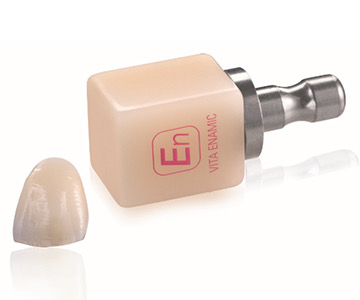
CEREC technology is based on three main processes. In the first stage, instead of taking traditional impressions, the dentist uses an intraoral scanner to capture a precise digital image. This method is not only more comfortable for the patient but also significantly more accurate and faster. The next stage involves digital design, where the scanned data is uploaded to a computer, and specialized software is used to create a DSD (Digital Smile Design). In the final stage, the fabricated restoration is fixed onto the patient’s tooth, and if necessary, adjusted to ensure maximum comfort and a natural appearance.
Advantages of CEREC Technology
CEREC technology offers numerous advantages. One of its key benefits is the reduced procedural time—while traditional methods of dental prosthetics require several weeks, this approach delivers final results in a single visit. Additionally, the integration of modern technologies eliminates human error, improving the precision and comfort of prosthetics. Furthermore, CEREC restorations closely resemble natural teeth and provide high aesthetic value. The materials used in this technology are biologically compatible, reducing the risk of allergic reactions and negative bodily responses. Moreover, CEREC allows dentists to preserve more natural tooth structure, which is beneficial for long-term patient health.
Applications of CEREC Technology
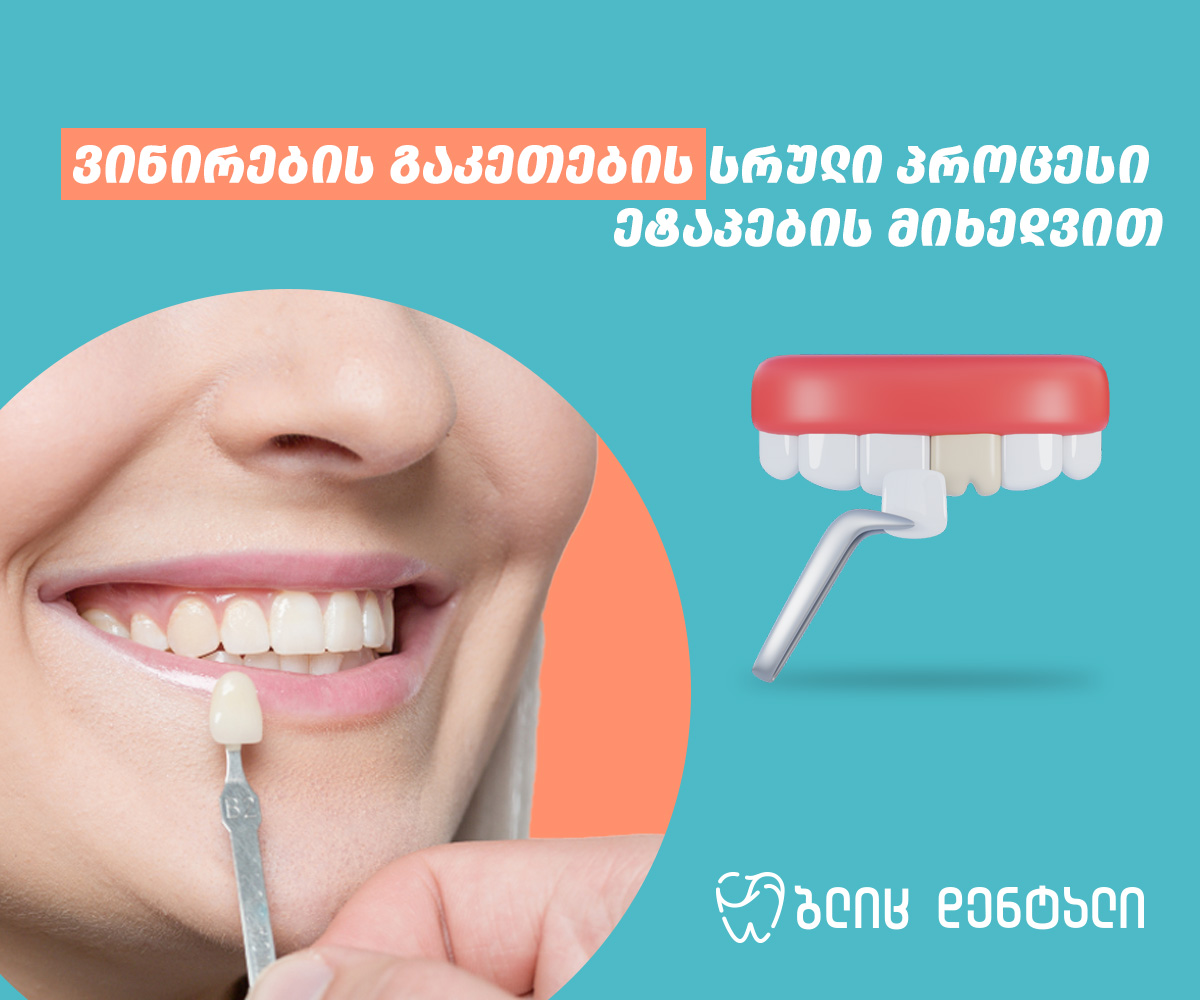
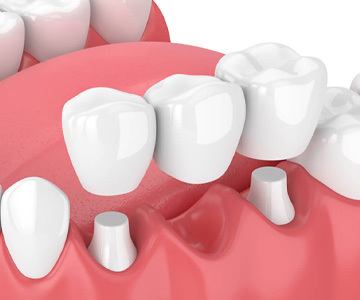
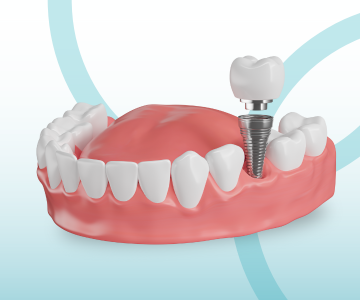
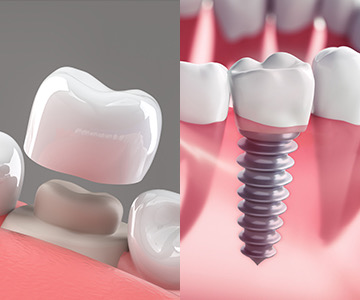
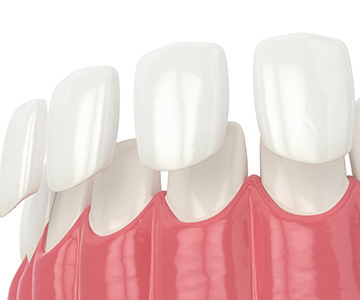
This technology is widely utilized in various dental procedures. It is commonly used for crown fabrication, one of the most effective methods for restoring damaged teeth. Additionally, CEREC technology is employed in the creation of veneers, which enhance dental aesthetics. It can also be used to manufacture inlays and onlays as alternatives to composite fillings. Furthermore, CEREC is actively applied in implantology, particularly for crafting the upper part of dental implants. These various applications make CEREC an indispensable tool in modern dentistry.
CEREC vs. Traditional Methods
CEREC technology significantly differs from traditional methods, particularly in terms of time efficiency. Traditional prosthetic methods may take several weeks to complete, whereas CEREC completes the process in a single visit. In terms of accuracy, CEREC is superior since digital scanning and computer-aided design eliminate errors that can occur during traditional impression-taking. Aesthetically, CEREC-fabricated ceramic restorations closely resemble natural teeth, whereas traditional prosthetics often use different materials that may be less aesthetically appealing. Additionally, CEREC restorations are biologically compatible, reducing the risk of allergic reactions and ensuring long-term durability.
CEREC Technology - The Future of Modern Dentistry
CEREC technology represents one of the most innovative achievements in the field of dentistry, combining high precision, comfort, and efficiency. With this technology, patients can receive high-quality ceramic restorations in just one visit, significantly reducing treatment time and discomfort. In Georgia's digital dentistry landscape, Blits Dental - Kakhaber Kharebava’s Clinic leads the way in offering this procedure. With the help of top-tier professionals and cutting-edge technology, the clinic guarantees patients a beautiful and aesthetic smile.