Periodontitis and Gingivitis – Key Differences and Prevention Methods
11 March 2025
The health of teeth and gum tissues is one of the most crucial aspects of dentistry, impacting not only oral hygiene but also overall well-being. Periodontitis and gingivitis are the two most common periodontal diseases, often mistaken for one another; however, they have significant differences. Timely diagnosis and treatment of both conditions are essential to prevent serious complications, including tooth loss.
Gingivitis – Early Signs and Symptoms
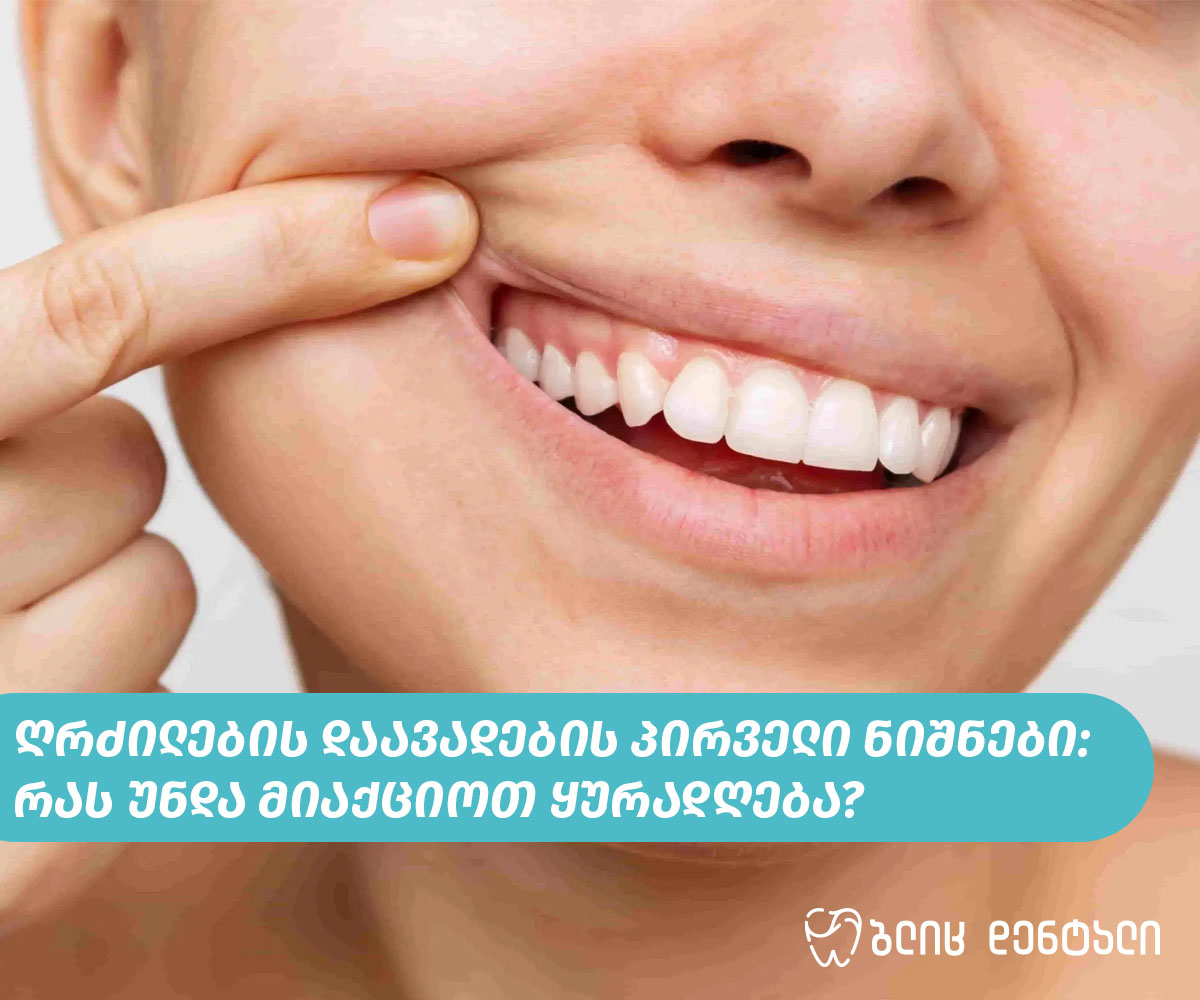
Gingivitis is an early-stage inflammation of the gums, primarily caused by the accumulation of bacterial plaque. Microbial deposits naturally form in the oral cavity, but if not removed in time, they lead to gum irritation. As a result, the gums become red, swollen, and may become highly sensitive.
One of the most common symptoms of gingivitis is gum bleeding, especially during brushing or eating. Bad breath, caused by bacterial spread, is also frequently observed. Additionally, increased gum sensitivity and mild pain may occur. However, it is important to note that gingivitis is a reversible process at this stage, and timely treatment facilitates complete recovery.
If left untreated, gingivitis can progress into a chronic inflammatory condition. Over time, the gums begin to recede, exposing the tooth roots, which may increase sensitivity to hot or cold foods. In some cases, even with these symptoms, individuals may not realize they are in the early stages of the disease. This highlights the importance of regular dental check-ups.
Periodontitis – Inflammation of the Supporting Tissues Around the Teeth
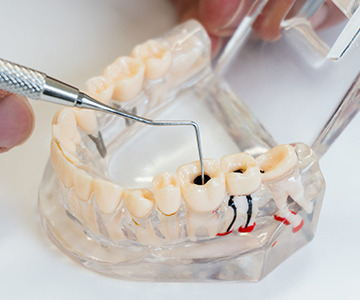
Periodontitis, a well-known dental condition, develops when gingivitis is left untreated. It affects the gums, bones, and periodontal ligaments, ultimately leading to tooth loosening and loss. Bacteria accumulate in deep pockets between the gums and teeth, facilitating the spread of infection. The symptoms of periodontitis are more pronounced than those of gingivitis. In addition to gum swelling and redness, pus formation around the gums may indicate the presence of infection. Periodontitis often results in tooth mobility, which, in severe cases, leads to tooth loss.
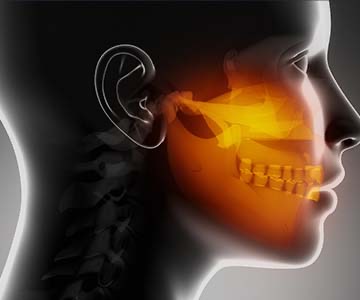
In advanced cases, the infection may spread to the jawbone, causing bone degradation. This process is irreversible and can only be treated through surgical intervention. If left untreated, beyond tooth loss, the infection can spread throughout the body and complicate conditions such as diabetes and cardiovascular diseases.
Prevention Methods for Periodontitis and Gingivitis
Both diseases can be prevented through proper oral hygiene and a healthy lifestyle. Regular tooth brushing with fluoride toothpaste helps eliminate plaque and bacteria. The use of dental floss is also essential, as it removes food debris and plaque from interdental spaces.
Routine visits to the dentist play a crucial role in disease prevention. Professional cleaning every six months helps remove plaque and tartar, reducing the risk of gingivitis and periodontitis. Additionally, a healthy diet rich in vitamins C and D supports gum health and lowers inflammation risk.
Smoking and excessive alcohol consumption significantly increase the risk of developing periodontitis and gingivitis. Tobacco reduces blood circulation in the gums, weakening the body’s ability to fight infections. Consequently, maintaining a healthy lifestyle is one of the most effective preventive measures.
The Impact of Oral Diseases on Overall Health
Recent studies confirm that periodontitis and gingivitis can affect overall health. Evidence shows that periodontal infections increase the risk of cardiovascular diseases, diabetes, respiratory infections, and osteoporosis. This is due to chronic inflammation, which influences the entire immune system.
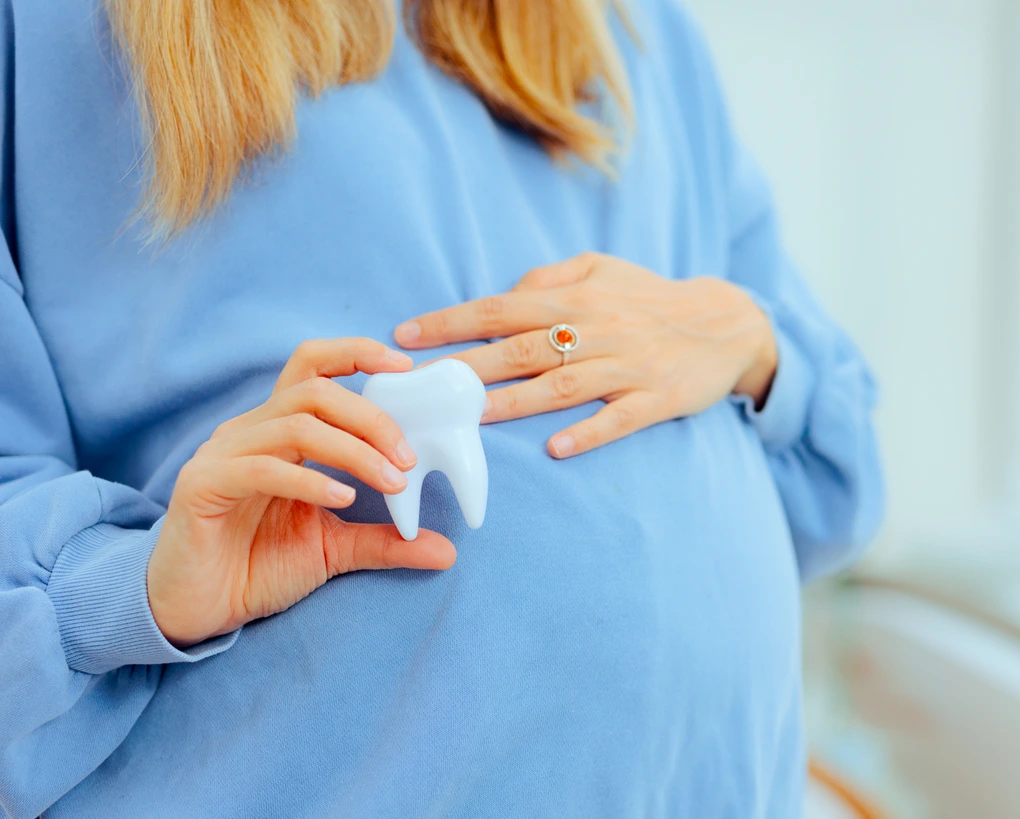
Periodontitis can be particularly dangerous during pregnancy. Research indicates that pregnant women with periodontitis are at higher risk of preterm birth and low birth weight infants. Therefore, expectant mothers should pay special attention to oral hygiene and visit a dentist as needed.
Conclusion
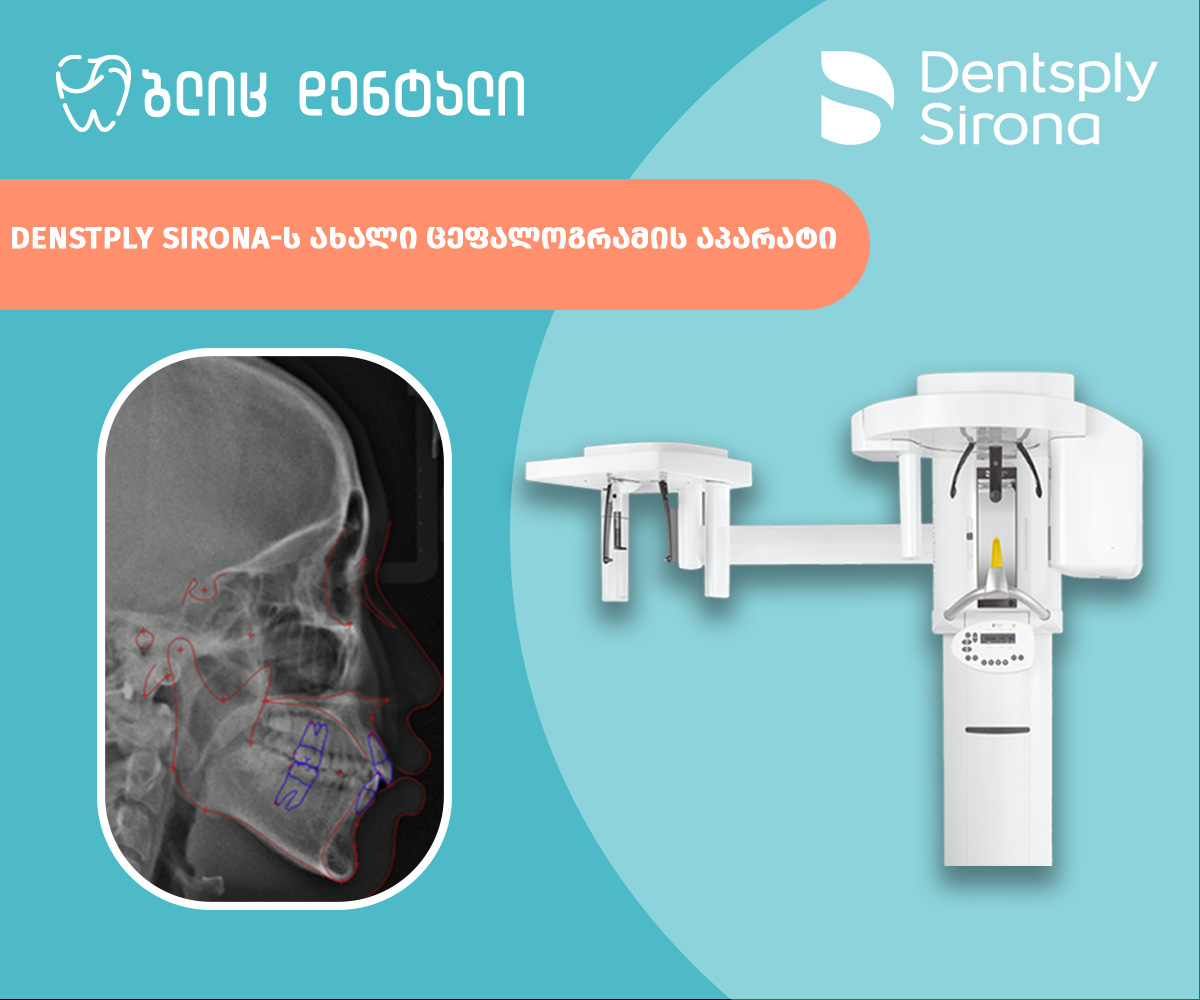
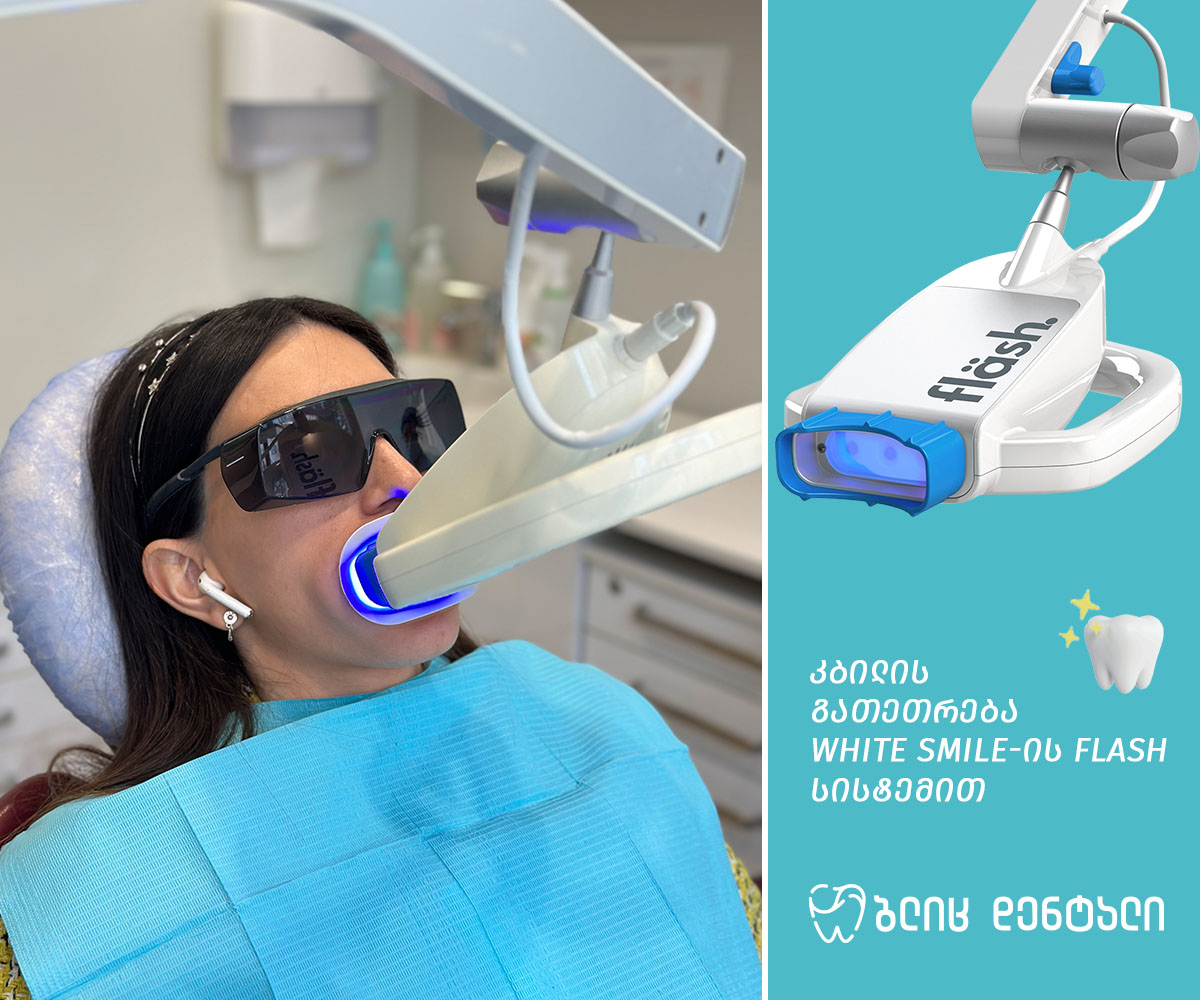
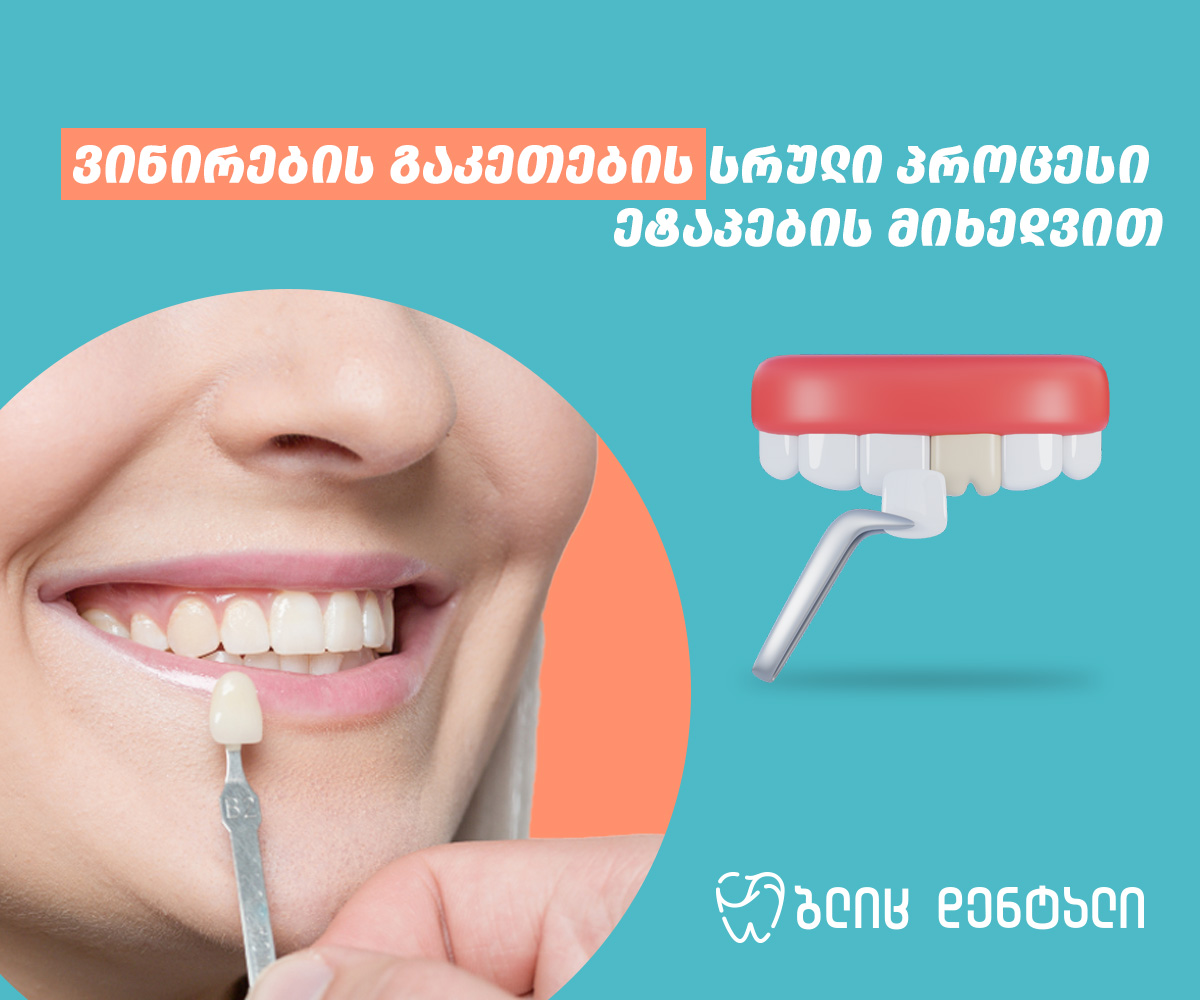
Gingivitis and periodontitis are serious conditions that require timely intervention. Preventing them is possible through proper oral hygiene, regular dental visits, and a healthy lifestyle. Ignoring treatment may lead to tooth loss and systemic health problems, significantly reducing the quality of life. In overcoming these issues, “ Blits Dental – Kakhaber Kharabava’s Clinic” offers professional assistance. With highly qualified specialists and state-of-the-art equipment, we provide comprehensive solutions to all oral health concerns. Remember, taking care of your gums not only preserves your teeth but also improves overall health. Our clinic is your trusted partner for a healthy and aesthetic smile.