How to Care for a Dental Implant? Post-Operative Advice and Guidelines
08 August 2025
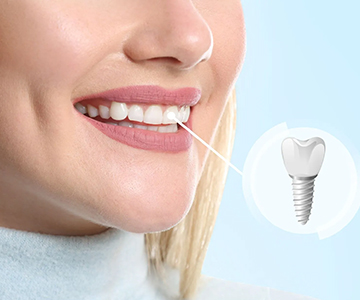
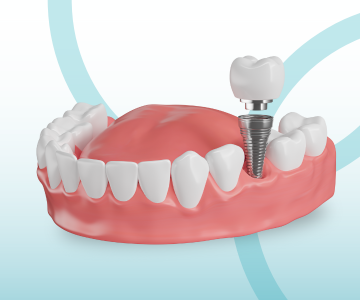
Dental implantation is one of the most effective and safest surgical procedures in modern dentistry for restoring missing teeth. However, a successful and lasting result depends not only on the surgeon’s professionalism, but also on proper post-operative care. The healing period following dental implant surgery is critical to avoid complications. During this time, the patient’s behavior and strict adherence to the dentist’s instructions ensure successful integration of the implant into the bone—known as osseointegration.
The First 24 Hours
During the first 24 hours after surgery, avoid consuming hot food and drinks. Alcohol and tobacco use are strictly prohibited, as they significantly slow down the healing process. On the day of the implant surgery, you should not brush your teeth. From the second day onward, you may carefully brush them, avoiding mechanical irritation of the surgical area.
The Following Days
Mild swelling and discomfort are common during the first few days after surgery. These are natural symptoms. Pain relievers and antibiotics prescribed by your doctor must be taken as instructed. It’s important not to discontinue antibiotics before completing the full course—even if you begin to feel better.
Oral hygiene is crucial. Continue brushing your teeth regularly. Initially, use a soft-bristled toothbrush and gently clean around the implant area. Based on your dentist’s recommendation, you may also use antiseptic mouth rinses to keep the surgical site clean and reduce the risk of infection.
Pay close attention to your diet. Avoid hard, overly hot, or cold foods. Instead, choose soft, warm meals that won’t irritate the healing wound.
Long-Term Care
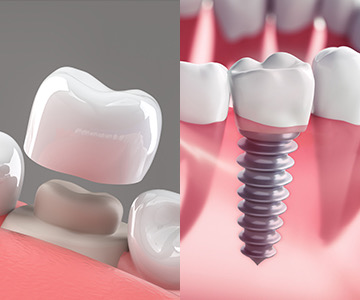
Once the implant has successfully integrated with the bone and the prosthetic stage is complete, long-term success depends on proper oral care. This includes brushing your teeth twice a day, daily use of dental floss and antiseptic rinses.
Regular dental checkups are also essential. At our clinic, we recommend visiting once or twice a year for professional cleaning and evaluation of the implant. This helps us detect any potential issues early and ensures the long-term, trouble-free function of your dental implant.
At Blits Dental – Kakhaber Kharebava’s Clinic, we offer exceptional care tailored to each individual. Our team of professionals is always ready to provide complete guidance and recommendations so that your new smile remains healthy, beautiful, and long-lasting.