Veneers are one of the most popular cosmetic dental treatments for those who want to improve the shape, color, and proportions of their teeth.
A successful veneer result begins with proper planning, communication between the dentist and patient, and a personalized design. That is why, before starting treatment, it is important to understand how the veneer process works step by step and what to expect at each stage.
What Are Veneers?
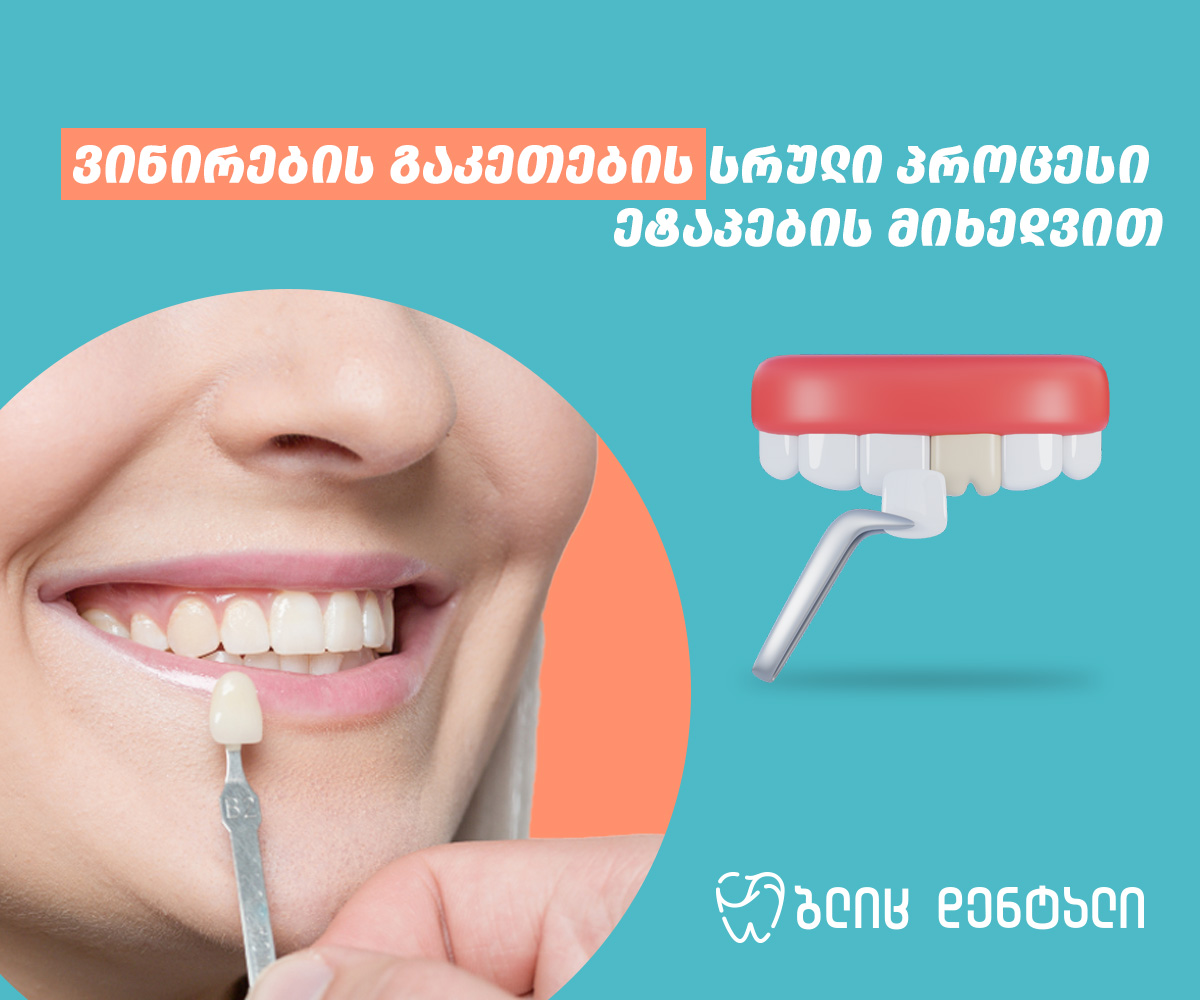
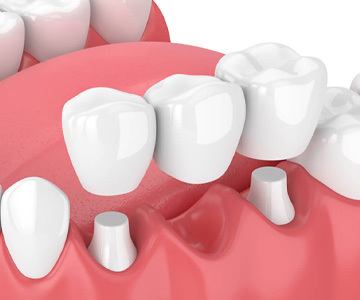
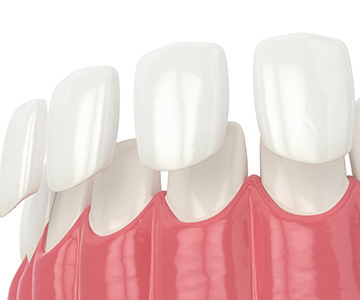
A veneer is a thin ceramic shell that is bonded to the front surface of a tooth, instantly changing its shape, color, size, and visual proportions.
Veneers may be recommended for aesthetic concerns such as:
- Tooth discoloration;
- Asymmetry in the shape or size of the teeth;
- Minor cracks or chipped edges;
- Small gaps between teeth;
- Tooth wear;
- Mild irregularities in tooth shape.
However, veneers are not the best solution for every patient or every case. That is why treatment begins with a comprehensive examination and consultation.
1. First Stage - Consultation and Diagnosis
The veneer process begins not with tooth preparation, but with a consultation with the dentist.
During the first visit, the dentist evaluates the condition of the teeth and gums, bite, tooth shape, size and proportions, the condition of existing restorations, tooth color, smile line, as well as the overall proportions of the face and lips.
At this stage, the dentist and patient discuss what the patient would like to change and what they want their final smile to look like.
If the oral cavity is healthy, treatment can be started and digital scans can be taken during the same visit. However, if cavities, gum disease, or other issues are identified, these problems must first be treated before beginning veneer treatment.
2. Digital Smile Design (DSD)
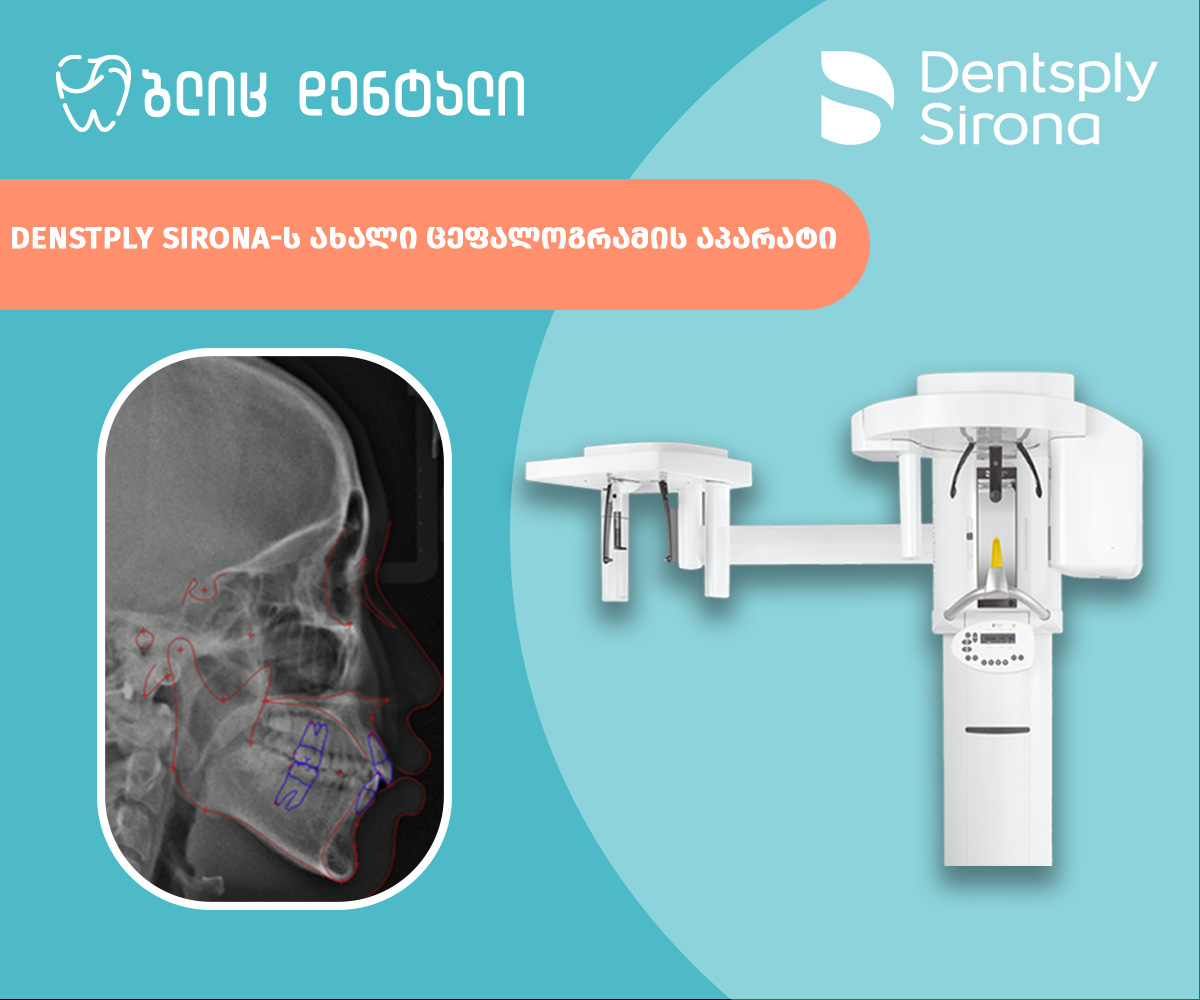
In modern dentistry, veneer planning is no longer based solely on the dentist’s visual assessment.
Using digital technologies, it is possible to plan the smile in advance and determine the future shape, size, and proportions of the teeth.
The digital protocol includes:
- Digital impressions;
- Photographic documentation;
- Recording the existing bite data.
Blits Dental’s digital dental laboratory makes it possible to create a new smile design in a very short time, fully tailored to the requirements of both the dentist and the patient.
3. Temporary Veneers and Wax-Up Technology
At Blits Dental, veneers are created according to an individualized planning approach, ensuring that the final result is as harmonious as possible with the patient’s facial features, smile, and personal preferences.
As part of this process, we use Wax-Up technology, which allows us to create a preliminary model of the future shape and proportions of the teeth.
The next step is the fabrication of temporary veneers, which the patient wears for one week. This gives them the opportunity to preview and evaluate their future smile.
If necessary, changes can be made before the final veneers are fabricated, ensuring that the result is natural, harmonious, and aligned with the patient’s expectations.
4. Final Veneer Placement
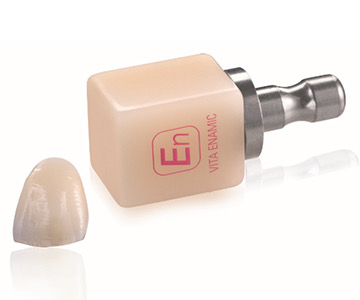
After wearing the temporary veneers, once both the dentist and patient are satisfied with the final design, the E-max ceramic veneers are bonded to the tooth surfaces using a special adhesive system and dental cement.
After placement, the dentist once again checks the fit of the veneers, the bite, and the overall result, making minor adjustments if necessary.
The ultimate goal is for the veneers to be not only aesthetically beautiful but also comfortable and natural-looking.
How Should You Care for Veneers?
Proper oral care is important for maintaining the long-term function and aesthetic appearance of your veneers.
Veneers do not require special care, but maintaining good daily oral hygiene is essential:
- Regular and proper tooth brushing;
- Daily cleaning of interdental spaces using a water flosser;
- Regular professional dental cleanings;
- Routine dental check-ups.
How Long Do Veneers Last?
The lifespan of veneers depends on the material, quality of fabrication, condition of the teeth, bite, and the patient’s oral hygiene and care.
With proper care, high-quality veneers can maintain their functional and aesthetic characteristics for many years.
However, veneers are not permanent restorations, and they may eventually need to be replaced.
Frequently Asked Questions About Veneers
Is getting veneers painful?
Local anesthesia can be used to ensure comfort during the procedure. The sensations and extent of the procedure depend on the individual case.
Can I get a veneer on just one tooth?
Yes. It is possible to place a veneer on a single tooth, for example, if it is chipped, discolored, or significantly different in shape from the neighboring teeth.
Can veneers be whitened?
No. Teeth whitening treatments affect natural teeth, while the color of existing veneers does not change through whitening. That is why choosing the desired shade in advance is important.
Do veneers look natural?
Properly planned and fabricated veneers can look very natural. The final result is influenced by their shape, color, translucency, surface texture, and the individual proportions of the teeth.
How many visits are required?
The number of visits depends on the individual clinical case, type of veneers, and planned treatment. The exact timeline can only be determined after a consultation.
At Blits Dental, our qualified dentists will provide you with a professional consultation, answer all your questions in detail, and help develop a personalized treatment plan tailored to your needs.
To book a consultation, contact us at (+995) 32 222 15 16 or book an appointment online.