Root Canal Treatment: Myths and Reality
25 July 2025
Root canal treatment, also known as endodontic therapy, is one of the most frequently discussed yet often misunderstood dental procedures. Despite being a painless and highly effective treatment thanks to modern technologies, many myths still circulate about it, causing fear and distrust among patients. Let’s compare the most common myths with the facts to better understand what really happens inside a tooth when it needs treatment.
What is Root Canal Treatment and Why Is It Necessary?
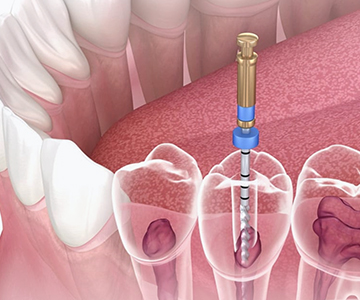
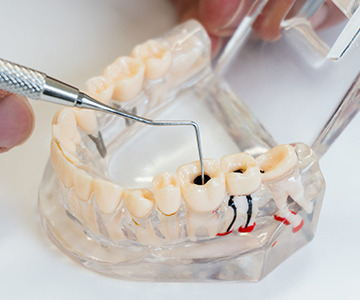
Inside every tooth lies soft tissue called the pulp, which contains nerves, blood vessels, and connective tissue. The pulp nourishes the tooth and gives it sensitivity. When deep decay or trauma allows bacteria to reach the pulp, it becomes inflamed, often causing intense pain. If left untreated, the infection can spread to the root tip and surrounding bone, leading to bone damage or abscess formation.
The goal of root canal treatment is to remove the infected pulp, thoroughly clean the canals, and seal them. This is the only way to avoid tooth extraction and restore the tooth’s function.
Myths and Reality: Why You Shouldn’t Fear Root Canal Treatment
Myth 1: Root canal treatment is very painful.
Reality: This is the most widespread myth. The pain is actually caused by the inflammation, not the procedure itself. With modern local anesthesia, the treatment is completely painless. In fact, root canal therapy is a way to relieve pain. Most patients feel immediate relief once the infected tissue is removed.
Myth 2: It’s better to extract the tooth than treat it.
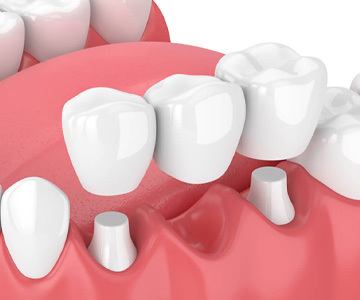
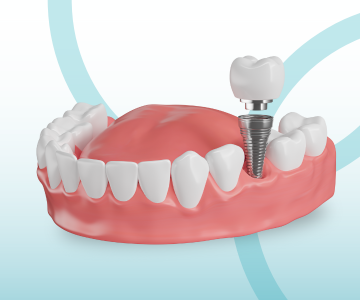
Reality: No artificial tooth can fully replace a natural one. Preserving your natural tooth is always the best option. Tooth extraction can lead to bone loss and shifting of neighboring teeth. After a successful root canal, the tooth retains its function and appearance, helping you avoid more complex and expensive procedures like implants or bridges.
Myth 3: A tooth won’t last long after root canal treatment.
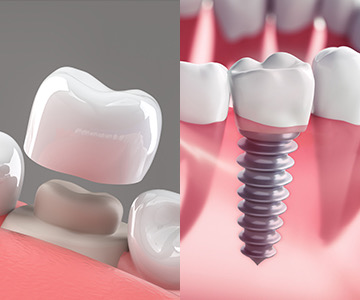
Reality: If done properly, a root canal-treated tooth can last a lifetime. Success depends on the dentist’s expertise, use of modern technologies, and—most importantly—proper restoration after treatment. Since the tooth becomes more fragile after the nerve is removed, it must be reinforced with a crown or large restoration to protect it from fracture.
Myth 4: Root canal treatment requires multiple visits.
Reality: The number of visits depends on the severity of the infection and the tooth’s anatomy. In many cases, if the infection is not too extensive, treatment can be completed in a single visit. However, more complex cases may require multiple sessions to fully eliminate the inflammation and disinfect the canals. Your dentist will determine this individually based on your condition.
How Is the Procedure Done Today?
Modern root canal treatment is performed under a microscope. This innovation allows us to see the tooth’s internal structures at high magnification, ensuring maximum precision and quality. Even the narrowest or most curved canals can be detected, significantly reducing the risk of failure.
Why Choose Blits Dental – Kakhaber Kharebava Clinic?
At Blits Dental, we care deeply about your health and comfort. Root canal treatments are performed using high-precision microscopes and advanced tools, making the procedure completely painless and effective. Our goal is not just to eliminate infection but to save your tooth and fully restore its function.
Don’t be afraid of the procedure—trust us, and we’ll help you bring back your healthy smile.