Wisdom teeth - when and why we have to remove them.
01 April 2022
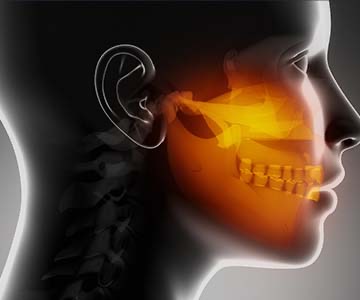
The "wisdom tooth" is the last, 8th tooth in the teeth row. They erupt later than other teeth - around the age of 17-25 (when the process of human physical formation is nearly complete). According to physiological norms, in basic cases, wisdom teeth should be cut by the age of 25, but often, due to various genetic factors, a person has only a part of wisdom teeth cut out or they do not erupt at all. Wisdom teeth are usually dysfunctional and practically do not participate in the chewing process.
The evolution of human and our development have led us to a reduction of the size of the jaw bones, and consequently, in the “modern” oral cavity, there is no longer enough space for development and growth for "wisdom teeth" -. This is why wisdom teeth mostly remain in the jaw bone or in some cases are only partially cut out. This process damages the tissues around the tooth and causes them to become inflamed. Pericoronitis - Inflammation of the soft tissues (gums) around the tooth is characterized by severe pain and restriction of movement of the jaw bone (opening - closing).
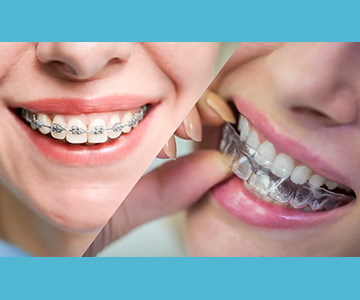
There are frequent cases when due to the small size of the oral cavity, the cutting of the wisdom teeth may cause the disruption of the teeth row. That's why orthodontists advise to remove wisdom teeth for patients who want to have their teeth straightened with braces.
Wisdom teeth are difficult to access during daily care of the oral cavity, therefore it is a big problem to follow the general norms of hygiene and clean them. Even after using a toothbrush, food debris remains in the 8th tooth zone, which promotes the growth of bacteria. These cases have a high risk of caries, periodontitis and bone damage.
When should we consult with a doctor?
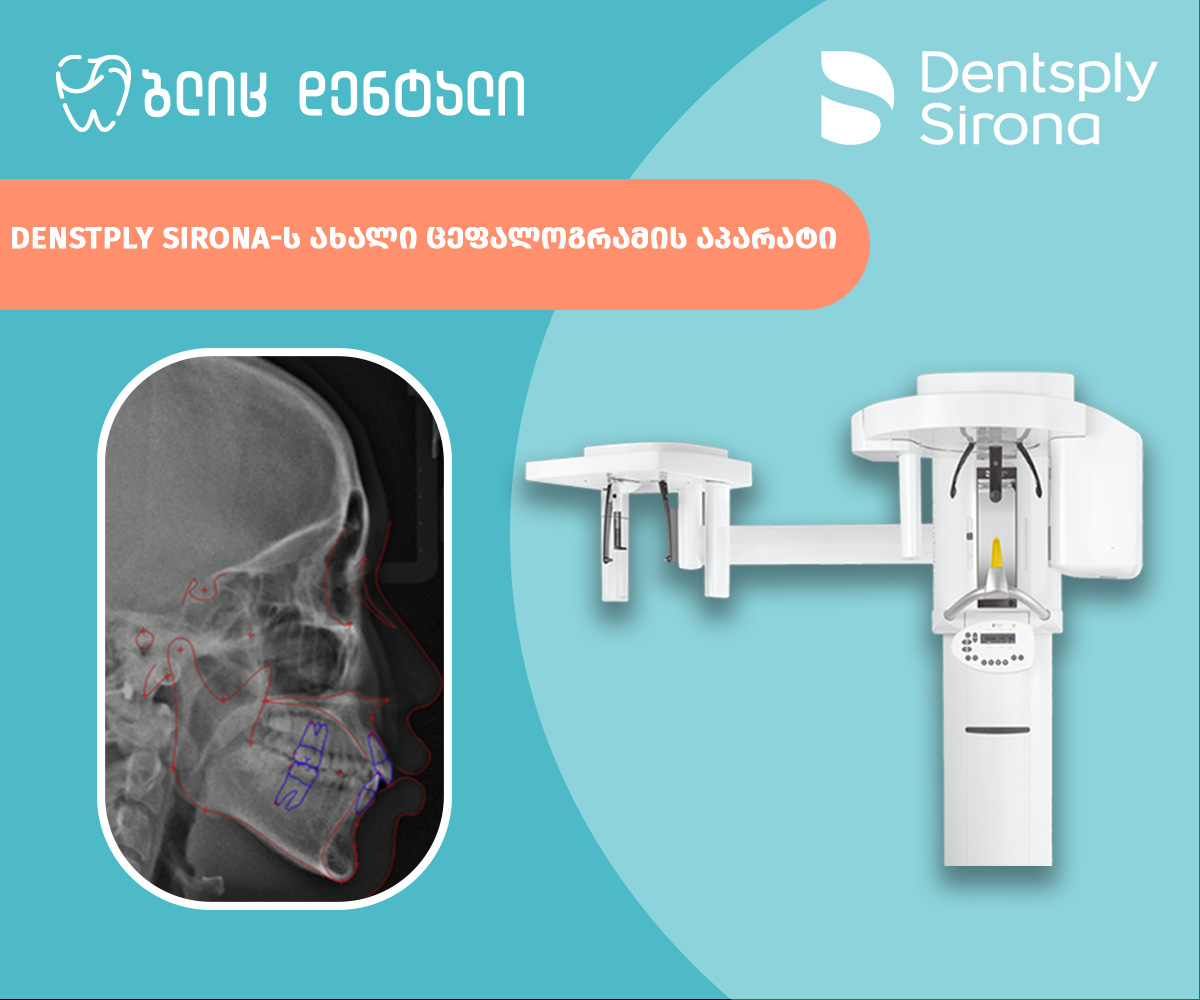
You should consult a doctor if you experience severe pain or discomfort due to wisdom teeth. Your doctor will examine your teeth and, if necessary, will advise you on removing them. In the first stage, an X-ray examination is important, which will allow the doctor to see more clearly the condition and location of the tooth. "Blits Dental - Kakhaber Kharebava Clinic" recommends that in case of wisdom tooth problems, consult a dentist immediately and do not wait for a scheduled visit.
Reasons for removing wisdom teeth.
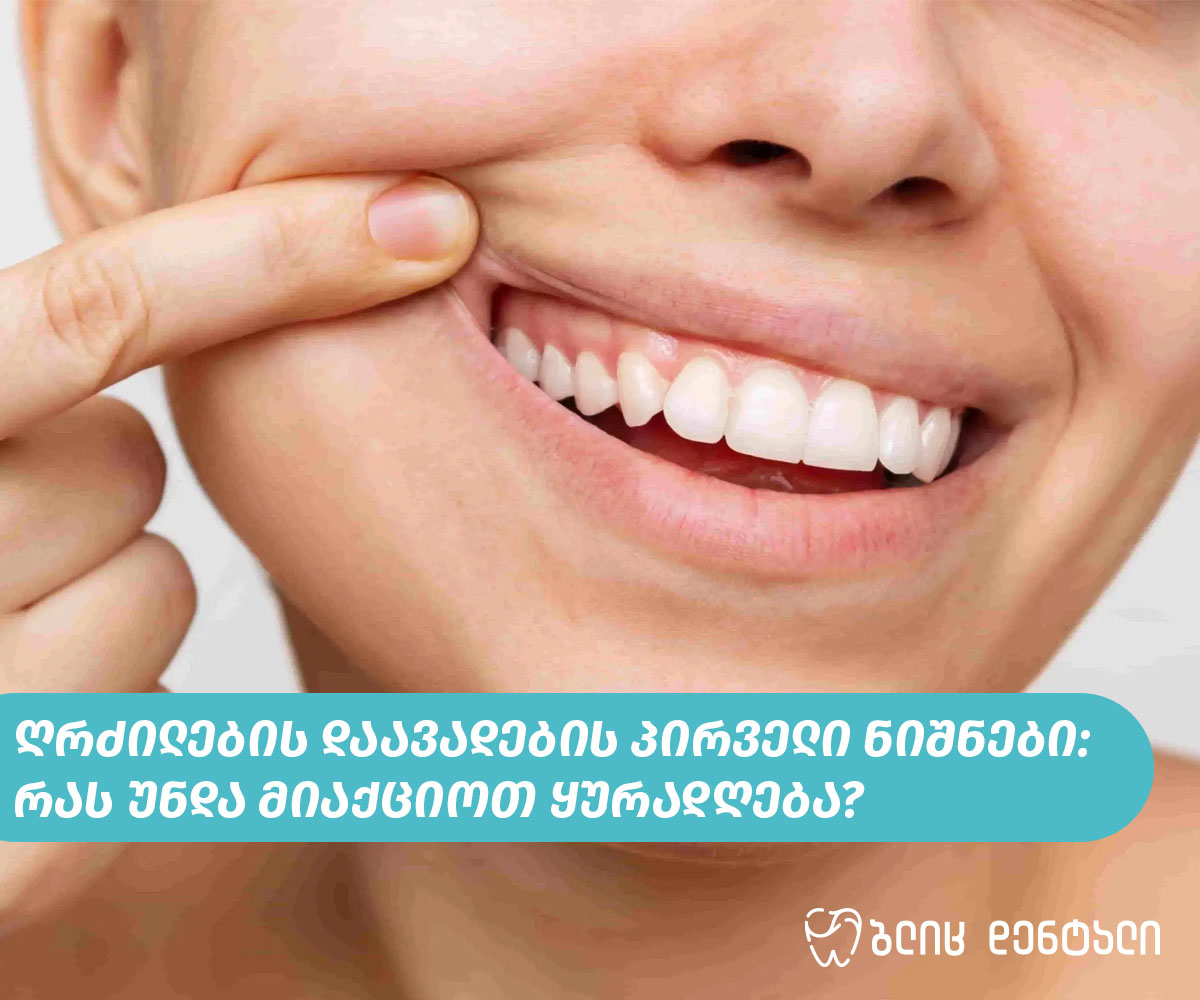
Sometimes wisdom teeth that have not been completely cuted out from the gums, or have come out incorrectly can cause dental problems:
- Caries - This occurs when dental plaque begins to damage the tooth surface. When tooth decay grows more, it causes a dent in the tooth, which can affect other teeth as well;
- Gum disease - also known as gingivitis or periodontal disease. At this time the plaque begins to release toxins, which irritate the gums, causing the gums to become red, swollen and painful. Gum disease can also affect other teeth and the bone below the tooth;
- Pericoronitis - when plaque causes infection of the soft tissue around the tooth;
- Abscess - when pus resulting from a bacterial infection accumulates in the wisdom tooth or in the surrounding tissue;
- Cysts and Tumors - Very rarely, a wisdom tooth that fails to cut the gum can lead to the formation of a cyst (a small fluid-filled ventricle).
Most of these problems can be treated with antibiotics, but the only recommended method when other treatments do not work is to remove the wisdom tooth.
How a wisdom tooth is removed?
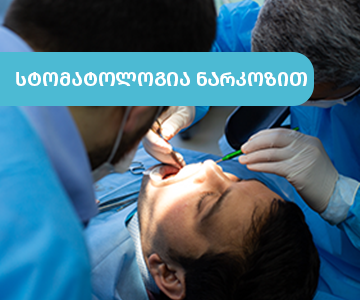
Wisdom teeth can be removed by the dentist himself or by a maxillofacial surgeon. Local anesthesia is done before the procedure. Prior to removal, the patient feels pressure when the doctor moves the tooth back and forth to expand the fossa. In some cases it is necessary to make an incision in the gum and cut the tooth into small pieces and then remove it. The procedure time is variable and it can last from 10 to 60 minutes.
Swelling may develop after the wisdom tooth is removed. The patient feels discomfort both inside and outside the mouth. These symptoms usually disappear within three days.