02 October
To book a visit, sign up for a consultation. To clarify the details, our operator will contact you.
13 December 2021
Your child’s oral health is just as important as any other aspect of their physical development. Their teeth are meant to last a lifetime and with proper care, a balanced diet and regular dental visits, children can have a lifetime of healthy smiles.
Prevention and education are key to a lifetime of healthy smiles. The American Academy of Pediatric Dentistry recommends that children make their first visit to the dentist before their first birthday or six months after they get their first tooth.
When it comes to young patients, the main goal of our clinic team is to make each child's first visit to the dentist full of calm, fun and positive experiences. The sooner children begin regular dental visits, the better their chances are for a lifetime of healthy smiles. These early checkups are the best way to prevent tooth decay and cavities. When children have healthy teeth, they can chew food easily, learn to speak clearly and smile with confidence.
Children need to feel comfortable and safe in their surroundings, especially new places. Beginning visits early helps kids get used to the dentist’s office, sounds and smells. Our goal is to make coming to the dentist a fun experience. You can expect smiling faces and a welcoming atmosphere from the moment your child walks through the door.
2. Develop healthy dental habits
It’ s important for the child to start learning oral hygiene habits as soon as possible. A regular visit to the dentist will help them understand how to use a toothbrush and floss, as well as what caries is and how it can be prevented. Useful oral care habits, formed at an early age, will follow your little one throughout life.
3. Prevention of dental problems
Children’s teeth are highly susceptible to tooth decay. Early and regular pediatric dental care can help prevent tooth and gum decay. Detecting cavities in baby teeth is absolutely critical, as a lack of care could lead to even more severe tooth issues in the future. Dental visits that begin early in a child’s life increase our chances of detecting any developing dental problems early. The child, at an early stage of development, may need to take action, which includes sealing procedures (same as tooth sealing). With the timely help of a dentist, problems with the orthodontic function may be detected and treated, which will reduce the duration and cost of further orthodontic treatment.
4. Parental support and education
The most essential part of children’s dental care is what happens every day at home. We can serve as your dental “coaches” to help you get on the right track with daily brushing and flossing, as well as give you helpful tips about healthy nutrition and what to do in emergency situations. A dentist can also help with other problems linked to oral cavity, such as problems with the removal of baby teeth, thumb sucking in little ones (which can later lead to orthodontic problems), or problems with cleaning teeth (flossing and brushing).
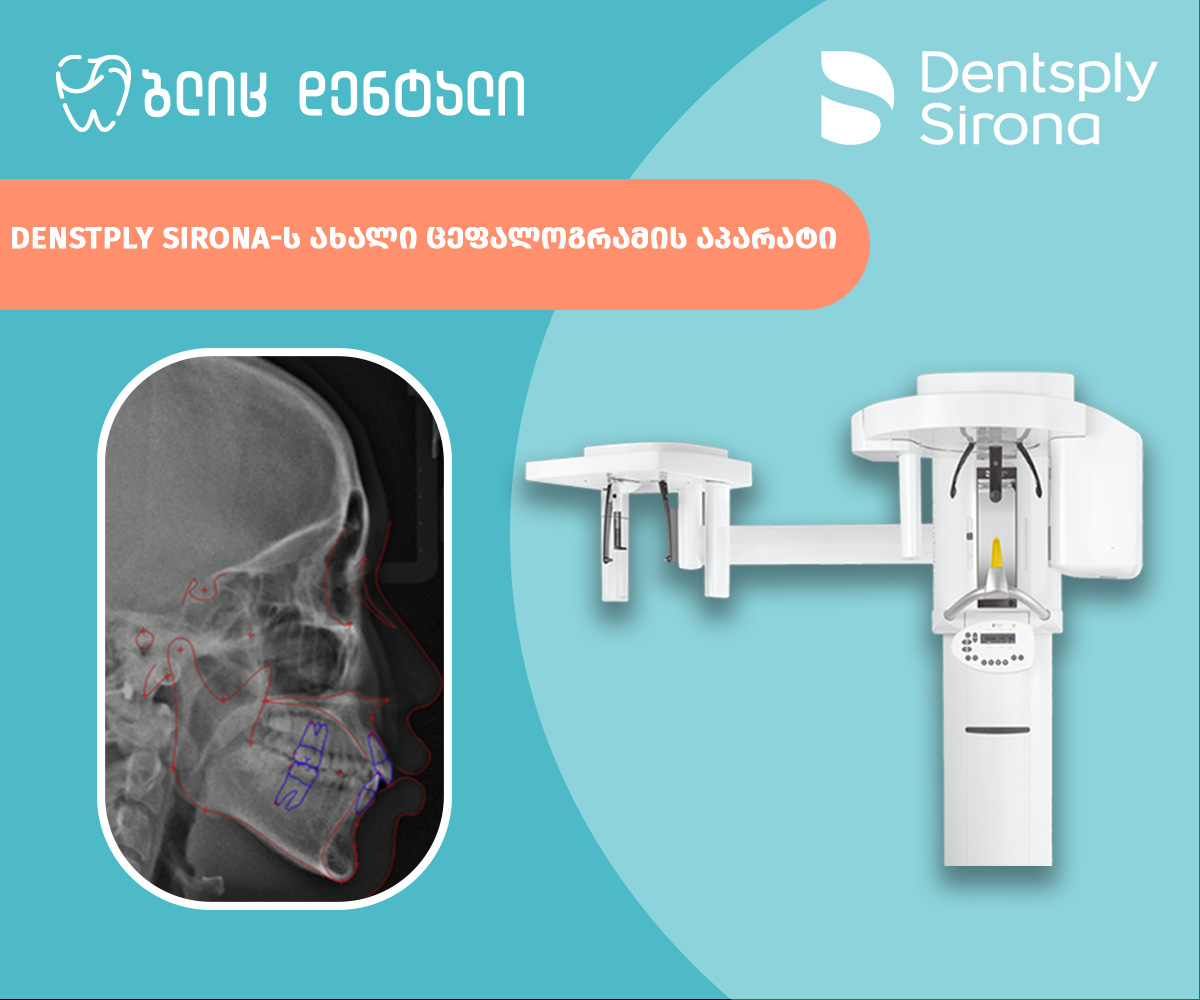
https://blitsdental.com/en/visit/consultation/blogOrthodontic treatment is not limited to straightening teeth. To achieve a beautiful, functional smile, an orthodontist needs to assess the relationship between the teeth, the upper and lower jaws, the skeletal structures of the face, and the surrounding soft tissues.


Braces are one of the most common orthodontic methods for straightening teeth and correcting bite alignment. Modern braces differ in terms of materials, appearance, and the way they work. But how do you choose the right system for you, and how long does the treatment take?
If you are planning dental treatment, summer is one of the best times for it. During the vacation season, scheduling dentist appointments is easier, allowing you to complete your treatment comfortably and on time.
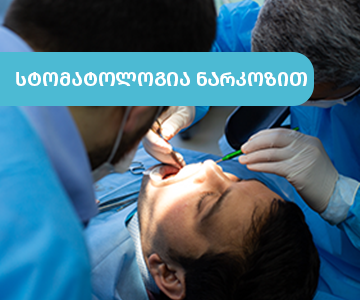
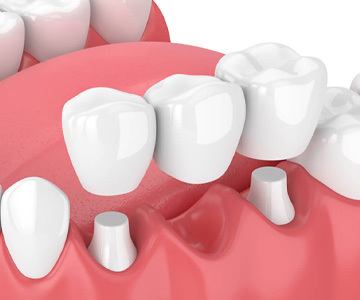
Treatment of edentulism (missing teeth) with a dental bridge is one of the most common and effective methods. A dental bridge allows for the restoration of both chewing function and smile aesthetics. It is a fixed prosthetic construction that is supported by healthy adjacent teeth and fills the space of a missing tooth. In this article, we will discuss what a dental bridge is, the types available, and how the placement process is carried out.
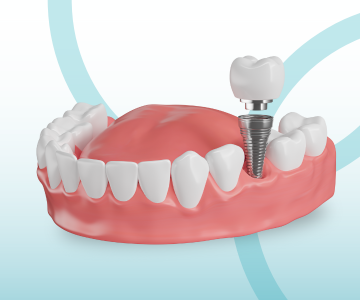
Missing teeth are no longer a problem! Dental implants offer the most advanced, durable, and natural-looking solution for restoring your smile. An implant, together with its crown, mimics a real tooth both aesthetically and functionally-helping you regain confidence, comfort, and a complete smile.

During pregnancy, hormonal changes can cause gum inflammation, bleeding, enamel erosion, and an increased risk of cavities. That’s why visiting the dentist during pregnancy is especially important.
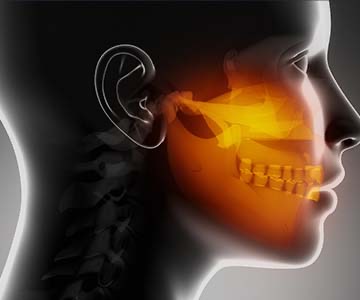
Gnathology is one of the leading branches of 21st-century dentistry. It forms the foundation for any complex dental treatment planning
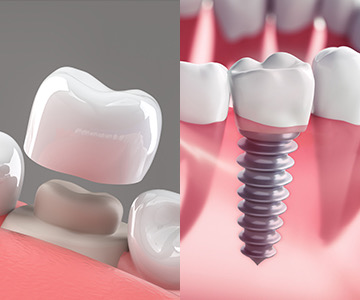
Tooth loss (edentulism) affects not only the appearance of your smile but also the overall functional health of your oral cavity
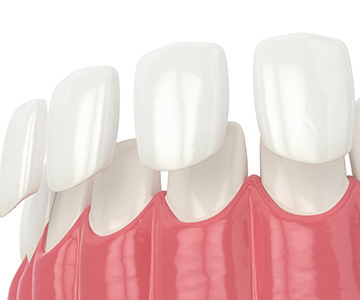
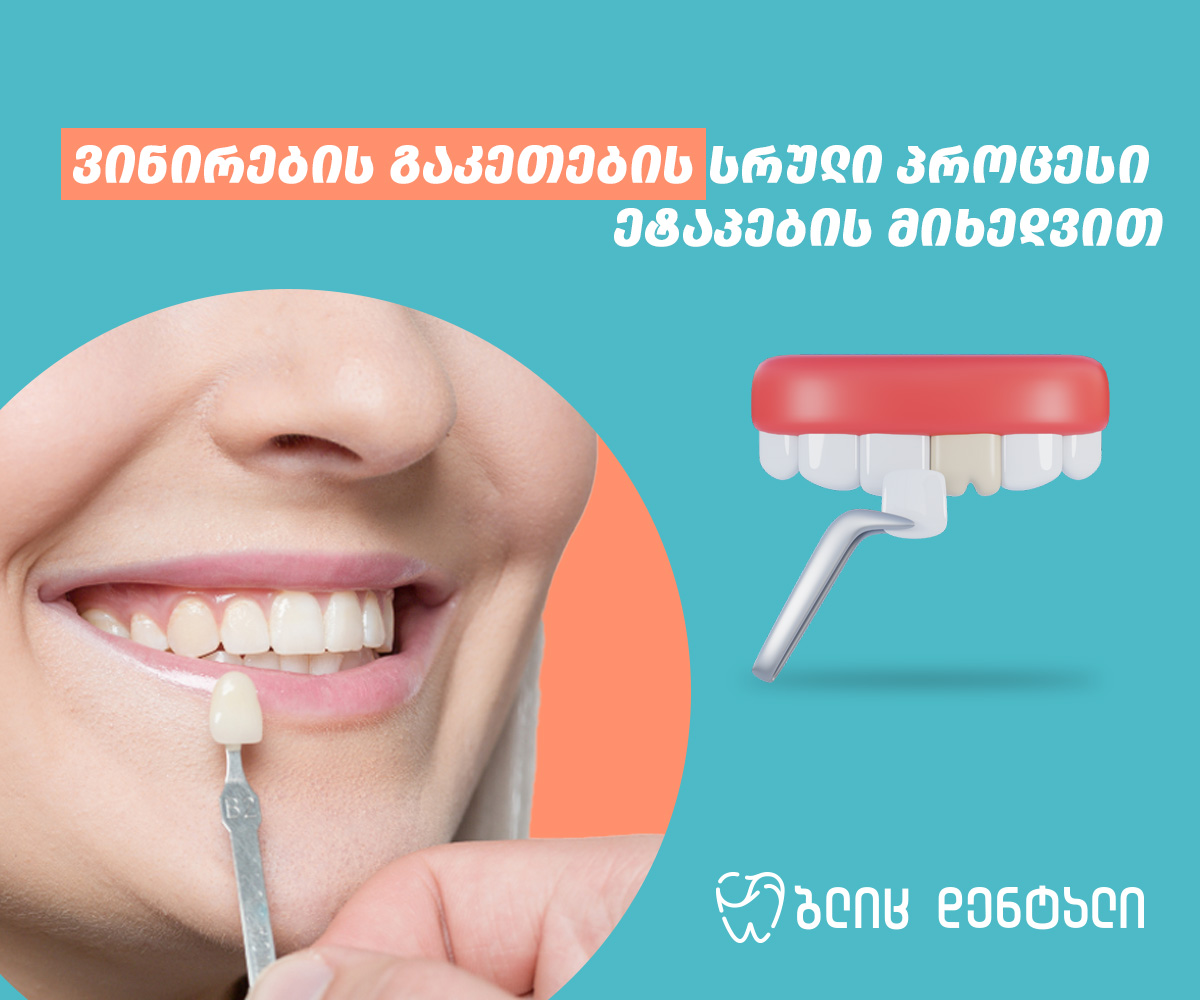
Dental veneers can be made from various materials, but ceramic (porcelain) veneers are the most widely used.
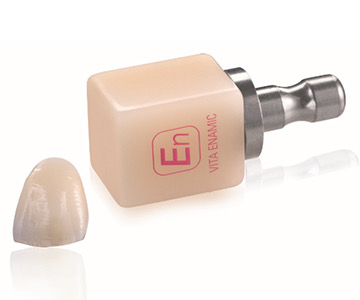
Modern aesthetic and functional dentistry is continually evolving, striving to identify restorative materials that combine exceptional strength

The eruption of baby teeth is one of the most important stages in a child’s early development.
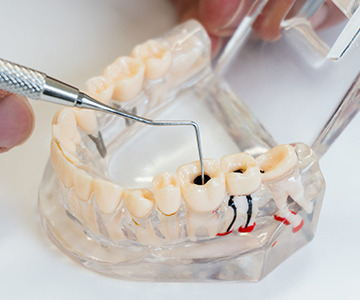
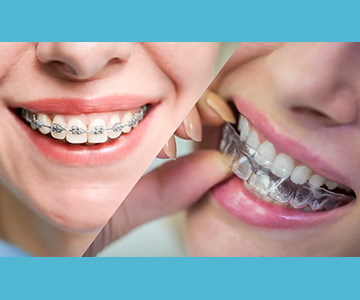
Modern dentistry increasingly emphasizes the importance of orthodontic care.

Oral health care begins long before the first permanent tooth erupts.
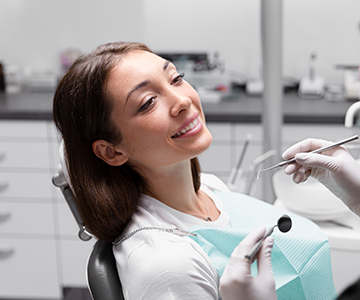
A smile is one of the key elements of a person’s visual identity. It conveys confidence and positivity. However, the beauty of a smile is not only an aesthetic factor—it is directly connected to oral health.