All About Veneers
11 April 2024
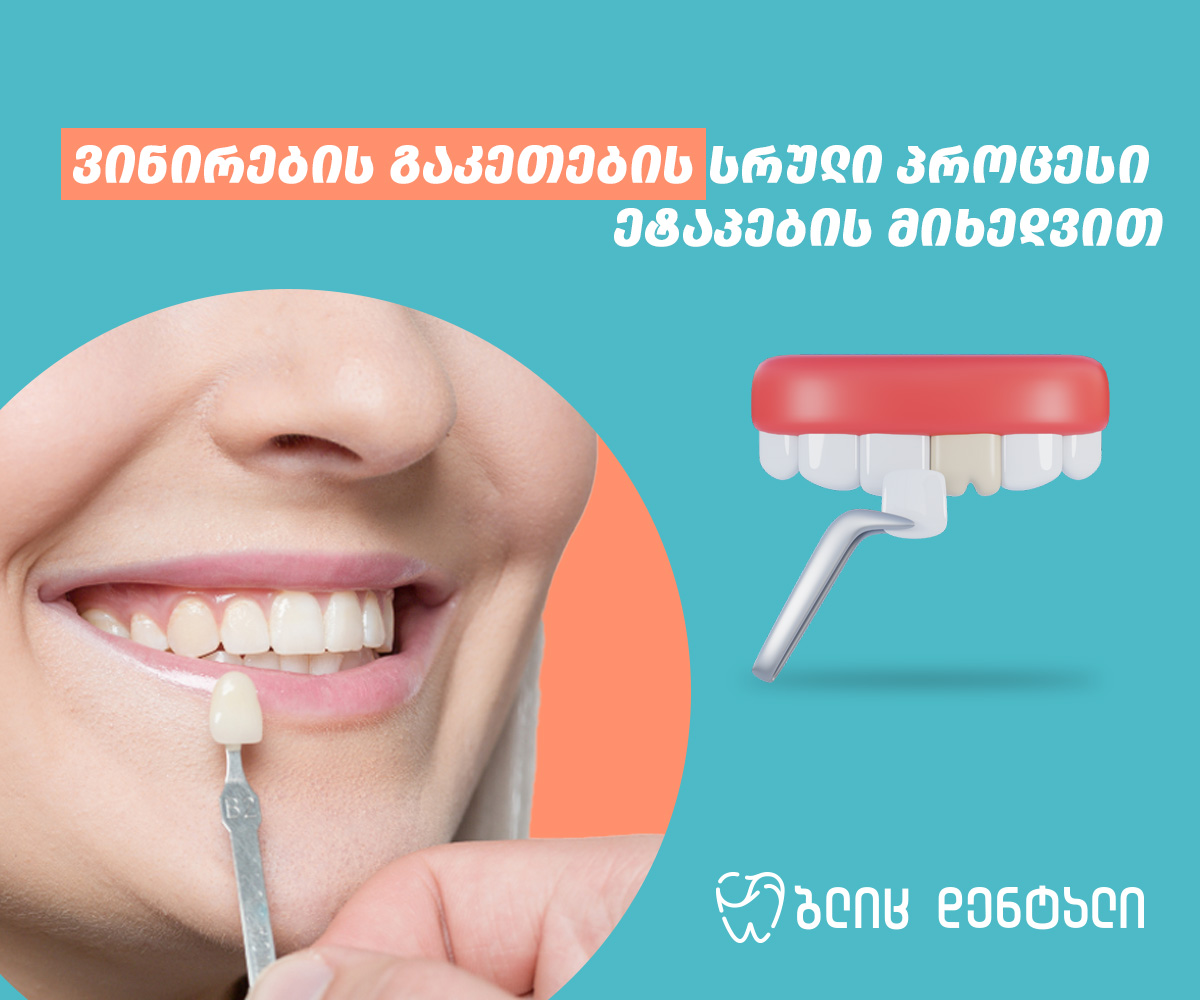
Veneering is one of the most popular and modern methods in aesthetic dentistry, through which it is possible to correct the shape, size and color of the tooth. There is a widespread belief in society that when a veneer is attached to a tooth, the patient's natural tooth is damaged, which then directly leads to tooth loss. This view is wrong. Veneering is a less invasive method, during which the patient's natural teeth are minimally damaged. The quality of veneer fixation depends on the material of the veneer as well as the condition of the teeth and the professionalism of the doctor. During the veneering procedure, an experienced dentist will maintain not only the health of your natural teeth, but also the symmetry between the facial features and the veneers. Today, our team wants to talk to you about veneering and related nuances that we must know.
Why Choose Veneers?
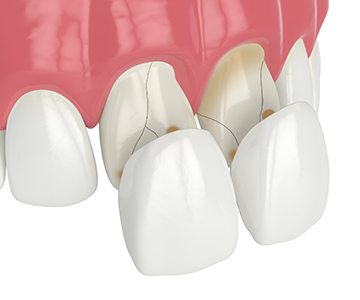
The rhythm of modern human life is quite stressful, often we do not have enough time to devote a lot of time to proper oral care at home. Over time, the outer surface of our teeth (enamel coating) is affected by many harmful factors. As a result, dark spots (discoloritis), cracks, chips and caries appear on the teeth. Studies conducted by leading European universities confirm that almost a third of the adult population worldwide suffers from stains and cracks on the tooth surface. Due to the frequent consumption of dark-colored foods (tea, coffee, etc.) and wear of the enamel coating, our teeth lose their natural, pearly luster and change color. Patients who have congenital or acquired defects and do not like their smile, today can quickly achieve the desired result with simple dental manipulations. Today, one of the most requested aesthetic procedures to eliminate these problems is ceramic (porcelain) veneer.
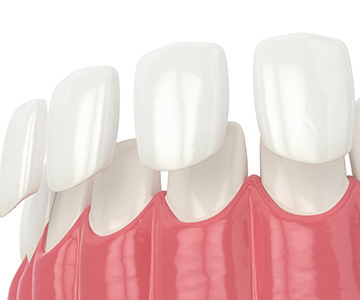
Dental veneers are made of different materials and are mainly used for orthopedic purposes. Ceramic veneers are thin plates of porcelain that stick to the outside of the tooth, their thickness is on average 0.3-0.5 millimeters. Fixation of ceramic veneers is possible from the age of 18, for all patients who want to correct a defect directly on the teeth or treat anomalies in the dental arch. The process of preparation for direct fixation of ceramic (porcelain) veneers involves examination of the patient's mouth by an orthopedist using an intraoral scanner and a photo protocol. At this time, a virtual 3D model of the patient's jaw-dental system is created. The use of a computer program (3D modeling of veneers) gives the patient the opportunity to make changes in the shape, color or size of the teeth and to better perceive the result of the orthopedic procedure, which is obtained after the fixation of ceramic (porcelain) veneers.
How To Care For Veneers?
The care of ceramic veneers does not differ significantly from the usual oral hygiene, although the first few days are recommended:
- Limit smoking and eating foods that can cause tooth staining.
- Avoid horizontal loading, which involves tearing or biting hard food with the front teeth.
- Avoid using abrasive toothpaste.
- Visit the dentist every 6 months for a cleaning and routine check-up. Regular check-ups will ensure that your veneers are always in perfect condition and add more confidence to your smile.
- As for highly acidic products such as citrus fruits, wine, etc. Quality ceramic veneer is absolutely resistant to them.
Experienced and qualified doctors of "Blits Dental - Kakhaber Kharebava Dental Clinic" (Vera, Kuchishvili Street N 11) will help you maintain oral health and with a little cosmetic intervention, say goodbye to problems related to an unaesthetic smile forever. In our clinic, they will answer all your questions and help you get the desired result as quickly and comfortably as possible and enjoy a charming Hollywood smile.
To get detailed information and plan procedures, book a consultation or call us at (+995) 322 22 15 16