10 Benefits of dental implants
15 December 2021
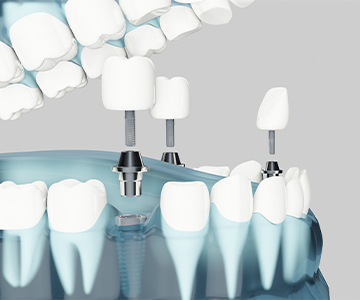
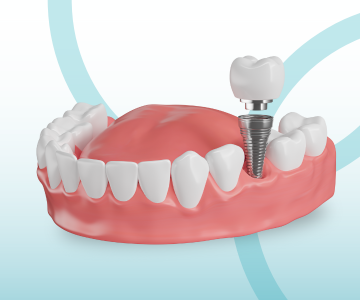
Dental implants are artificial tooth roots that provide a permanent base for fixed, replacement teeth.
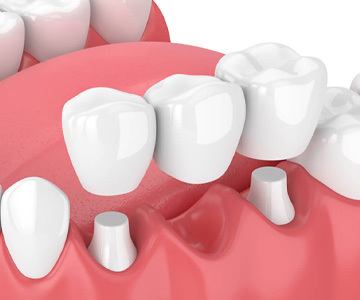
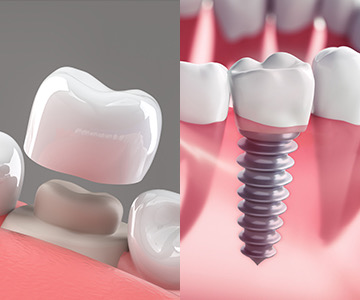
While there are a few options for filling in the space left behind after a tooth is extracted, dental implants remain the most innovative solution for missing teeth. A dental implant consists of a post that is embedded into the jawbone and a crown portion which is the part that looks like a tooth and sits at the gum line. Once they’re secured in place, it’s very hard to tell the difference between them and natural teeth.
Here are ten amazing benefits of dental implants to help you decide if they’re right for you.
1. Dental implants Look Like Natural Teeth
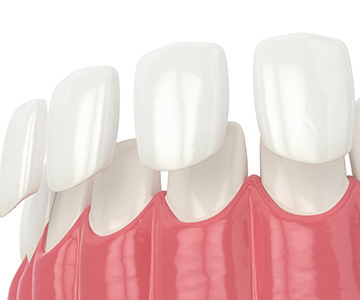
One of the top benefits of dental implants is that they look exactly like natural teeth and blend into patient's oral cavity. Due to the characteristic color of dental implants and the gloss, that is close to natural tooth enamel, when you smile and talk, it’s impossible for anyone looking at them to tell that they’re artificial.
2. Dental Implants Feel Like Natural Teeth
Dental implants feel remarkably like natural teeth. In fact, you can’t even feel the post in your jawbone. And when you glide your tongue over a dental implant’s crown portion, it feels as smooth as your natural teeth.
3. Dental implants Function Like Natural Teeth
Dental implants allow you to chew food, speak clearly, and smile wide, just like your natural teeth can. You can bite into your favorite food and enjoy eating meals.
4. Dental Implants Prevent Other Teeth From Shifting
When a tooth has to be extracted, the surrounding teeth often pay the price as they move and shift out of place. This can lead to additional dental work later on. A dental implant provides the same support that the missing tooth did, so teeth on either side of it and above it won’t shift.
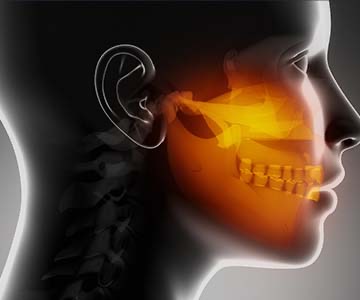
Dental implants also help preserve the bone in your jaw, because once a tooth is pulled the bone that surrounded it starts to shrink away. Getting a dental implant done soon after a tooth is removed helps preserve the jawbone.
5. Dental Implants Help You Chew Better
Missing teeth can make it difficult to chew and enjoy food and can make you favor chewing on one side of your mouth more than the other. Over time, this can weaken the muscles in the mouth area and cause your smile and the way you speak to look asymmetrical. Dental implants help you comfortably chew food using both sides of your mouth and retain even muscle strength for a symmetrical smile.
6. Dental Implants Boost Your Confidence
Nothing can hurt one’s self-esteem more than a poor smile, or one that is visibly missing teeth. Dental implants can greatly improve one’s confidence in all areas of their life so they feel ready to take on the world.
7. Dental Implants Can’t Get Cavities
The dental implant care process is quite simple and very similar to the rules of natural tooth care, but
because dental implants aren’t made of natural tooth material, they can’t get tooth decay. You’ll never need to worry about needing a filling or any other kind of dental work for one.
8. Dental Implants Don’t Stain Easily
Dental implants tend not to get stained like natural teeth do. Because they’re made from an artificial material, they’re more resistant to stain-causing foods and drinks such as red wine, coffee, blueberries, and more. While natural teeth also tend to get more yellow as we age, dental implants can retain more of their original shade.
9. The Procedure is mostly Painless
Despite the fact that having a dental implant placed is a form of oral surgery, the actual procedure is not as painful as one might think. Many patients report that it’s no more uncomfortable than getting a filling.
Your dentist or oral surgeon will administer a local anesthetic to completely numb the area where the implant will be placed.
10. With Proper Care, They Can Last a Lifetime
Dental implants can stay securely in your jawbone for as long as you live, but you do need to take good care of them and stay diligent about your oral care routine. Flossing thoroughly around the implant is important to help prevent food particles from getting caught in between your gums and the implant.