To book a visit, sign up for a consultation. To clarify the details, our operator will contact you.
15 August 2024
Before addressing strategies to overcome the fear of visiting the dentist, it's essential to understand the impact of anxiety on our health. Routine dental checkups and timely treatments are crucial for maintaining oral health and overall well-being. Delaying dental visits due to fear can lead to several negative outcomes, including:
Recognizing your fear is the first step in overcoming dental anxiety. It's important to pinpoint the specific aspects of a dental visit that trigger your anxiety. For many people, the fear of pain is the primary concern. Fortunately, modern dentistry has advanced significantly, with more gentle and less invasive treatments compared to the past. Additionally, dentists today are highly trained to make the treatment process as comfortable and painless as possible.
For some, just sitting in the dental chair can be anxiety-inducing, often due to the fear of the unknown during the procedure. Patients may feel a loss of control, which adds to their anxiety. However, modern dental practices are designed to cater to patient comfort. From offering blankets and pillows to providing detailed explanations of the treatment process, professionals aim to make your experience as relaxing as possible.
"Blits Dental - Kakhaber Kharebava Dental Clinic" provides the following advice to help you overcome your fear of visiting the dentist:
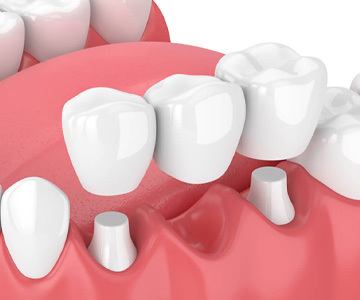
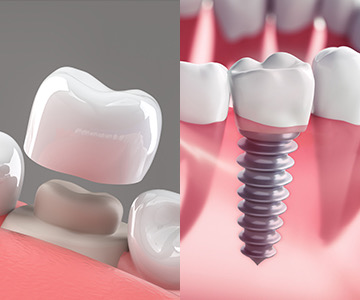
Treatment of edentulism (missing teeth) with a dental bridge is one of the most common and effective methods. A dental bridge allows for the restoration of both chewing function and smile aesthetics. It is a fixed prosthetic construction that is supported by healthy adjacent teeth and fills the space of a missing tooth. In this article, we will discuss what a dental bridge is, the types available, and how the placement process is carried out.
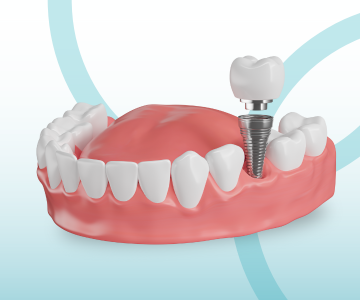
Missing teeth are no longer a problem! Dental implants offer the most advanced, durable, and natural-looking solution for restoring your smile. An implant, together with its crown, mimics a real tooth both aesthetically and functionally-helping you regain confidence, comfort, and a complete smile.
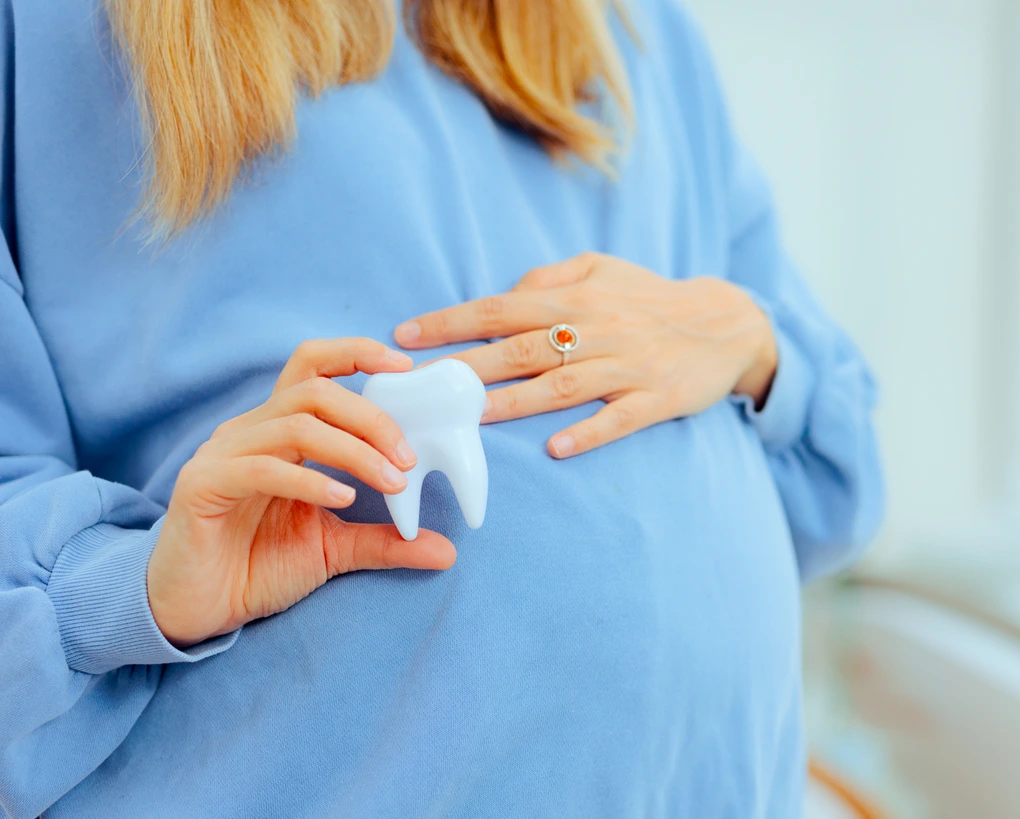
During pregnancy, hormonal changes can cause gum inflammation, bleeding, enamel erosion, and an increased risk of cavities. That’s why visiting the dentist during pregnancy is especially important.
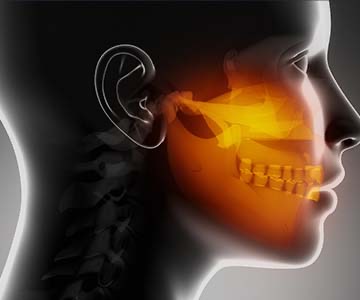
Gnathology is one of the leading branches of 21st-century dentistry. It forms the foundation for any complex dental treatment planning
Tooth loss (edentulism) affects not only the appearance of your smile but also the overall functional health of your oral cavity
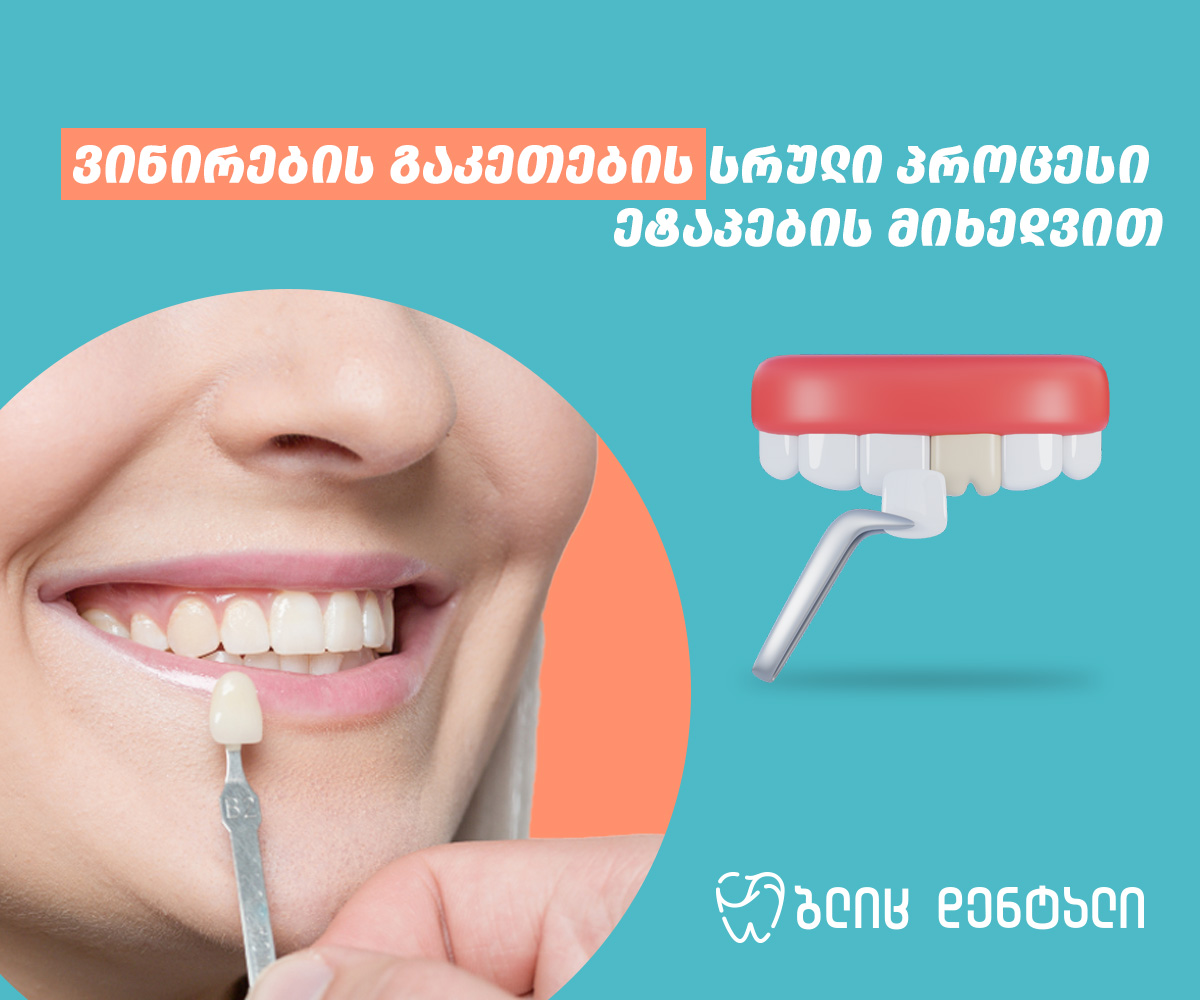
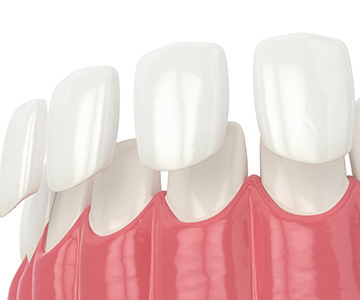
Dental veneers can be made from various materials, but ceramic (porcelain) veneers are the most widely used.
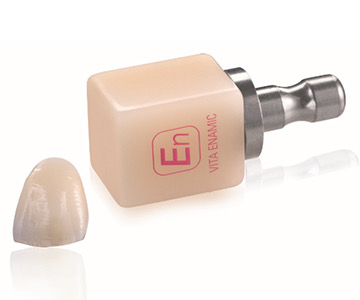
Modern aesthetic and functional dentistry is continually evolving, striving to identify restorative materials that combine exceptional strength
The eruption of baby teeth is one of the most important stages in a child’s early development.
Modern dentistry increasingly emphasizes the importance of orthodontic care.
Oral health care begins long before the first permanent tooth erupts.
A smile is one of the key elements of a person’s visual identity. It conveys confidence and positivity. However, the beauty of a smile is not only an aesthetic factor—it is directly connected to oral health.
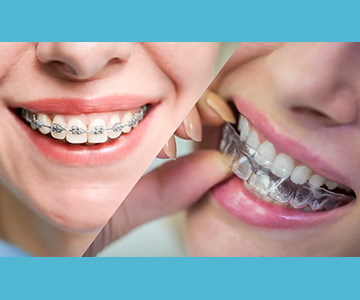
Orthodontic treatment has long gone beyond the limits of traditional metal braces.
Dental implantation is the best method for restoring missing teeth. However, for the procedure to be successful, the jawbone must have sufficient volume and density.
Dental implantation is one of the most effective and safest surgical procedures in modern dentistry for restoring missing teeth.
Initial endodontic (root canal) treatment is usually successful and helps preserve the natural tooth.
Root canal treatment, also known as endodontic therapy, is one of the most frequently discussed yet often misunderstood dental procedures.
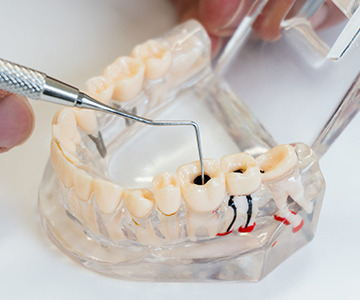
Tooth decay is one of the most common dental conditions, involving damage to the hard tissues of the teeth
Modern dentistry is constantly evolving, offering improved methods for solving complex issues.