02 October
To book a visit, sign up for a consultation. To clarify the details, our operator will contact you.
10 October 2024
Often, parents think that caries of milk teeth is not so important, because soon the children will replace these teeth, but this is a wrong approach. The caries of milk teeth is complicated by the infection of the soft and cool tissues around it, which may turn into various anomalies and complications.
Parents should definitely start taking care of children's teeth in the antenatal period, i.e. during pregnancy, because the structure of the teeth is formed during the development of the embryo. It is necessary to eat properly during pregnancy, which means eating foods rich in calcium, magnesium, and other microelements. Oral hygiene should be maintained, including brushing, flossing, flossing, and irrigators. It is important to conduct medical examinations not only during pregnancy but also before the conception of a child, in order to avoid caries and other dental diseases.
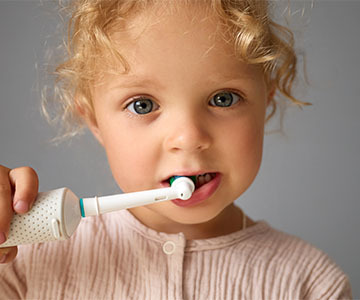
Cases of caries in preschool children are quite common because one of the main causes of caries is sucrose, which is contained in any product containing sugar. This is compounded by improper oral hygiene. It should also be taken into account that caries progresses especially quickly at this age. After the milk teeth erupt, the child may develop "bottle caries." It develops as a result of neglecting the rules of hygiene. Breast milk contains a lot of sugar. If the bottle and pacifier are not properly cleaned, or if you leave the baby in the mouth overnight, bacteria will multiply quickly, resulting in the development of caries on the first temporary teeth. To prevent this, it is necessary to clean the child's gums and teeth with a special silicone brush. For the age of 1 year, it is possible to buy a toothbrush with soft bristles. By about 1.5-2 years, we should start using toothpaste. Once in 3-4 months, the child should be examined by a dentist. With these means, we prevent the development of caries or detect it at an early stage.
Caries prevention for school-aged children is aimed at strengthening the enamel. For this purpose, fissure sealing is performed in children - a natural indentation on the chewing surface of the teeth. Tooth sealants are a special compound containing minerals, mainly fluorine. The doctor cleans the enamel of the child's teeth from plaque, performs antibacterial treatment, applies a sealant and removes the remnants of the substance with a drill. The procedure lasts 10-30 minutes. Secondary prevention refers to the treatment of carious lesions in the early first or second stage, when the caries has not yet reached the dentin. Treatment is done by remineralization of the enamel. The procedure is similar to sealing. At this stage, it is necessary to visit the dentist 2 times a year to detect the disease. Children's toothpaste containing fluoride is indicated for the child. Diet is the most important factor in the prevention of caries. Sweets should be limited, after eating, it is necessary to rinse the mouth with water or brush the teeth so that there are no food residues.
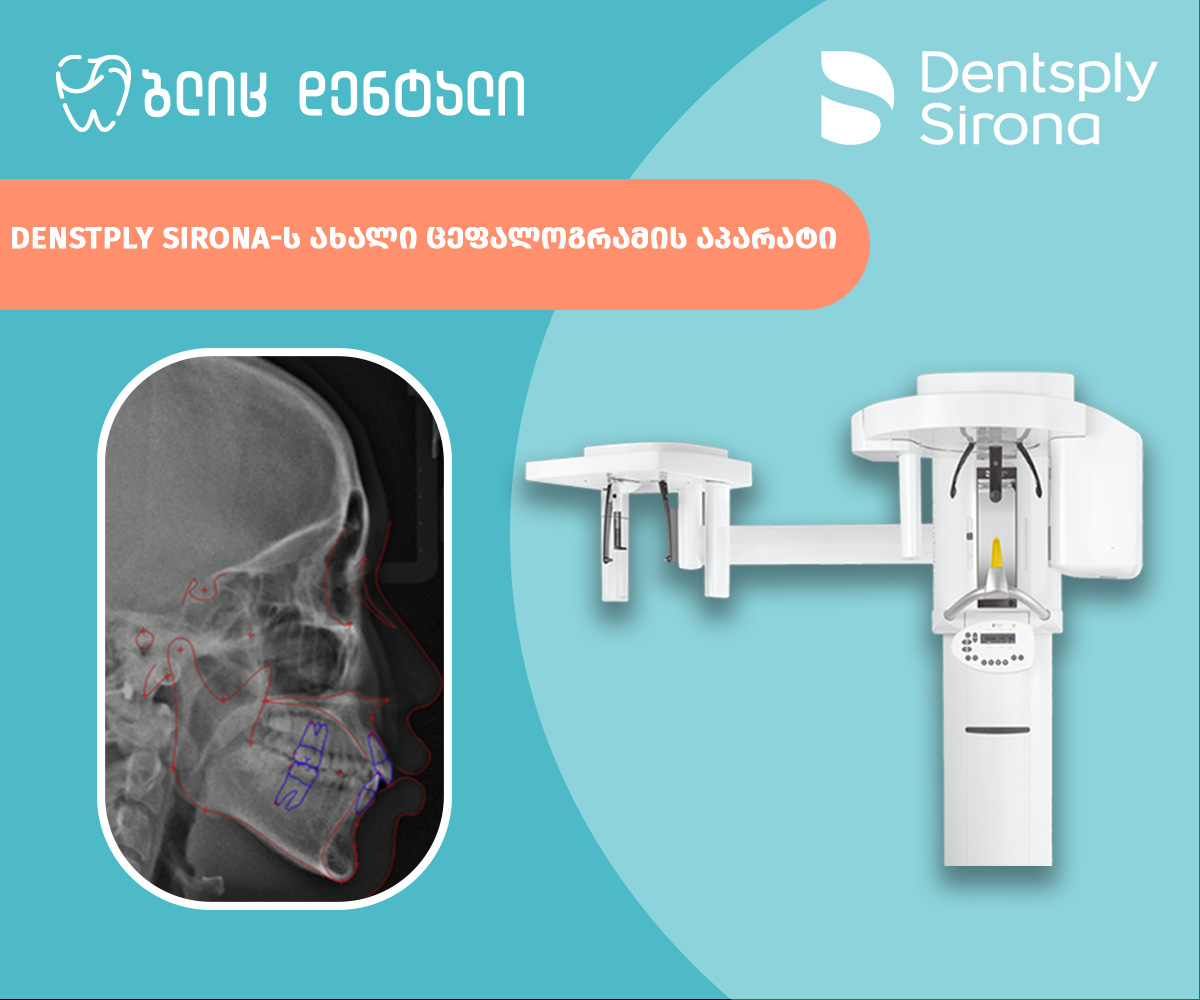
https://blitsdental.com/en/visit/consultation/blogOrthodontic treatment is not limited to straightening teeth. To achieve a beautiful, functional smile, an orthodontist needs to assess the relationship between the teeth, the upper and lower jaws, the skeletal structures of the face, and the surrounding soft tissues.


Braces are one of the most common orthodontic methods for straightening teeth and correcting bite alignment. Modern braces differ in terms of materials, appearance, and the way they work. But how do you choose the right system for you, and how long does the treatment take?
If you are planning dental treatment, summer is one of the best times for it. During the vacation season, scheduling dentist appointments is easier, allowing you to complete your treatment comfortably and on time.
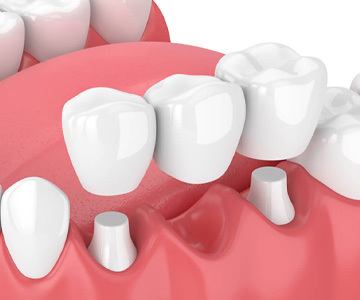
Treatment of edentulism (missing teeth) with a dental bridge is one of the most common and effective methods. A dental bridge allows for the restoration of both chewing function and smile aesthetics. It is a fixed prosthetic construction that is supported by healthy adjacent teeth and fills the space of a missing tooth. In this article, we will discuss what a dental bridge is, the types available, and how the placement process is carried out.
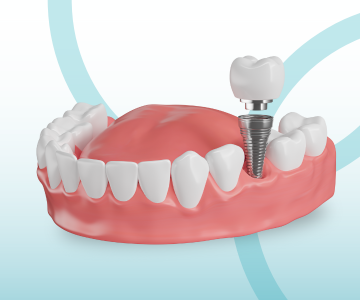
Missing teeth are no longer a problem! Dental implants offer the most advanced, durable, and natural-looking solution for restoring your smile. An implant, together with its crown, mimics a real tooth both aesthetically and functionally-helping you regain confidence, comfort, and a complete smile.

During pregnancy, hormonal changes can cause gum inflammation, bleeding, enamel erosion, and an increased risk of cavities. That’s why visiting the dentist during pregnancy is especially important.
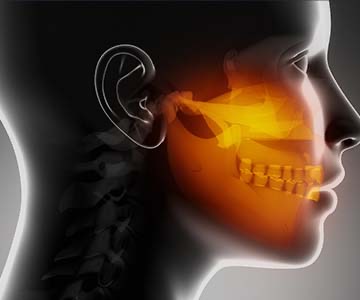
Gnathology is one of the leading branches of 21st-century dentistry. It forms the foundation for any complex dental treatment planning
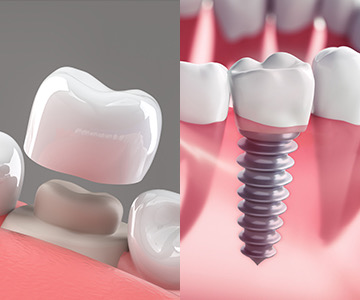
Tooth loss (edentulism) affects not only the appearance of your smile but also the overall functional health of your oral cavity
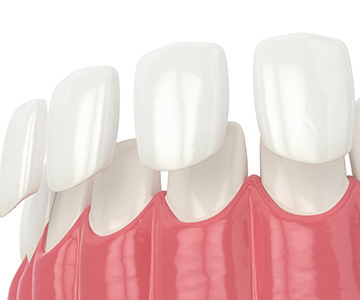
Dental veneers can be made from various materials, but ceramic (porcelain) veneers are the most widely used.
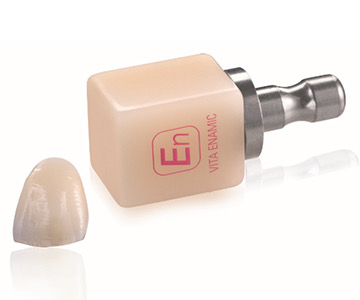
Modern aesthetic and functional dentistry is continually evolving, striving to identify restorative materials that combine exceptional strength

The eruption of baby teeth is one of the most important stages in a child’s early development.
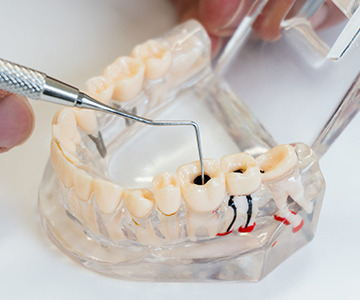
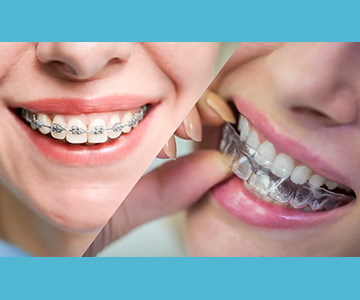
Modern dentistry increasingly emphasizes the importance of orthodontic care.

Oral health care begins long before the first permanent tooth erupts.
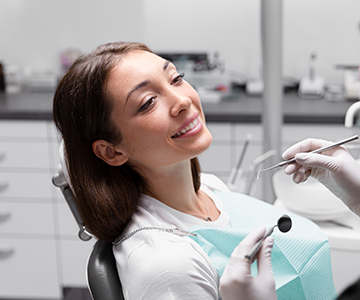
A smile is one of the key elements of a person’s visual identity. It conveys confidence and positivity. However, the beauty of a smile is not only an aesthetic factor—it is directly connected to oral health.