22nd Century Technologies at Blits Dental
27 December 2021
Dentistry, like all the other fields of medicine, is evolving on a daily basis to be able to meet patient’s needs. Our team is constantly looking for new opportunities, exploring and implementing modern dental approaches and using the latest technological equipment to make the patient's visit to the dentist a pleasant, comfortable process. Today we would like to discuss the technological advantages that our clinic can provide.
Intraolar Scanner - Is a modern dental scanner that, instantly (in real time) captures the patient's oral cavity - on the screen, in colored format and simplifies the process of taking a print. An intraolar scanner allows the dentist to see the clinical situation and the quality of the print instantly. If there are defects found, it is possible to re-scan the specific problematic area and re-taking the entire print is not needed. An intraolar scanner is especially convenient for the patient because there is no need to put an imprint glue in the oral cavity. Consequently, the patient no longer has an unpleasant sensation, which in many cases is characterized by an intensified "vomiting reflex".
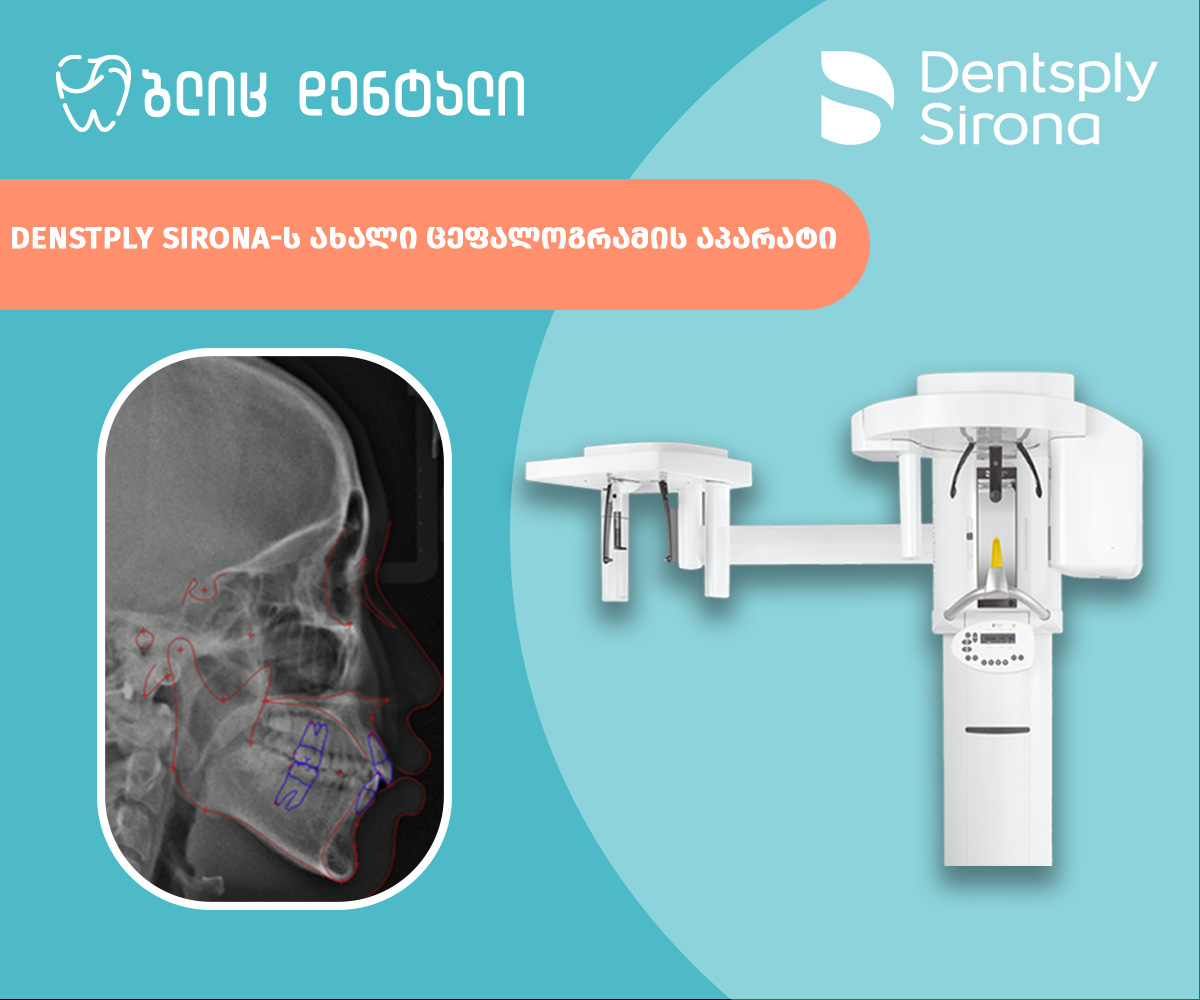
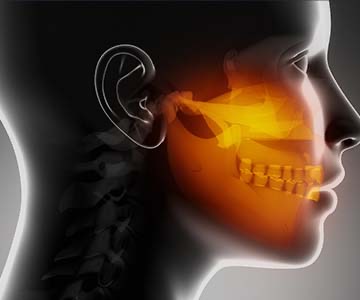
3D Tomography (ORTHOPHOS SL 3D) - 3D computed tomography allows us to obtain a complete jaw-face print, as well as a three-dimensional reflection of the skull and an accurate image of the oral cavity. 3D computed tomography is especially convenient for the dentist, as it allows him to see with full accuracy, such areas of the oral cavity, that are impossible to see by using standard dental instruments.
DSD - Digital Smile Design - Photodocumentation has a great importance in modern dentistry. It allows not only to compare the pre-treatment and post-treatment conditions, but also allows us to observe the latest results. In aesthetic dentistry, there are computer programs that allow us to model the acceptable results of a future treatment. Those remodeled photos are guidelines for both the patient and the doctor ,when coming up with the treatment plan. The photos are taken before the treatment, and then the process of their detailed analysis through DSD - Digital Smile Design program is started. With the help of DSD photo modeling, it is possible for the patient to see the outcome they will receive after treatment.
Dental Microscope (ZEISS, LEICA) - The use of a microscope in dentistry is an ultra-modern direction. Optical instruments allow us to continuously monitor the treatment process, which directly affects the quality of treatment and focuses on saving tooth tissues. The microscope glows and magnifies the work area about 25 times, which helps us to determine the exact anatomical structure of the tooth and to restore it with maximum accuracy.
The microscope allows us to:
- Easily detect the entrance to the tooth canals.
- With maximum saving of tooth tissue, determine the presence of additional tooth canals and anatomical features,
- Protects us from secondary infection by easely removing necrotic masses
- Remove tooth deposits to create access to the tooth canals
- With the help of a microscope it is possible to determine the line of cracks and fractures on the tooth.
In case of another endodontics, the dental microscope plays an irreplaceable role. The most common complication that a dentist faces during endodontic treatment is perforations and broken instruments in the tooth canals, causing most patients to lose a tooth. Identifying and resolving such difficulties through a microscope is more simplified.
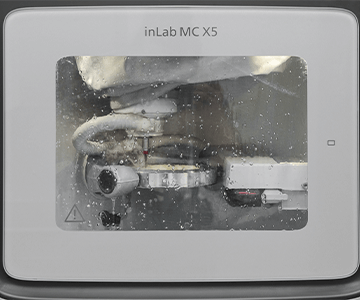
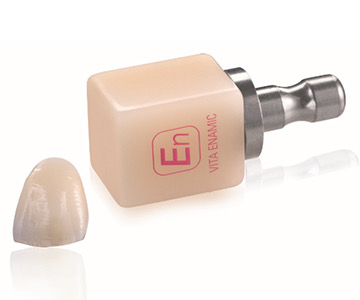
CEREC - is the latest and most unique computer technology in modern dentistry. With the help of “Cerec”, it is now possible to restore any broken or decayed tooth in less than 2 hours. The CEREC AC system allows us to design tooth structures and produce biocompatible artificial teeth. Unlike the traditional method, the dental work is performed by a computer. Instead of the usual print, the doctor uses a delicate optical tooth print and the result is so precise that it requires no correction of any kind. The main advantage of the latest technology of CEREC AC is that the tooth can be restored in just one visit and after restoration, the tooth looks very natural.