Braces and Daily Life: How to Take Care of Your Teeth?
30 January 2025
However, wearing braces requires proper daily hygiene and care to achieve the desired results. This blog will serve as a guide on how to properly care for your braces and make them a natural part of your daily routine.
Braces:
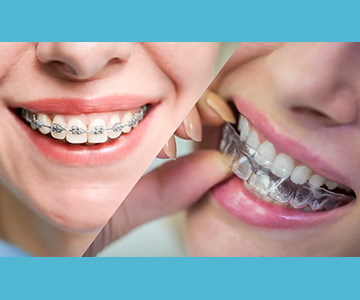
Braces are an effective solution in modern dentistry, designed to correctly align teeth, fix spacing issues, improve chewing function, address speech problems, and eliminate bite defects. They not only enhance the aesthetics of a smile but also contribute to overall oral health, as properly aligned teeth are easier to clean. This, in turn, helps prevent cavities, gum disease, and other oral health problems. That is why special care is essential in daily life.
How to Take Care of Your Teeth While Wearing Braces?
Daily Hygiene and Frequent Cleaning:
Maintaining proper oral hygiene while wearing braces is crucial. Therefore, it is essential to thoroughly clean your teeth after every meal using a soft, single-tufted toothbrush to prevent food particles from accumulating. Additionally, interdental brushes are recommended, as they effectively remove debris between braces and wires.
For daily orthodontic hygiene, most dentists recommend using fluoride mouthwash to strengthen tooth enamel, as well as water irrigators, which effectively remove debris from hard-to-reach areas.
Avoiding Harmful Foods:
Certain food restrictions are necessary while wearing braces to prevent damage. The first rule to remember is to minimize the consumption of hard foods and, most importantly, to avoid chewing gum.
- Hard Foods: Avoid nuts, hard vegetables (such as carrots, unless they are finely chopped), oranges, popcorn, and, in some cases, certain meat products.
- Sticky Sweets: Toffee, caramel, and other sticky products tend to get stuck between the teeth, promoting bacterial growth.
- Sugary Beverages: Carbonated drinks and sugary juices increase the risk of cavities and tooth decay.
How to Care for Different Types of Braces?
The care routine for braces naturally depends on their type. For example, ceramic braces require more careful handling compared to metal braces, as they are more prone to damage due to pressure. Meanwhile, lingual braces, which are attached to the inside of the teeth, are particularly difficult to clean and require more time and effort to maintain proper hygiene. Each type has its own specific care requirements that both orthodontists and patients should consider.
Using Dental Floss and an Oral Irrigator:
Flossing with braces can be challenging, but specialized tools make the process easier. These include orthodontic floss, which helps clean food particles between braces and teeth, as well as modern dental irrigators, which use a strong stream of water to clean hard-to-reach areas and reduce bacterial buildup.
Regular Visits to the Orthodontist:
One of the most important aspects of successful treatment is regular orthodontic visits, which typically occur every 4–6 weeks. The frequency depends on the treatment plan and the patient’s needs.
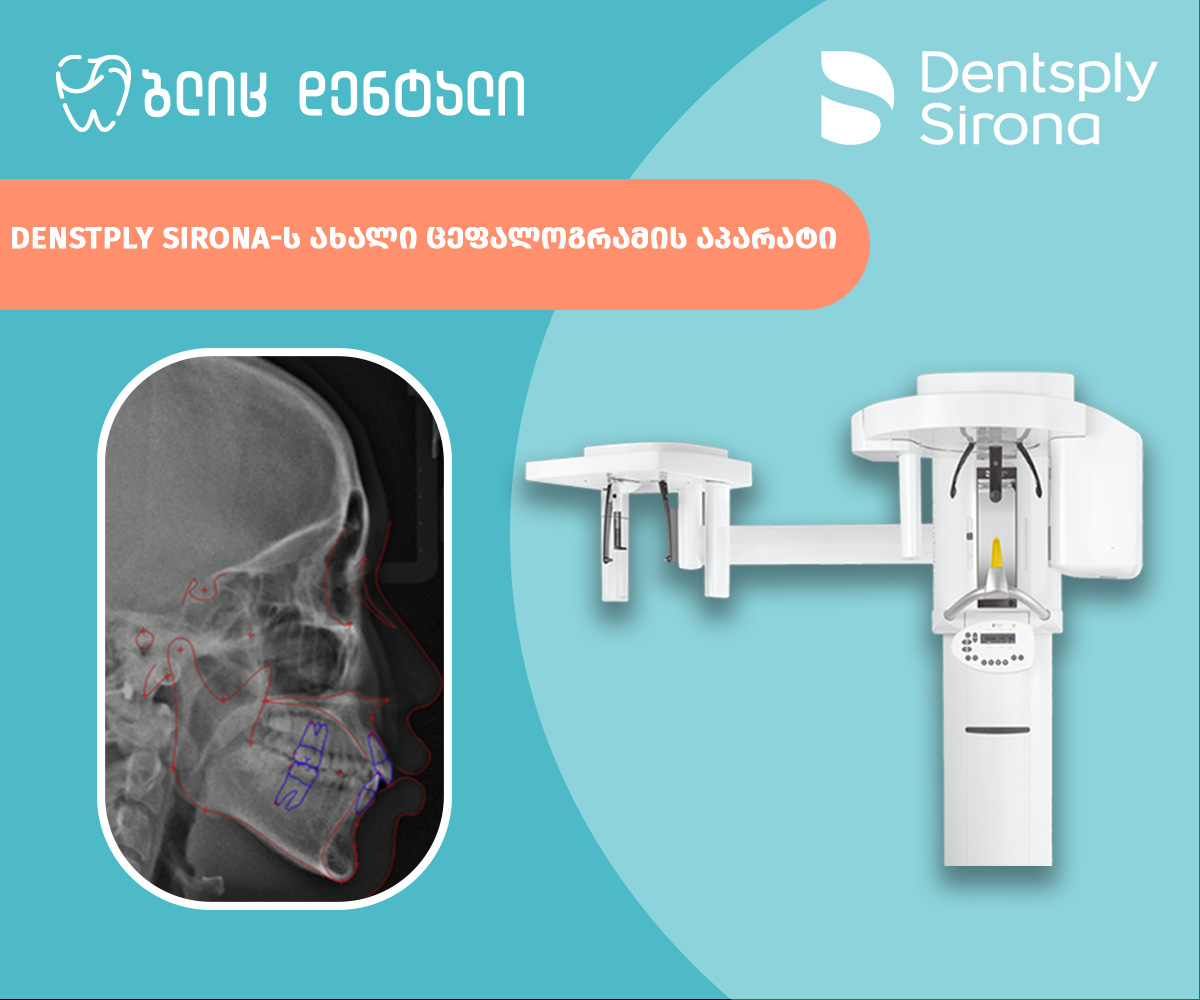
During each visit, the orthodontist checks the condition of the braces and makes necessary adjustments. They monitor whether the teeth are moving in the correct direction. In some cases, the orthodontist may take photographs or X-rays to evaluate progress and adjust the treatment plan accordingly.
It is advisable to repair damaged braces or wires promptly to avoid complications such as gum irritation. Additionally, the tension of the wires may need to be adjusted to ensure that the treatment progresses as efficiently as possible.
Adapting to Daily Life:
During the initial stage of wearing braces, some patients may experience mild discomfort, which is entirely normal and should not be a cause for concern. Any irritation or pain can be relieved with orthodontic wax or by rinsing with salt water—both of which are highly effective methods. It is also important to remember that braces are temporary, but the result—a beautiful, long-lasting smile—is permanent.
Final Thoughts:
In conclusion, taking care of braces requires special attention and discipline. Proper brushing techniques, avoiding harmful foods, maintaining excellent oral hygiene, and regularly visiting the dentist are key factors in achieving a healthy and aesthetically pleasing smile. These tips will help you achieve the best results.
On your journey to a perfect smile, "Blits Dental - Kakhaber Kharebava’s Clinic" will be by your side, offering a team of professionals and modern technological methods dedicated to helping you achieve the smile you desire.
.png)