Ceramic Inlays or Fillings – Which Is the Better Choice?
07 February 2025
Both methods aim to restore the structure of a tooth and improve its functionality. However, there are significant differences between them in terms of material, durability, aesthetics, and cost.
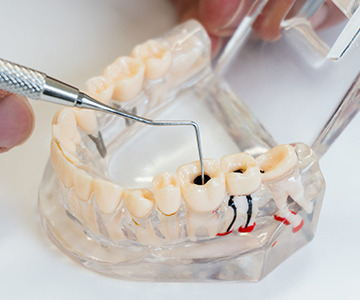
Fillings are used when a tooth has minor to moderate damage, such as cavities. The most common type in modern dentistry is composite fillings, which blend naturally with the tooth color and are less noticeable.
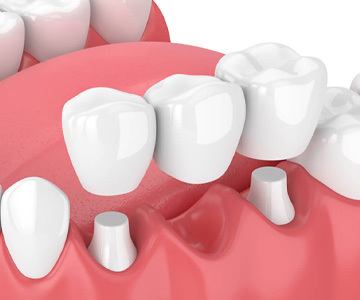
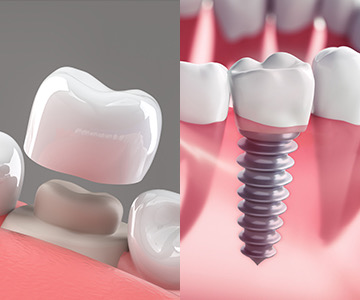
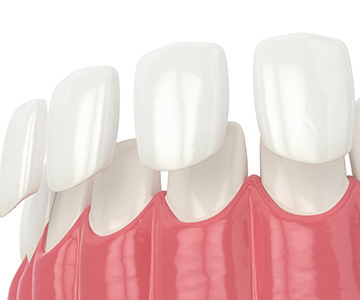
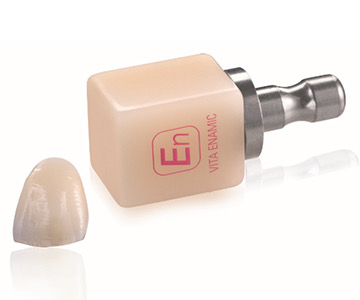
Ceramic inlays, also known as inlays and onlays, are used for more severe damage when a significant portion of the tooth is lost, but extraction is not yet necessary. These inlays are laboratory-made, designed to match the exact shape of the damaged tooth, and then bonded securely in place.
So, which option is better? The answer depends on the patient's needs and priorities. Let’s explore the advantages and disadvantages of each option.
Fillings – A Traditional and Affordable Choice
Fillings have been used in dentistry for a long time, primarily to restore the damaged parts of a tooth.
Advantages:
- First of all, fillings are quite affordable. They can be placed in a single visit, making the procedure quick and convenient for the patient.
- Modern composite fillings have a high aesthetic value. They can perfectly match the tooth color and look natural, making them an ideal option for front teeth.
- One of the biggest advantages of fillings is their minimal invasiveness. The dentist does not need to remove a large portion of the tooth, meaning that the natural tooth structure is preserved as much as possible.
Disadvantages:
- Despite their popularity, fillings have some drawbacks. They are less durable than ceramic inlays, especially for patients with strong bites or bruxism (teeth grinding). Fillings can wear down, chip, or break over time, requiring periodic replacement.
- Composite fillings may also discolor over time, particularly in patients who frequently consume coffee, tea, or tobacco products.
Ceramic Inlays – Durability and Premium Quality
Ceramic inlays are becoming increasingly popular in modern dentistry. They are made in a laboratory using digital scanning or traditional impressions, ensuring high precision and a perfect fit with the tooth.
Advantages:
- The main advantage of ceramic inlays is their durability and longevity. They are significantly stronger than composite fillings and can last more than 10–15 years if the patient maintains good oral hygiene.
- Aesthetically, ceramic looks much more natural and does not change color over time. This means inlays will not discolor from coffee, tea, or tobacco consumption.
- Ceramic is highly biocompatible, meaning it does not cause allergic reactions and integrates perfectly with the tooth’s structure. It is also less prone to expansion and contraction due to temperature changes, reducing the risk of cracks and secondary cavities.
Disadvantages:
- Ceramic inlays are more expensive than fillings. Their production requires a laboratory process, which increases costs.
- Another disadvantage is that the procedure requires at least two visits. During the first visit, the dentist takes an impression, and on the second visit, the inlay is placed. However, with modern technology, some clinics can create and install ceramic inlays in a single appointment.
Which Method to Choose?
The choice depends on several factors, including the extent of tooth damage, budget, and patient priorities.
- If the damage is minor and a quick, cost-effective solution is needed, a filling is a good option. It is ideal for small cavities or minor fractures.
- If a large portion of the tooth is damaged and a more durable, aesthetic result is desired, a ceramic inlay is the best choice. It provides greater tooth strength, reliability, and long-lasting effects.
- Additionally, if you frequently consume coffee, wine, or tobacco, ceramic will be more resistant to discoloration, helping your smile stay bright and natural for longer.
Conclusion
Both ceramic inlays and fillings serve different needs and have their advantages. If a patient wants a long-lasting and high-quality result, ceramic inlays are preferable. However, fillings offer a quick, affordable, and minimally invasive option for minor damage.
The final decision should be made after consulting with a dentist, who will assess the condition of your teeth and recommend the most suitable option for you. In any case, both fillings and ceramic inlays help restore teeth and maintain a healthy smile, which can be achieved at Blits Dental – Kakhaber Kharebava’s Clinic.