20 August
To book a visit, sign up for a consultation. To clarify the details, our operator will contact you.

17 February 2025
In modern dentistry, bone grafting is one of the most essential procedures that helps prevent jawbone deterioration caused by frequent tooth loss and aids patients in maintaining healthy and functional teeth. This is why various bone grafting techniques are actively used in implantology to restore lost tissue and enable successful implantation.
Why Is Bone Grafting Necessary?
When a tooth is lost or extracted, the surrounding bone tissue gradually deteriorates. This process occurs because the bone no longer receives the necessary load, prompting the body to naturally reduce its volume. As a result, there is insufficient space in the jawbone for implant placement. In such cases, bone grafting becomes essential to compensate for the deficiency. The type of bone replacement required is determined by the dentist based on the specific needs of the patient.
Bone loss can also result from periodontal disease, trauma, and infections. Often, these problems develop unnoticed in the oral cavity, and if treatment is delayed, they can lead to bone atrophy around the tooth root. In such cases, surgical intervention is necessary, involving the restoration of both bone and gum tissues.
Bone Grafting Methods
Today, several primary techniques are used in dentistry, differing in methodology and materials:
How Is the Procedure Performed?
Bone grafting is carried out in a planned and step-by-step manner. First, the dentist evaluates the condition of the patient’s jawbone using diagnostic tools such as X-rays and computed tomography. Based on the assessment, the appropriate material is selected: the patient’s own bone, donor bone, or biologically compatible synthetic material.
During the procedure, the bone material is placed in the required area, sometimes accompanied by a special membrane that aids tissue regeneration. In some cases, an implant can be placed simultaneously with the bone grafting procedure, but in others, the tissue may require several months to heal before implantation.
Post-Surgical Period
After surgical intervention, patients require a recovery period that can range from several weeks to months. During this time, it is crucial to follow the dentist’s recommendations, including adhering to a proper diet, taking prescribed medications, and maintaining rigorous oral hygiene.
Benefits of Bone Grafting
Bone grafting is not only a preparatory procedure for implantation but also plays a crucial role in overall oral health. Restoring bone tissue prevents jaw deformation, helps maintain facial contours, and ensures strong and stable teeth. Additionally, bone grafting allows patients to undergo successful dental implantation, significantly improving their quality of life by restoring normal chewing function, enhancing speech, and achieving an aesthetically pleasing result, which adds to the significance of the procedure.
Conclusion
To conclude, bone grafting is one of the most vital and commonly used procedures in modern dentistry. It enables the restoration of lost bone tissue, creating a healthy and durable oral structure. Therefore, for successful implantation, facial deformation prevention, and overall dental health, timely and professional intervention is crucial. If you are experiencing tooth or bone tissue loss, consult Blits Dental - Kakhaber Kharebava Clinic for the best dental experience and personalized treatment.

Braces are one of the most common orthodontic methods for straightening teeth and correcting bite alignment. Modern braces differ in terms of materials, appearance, and the way they work. But how do you choose the right system for you, and how long does the treatment take?
If you are planning dental treatment, summer is one of the best times for it. During the vacation season, scheduling dentist appointments is easier, allowing you to complete your treatment comfortably and on time.
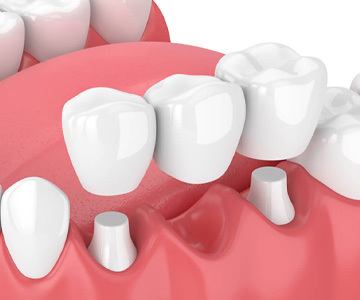
Treatment of edentulism (missing teeth) with a dental bridge is one of the most common and effective methods. A dental bridge allows for the restoration of both chewing function and smile aesthetics. It is a fixed prosthetic construction that is supported by healthy adjacent teeth and fills the space of a missing tooth. In this article, we will discuss what a dental bridge is, the types available, and how the placement process is carried out.
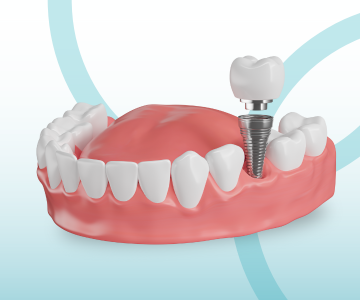
Missing teeth are no longer a problem! Dental implants offer the most advanced, durable, and natural-looking solution for restoring your smile. An implant, together with its crown, mimics a real tooth both aesthetically and functionally-helping you regain confidence, comfort, and a complete smile.

During pregnancy, hormonal changes can cause gum inflammation, bleeding, enamel erosion, and an increased risk of cavities. That’s why visiting the dentist during pregnancy is especially important.
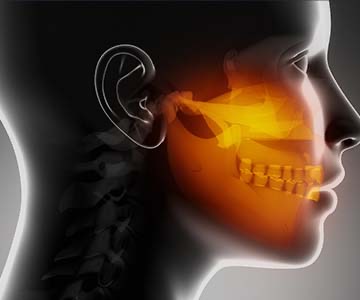
Gnathology is one of the leading branches of 21st-century dentistry. It forms the foundation for any complex dental treatment planning
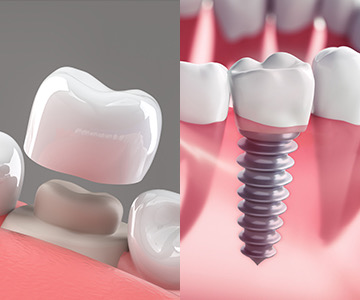
Tooth loss (edentulism) affects not only the appearance of your smile but also the overall functional health of your oral cavity
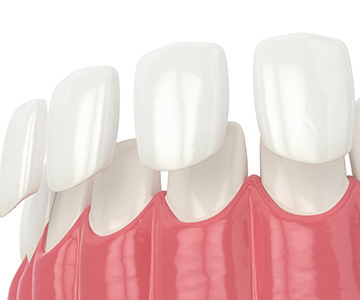
Dental veneers can be made from various materials, but ceramic (porcelain) veneers are the most widely used.
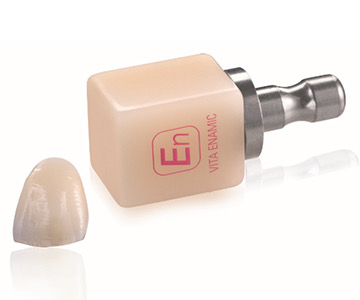
Modern aesthetic and functional dentistry is continually evolving, striving to identify restorative materials that combine exceptional strength

The eruption of baby teeth is one of the most important stages in a child’s early development.
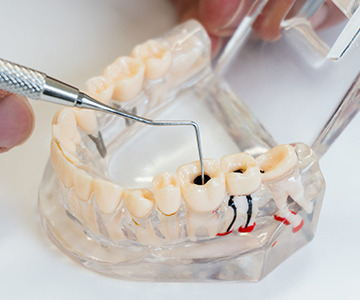
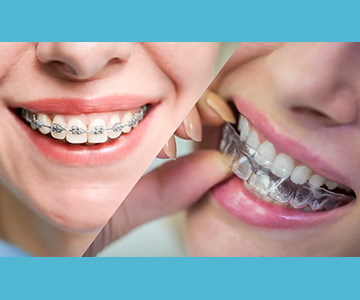
Modern dentistry increasingly emphasizes the importance of orthodontic care.

Oral health care begins long before the first permanent tooth erupts.
A smile is one of the key elements of a person’s visual identity. It conveys confidence and positivity. However, the beauty of a smile is not only an aesthetic factor—it is directly connected to oral health.
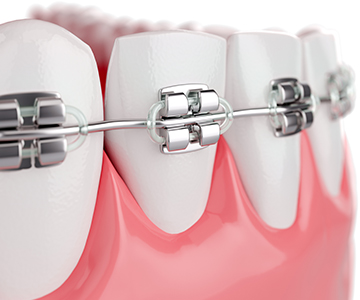
Orthodontic treatment has long gone beyond the limits of traditional metal braces.
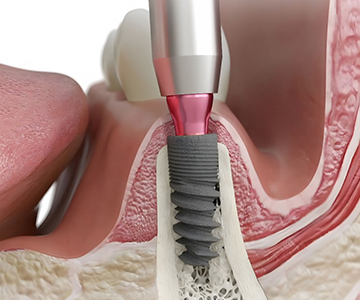
Dental implantation is the best method for restoring missing teeth. However, for the procedure to be successful, the jawbone must have sufficient volume and density.
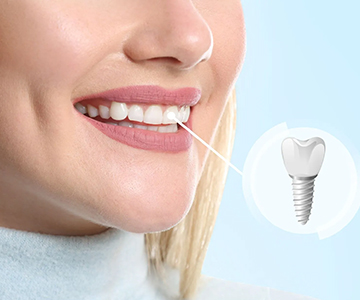
Dental implantation is one of the most effective and safest surgical procedures in modern dentistry for restoring missing teeth.
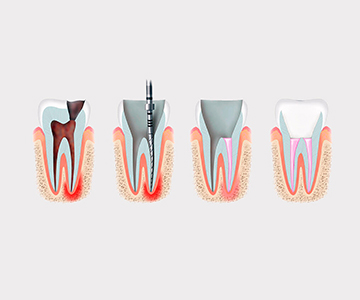
Initial endodontic (root canal) treatment is usually successful and helps preserve the natural tooth.