02 October
To book a visit, sign up for a consultation. To clarify the details, our operator will contact you.

26 February 2025
When it comes to orthodontic treatment, many widely believed myths persist. One of the most common misconceptions is that braces are only effective during adolescence and that straightening teeth in adulthood is either impossible or significantly less effective. However, modern research and advancements in dental technology have debunked these myths. In reality, teeth can be repositioned at any age because orthodontic treatment relies on the natural regeneration and adaptation of bone tissue. As a result, wearing braces at 30, 40, 50, or even later in life is just as effective as in childhood. According to the Canadian Association of Orthodontists, one in five orthodontic patients is over the age of 21. Many adults seek treatment because they understand that misaligned teeth can lead to various risk factors, including gum inflammation and bleeding (gingivitis), periodontal pockets that trap food and cause bad breath, temporomandibular joint (TMJ) disorders, worn-down teeth, and gum recession, among other issues.
Correcting dental misalignment with braces in adulthood offers numerous advantages. First and foremost, properly aligned teeth play a crucial role in oral health, impacting speech, chewing function, aesthetics, and the prevention of dental diseases. Misaligned teeth create uneven pressure, accelerating wear and potentially leading to cavities, periodontitis, and other complications. Therefore, achieving a well-aligned bite at any age is beneficial, not only for health but also for maintaining good daily oral hygiene.
Beyond health concerns, properly aligned teeth significantly influence aesthetics and self-confidence. Many adults who undergo orthodontic treatment report feeling more confident and comfortable in social interactions. This is especially important in professions where appearance and a beautiful smile play a crucial role.
Today, a wide range of orthodontic treatment options is available, allowing adult patients to choose the most suitable and comfortable method. The most commonly used types of braces in modern dentistry include:
While orthodontic treatment is possible at any age, adults may face certain limitations that must be considered during treatment planning. For example, bone density and gum health can influence the speed of tooth movement. In some cases, periodontal treatment may be necessary before starting orthodontic care.
Maintaining oral hygiene is especially important for adults wearing braces, as braces can make cleaning more challenging. Regular use of water flossers and interdental brushes, along with brushing after meals, helps prevent cavities and gum inflammation. Close collaboration between an orthodontist and a dentist ensures that treatment remains effective and safe for overall dental health.
The duration of orthodontic treatment varies depending on the complexity of each case. On average, adult treatment lasts between 18 and 30 months. However, this timeline can be shorter for minor corrections or when using faster-acting alternatives such as clear aligners.
It is important to note that after braces are removed, patients must wear retainers to maintain their results. Teeth naturally shift over time, so the retention phase is essential to prevent relapse and preserve the new alignment.
There is no age limit for getting braces. If someone desires a healthier smile, better dental function, and improved self-esteem, orthodontic treatment is always an option. Thanks to modern technology and advanced treatment methods offered by professional dental clinics such as Blits Dental – Dr. Kakhaber Kharebava’s practice, patients can choose a method that suits their needs and lifestyle. However, consulting with a specialist is essential to determine the most effective treatment plan, ensuring long-term oral health and the best possible results.
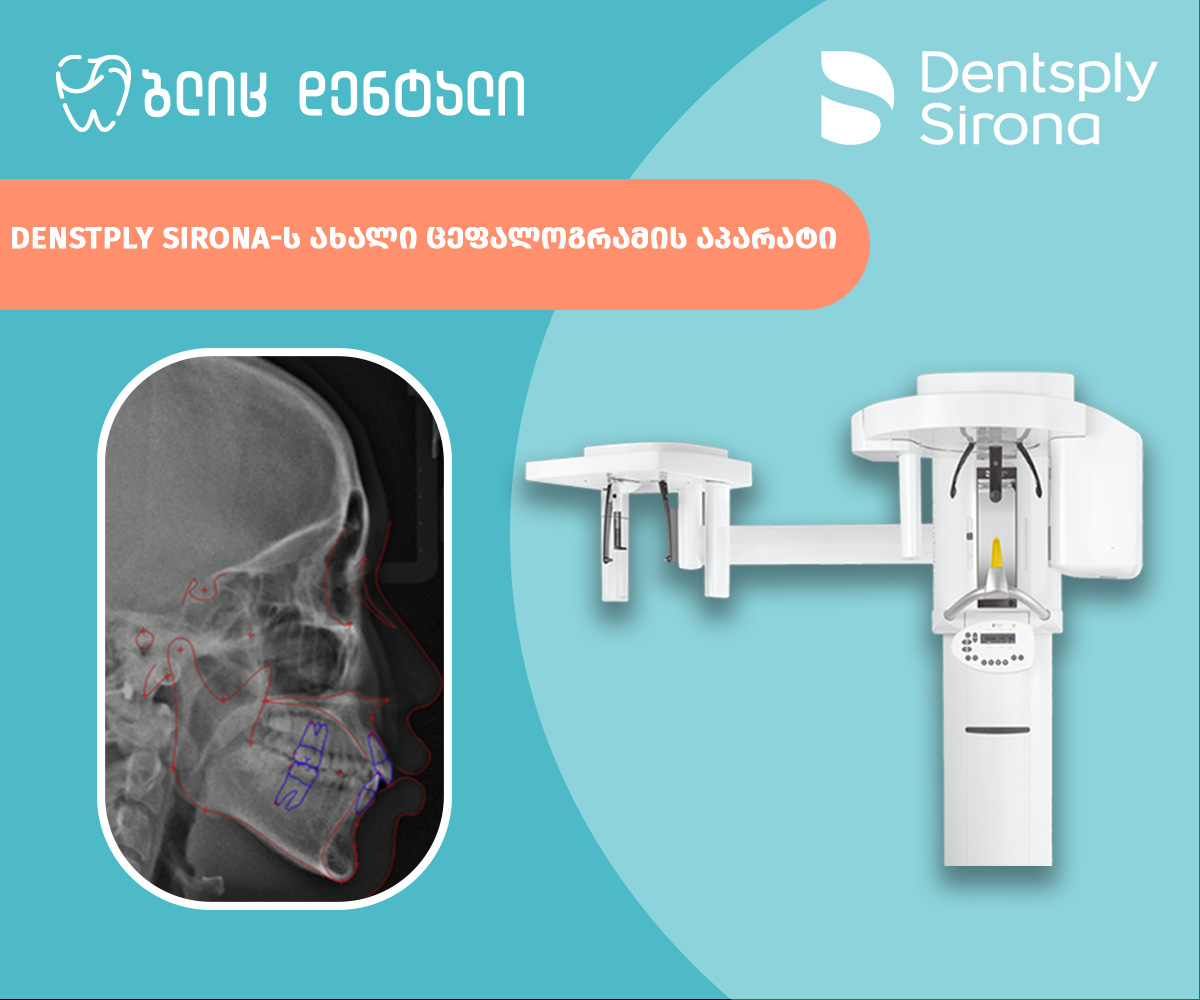
https://blitsdental.com/en/visit/consultation/blogOrthodontic treatment is not limited to straightening teeth. To achieve a beautiful, functional smile, an orthodontist needs to assess the relationship between the teeth, the upper and lower jaws, the skeletal structures of the face, and the surrounding soft tissues.


Braces are one of the most common orthodontic methods for straightening teeth and correcting bite alignment. Modern braces differ in terms of materials, appearance, and the way they work. But how do you choose the right system for you, and how long does the treatment take?
If you are planning dental treatment, summer is one of the best times for it. During the vacation season, scheduling dentist appointments is easier, allowing you to complete your treatment comfortably and on time.
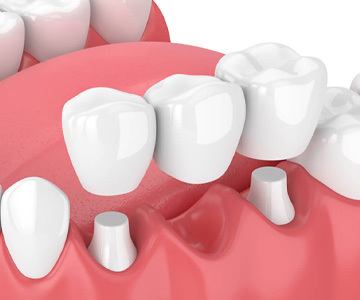
Treatment of edentulism (missing teeth) with a dental bridge is one of the most common and effective methods. A dental bridge allows for the restoration of both chewing function and smile aesthetics. It is a fixed prosthetic construction that is supported by healthy adjacent teeth and fills the space of a missing tooth. In this article, we will discuss what a dental bridge is, the types available, and how the placement process is carried out.
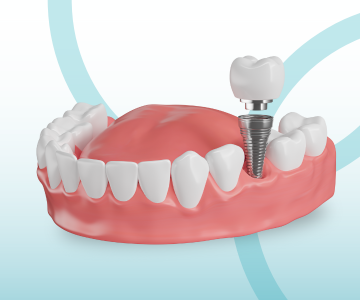
Missing teeth are no longer a problem! Dental implants offer the most advanced, durable, and natural-looking solution for restoring your smile. An implant, together with its crown, mimics a real tooth both aesthetically and functionally-helping you regain confidence, comfort, and a complete smile.

During pregnancy, hormonal changes can cause gum inflammation, bleeding, enamel erosion, and an increased risk of cavities. That’s why visiting the dentist during pregnancy is especially important.
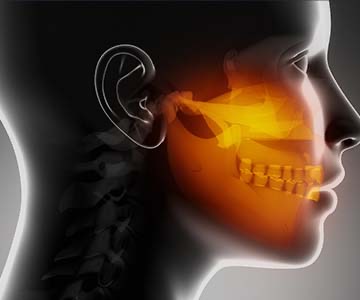
Gnathology is one of the leading branches of 21st-century dentistry. It forms the foundation for any complex dental treatment planning
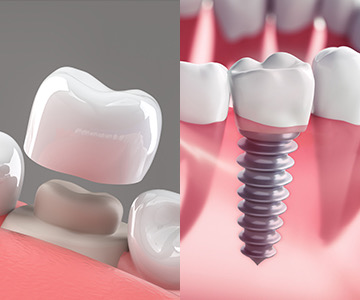
Tooth loss (edentulism) affects not only the appearance of your smile but also the overall functional health of your oral cavity
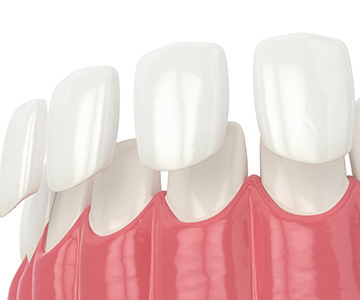
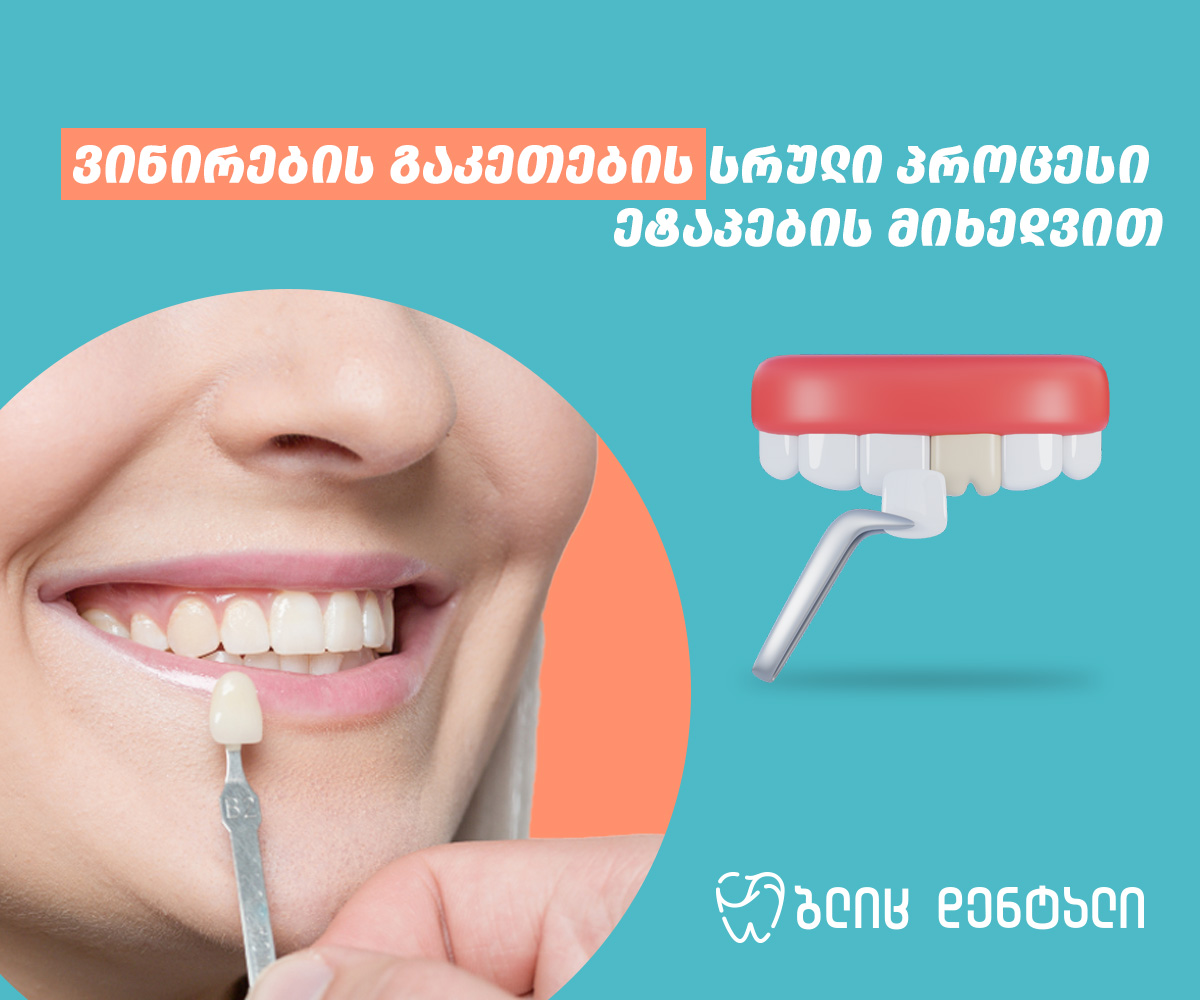
Dental veneers can be made from various materials, but ceramic (porcelain) veneers are the most widely used.
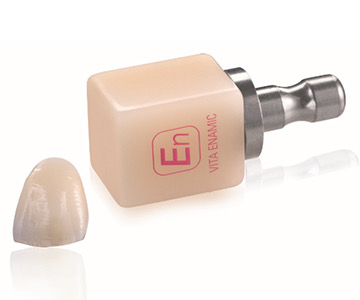
Modern aesthetic and functional dentistry is continually evolving, striving to identify restorative materials that combine exceptional strength

The eruption of baby teeth is one of the most important stages in a child’s early development.
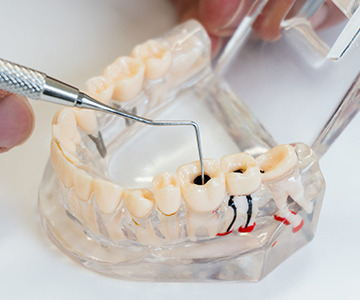
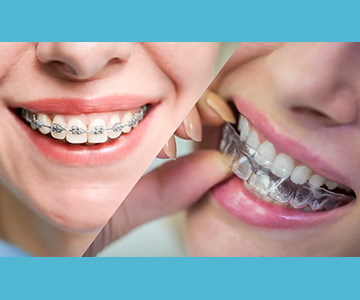
Modern dentistry increasingly emphasizes the importance of orthodontic care.
Oral health care begins long before the first permanent tooth erupts.
A smile is one of the key elements of a person’s visual identity. It conveys confidence and positivity. However, the beauty of a smile is not only an aesthetic factor—it is directly connected to oral health.