20 August
To book a visit, sign up for a consultation. To clarify the details, our operator will contact you.
26 March 2025
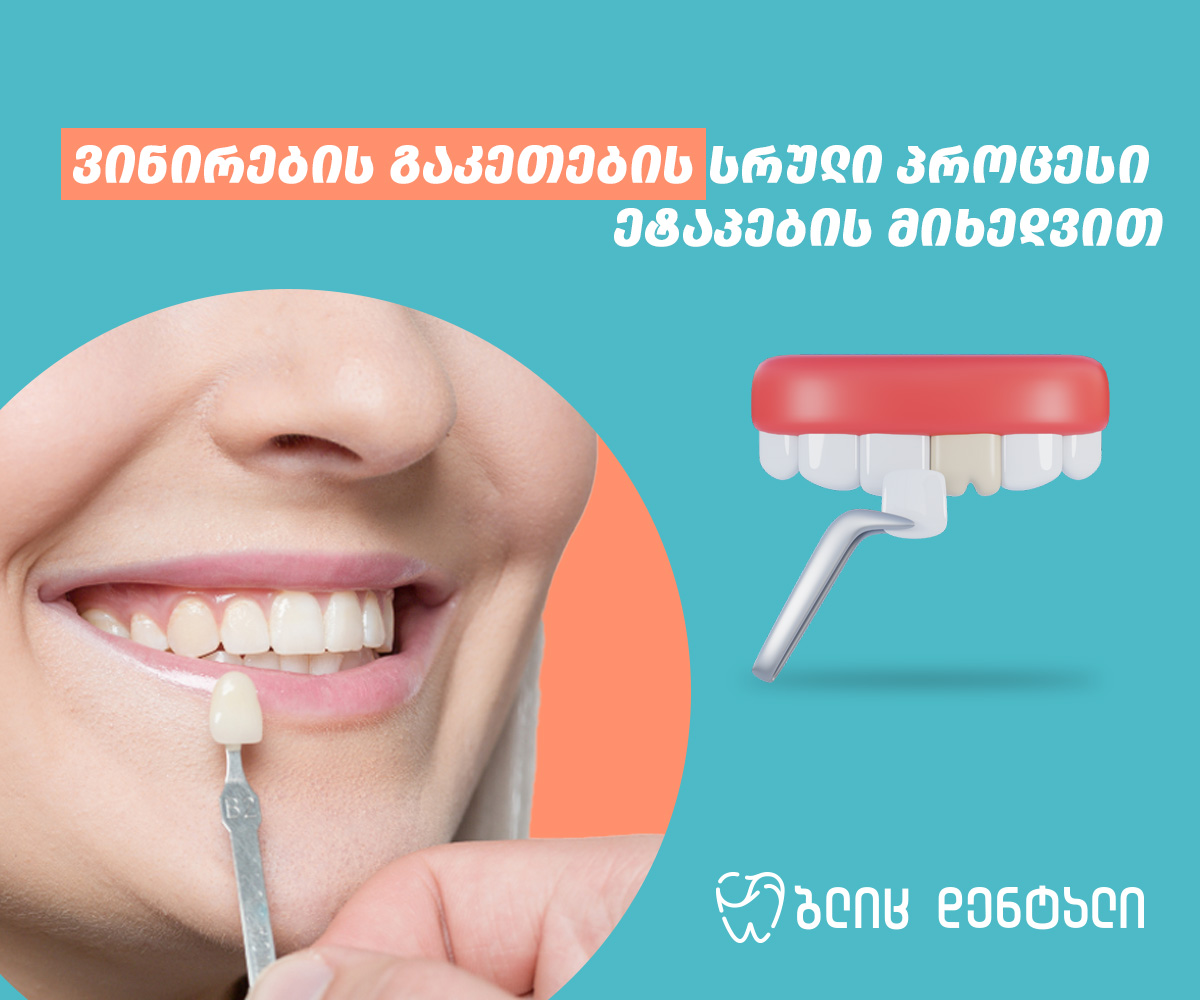
A beautiful smile is always associated with confidence and aesthetic appeal. For many people, the appearance of their teeth is of utmost importance. Veneers are one of the most popular dental procedures that help improve the shape and color of teeth. However, before deciding on veneers, it is crucial to fully understand the specifics of the procedure, its duration, and how to care for the results.
What Are Veneers and How Does the Procedure Work?
Veneers are thin, custom-made ceramic or composite shells that are bonded to the front surface of the teeth. They are used to correct various aesthetic imperfections, including discolored teeth, small gaps, chipped or cracked teeth, and uneven shapes. The most common material for veneers is ceramic, as it is durable and provides a natural appearance. This procedure differs from teeth whitening, which only changes the color, or orthodontic treatment, which requires repositioning the teeth. With veneers, it is possible to achieve a perfect smile in a short time without extensive changes.
Step 1: Initial Consultation
The first step in the veneers procedure is a consultation with a dentist. The specialist will assess the condition of your teeth and gums to determine whether you are a suitable candidate for veneers. Healthy teeth and gums are necessary for veneers, so if you have cavities, gum disease, or significant enamel damage, these issues must be addressed before proceeding. During this initial visit, the dentist will also discuss your aesthetic expectations and explain the procedure, cost, and alternative options in detail.
Step 2: Tooth Preparation
Once the patient and dentist agree on veneers, the tooth preparation process begins. At this stage, a small amount of enamel—approximately 0.5 mm—is removed from the front surface of the teeth. This step is necessary to ensure that the veneers fit naturally into the tooth contour and do not appear bulky. The process is typically painless, but if you have sensitive teeth, local anesthesia or a mild sedative may be used. It is important to note that once enamel is removed, it cannot be restored, but the aesthetic benefits of veneers far outweigh this small alteration.
Step 3: Choosing the Right Shade
The shade of your veneers significantly impacts the final appearance of your smile. Your dentist will help you choose a color that matches your skin tone, facial features, and natural teeth. Some patients prefer a natural shade, while others opt for a brighter, Hollywood-white look. The ultimate goal is to select a veneer color that appears as natural as possible while aligning with your aesthetic goals.
Step 4: Taking Impressions
After the teeth are prepared and the shade is chosen, the dentist will take impressions of your teeth. This can be done using traditional molding materials or modern 3D digital scanning technology. The impressions are sent to a dental laboratory, where custom veneers are created. The fabrication process usually takes 1-2 weeks. In the meantime, temporary veneers may be placed to protect your teeth and maintain the aesthetics of your smile.
Step 5: Veneer Placement
Once the veneers are ready, they are permanently bonded to your teeth. The dentist first checks the fit, color, and shape of the veneers and makes minor adjustments if necessary. After ensuring a perfect fit, a special dental cement is used to attach the veneers securely to the enamel. A curing light is then applied to accelerate the bonding process.
Step 6: Aftercare and Longevity
Following the placement of veneers, the dentist will schedule a follow-up visit to check how well your gums and teeth have adapted to them. Proper oral hygiene is essential—regular brushing, flossing, and dental check-ups will help maintain their beauty and durability. With proper care, ceramic veneers typically last 10-15 years, while composite veneers last 5-7 years. The longevity of veneers depends not only on the material but also on how well you take care of them.
Conclusion
Veneers are an excellent solution for enhancing the aesthetics of your teeth and achieving the smile of your dreams. Knowing what to expect at each stage allows you to make an informed decision and achieve the best possible results. Veneers not only improve the appearance of your smile but also boost your confidence. If you decide to get veneers and want to undergo the procedure with experienced professionals and modern technology, "Blits Dental – Kakhaber Kharabava’s Clinic" is your key to a charming and flawless smile.

Braces are one of the most common orthodontic methods for straightening teeth and correcting bite alignment. Modern braces differ in terms of materials, appearance, and the way they work. But how do you choose the right system for you, and how long does the treatment take?
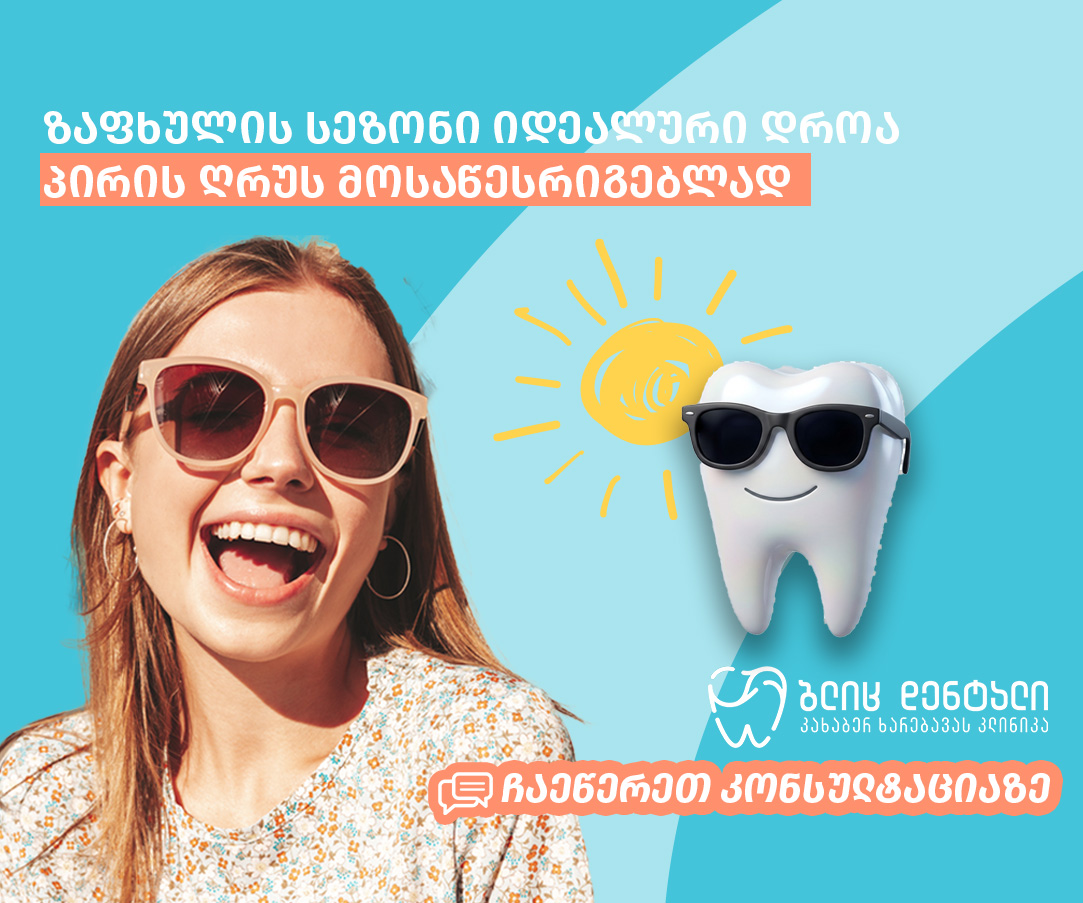
If you are planning dental treatment, summer is one of the best times for it. During the vacation season, scheduling dentist appointments is easier, allowing you to complete your treatment comfortably and on time.
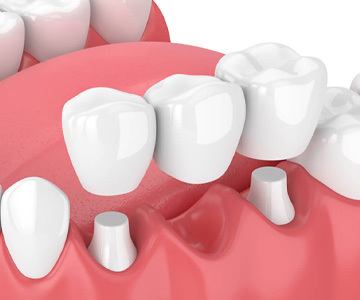
Treatment of edentulism (missing teeth) with a dental bridge is one of the most common and effective methods. A dental bridge allows for the restoration of both chewing function and smile aesthetics. It is a fixed prosthetic construction that is supported by healthy adjacent teeth and fills the space of a missing tooth. In this article, we will discuss what a dental bridge is, the types available, and how the placement process is carried out.
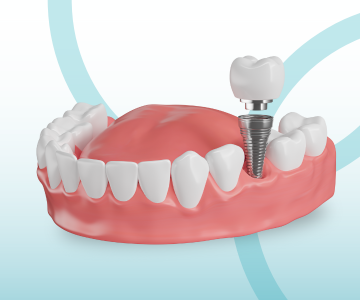
Missing teeth are no longer a problem! Dental implants offer the most advanced, durable, and natural-looking solution for restoring your smile. An implant, together with its crown, mimics a real tooth both aesthetically and functionally-helping you regain confidence, comfort, and a complete smile.

During pregnancy, hormonal changes can cause gum inflammation, bleeding, enamel erosion, and an increased risk of cavities. That’s why visiting the dentist during pregnancy is especially important.
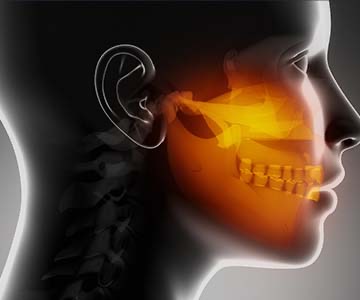
Gnathology is one of the leading branches of 21st-century dentistry. It forms the foundation for any complex dental treatment planning
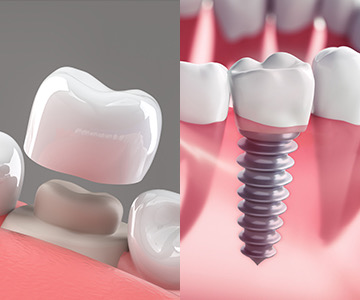
Tooth loss (edentulism) affects not only the appearance of your smile but also the overall functional health of your oral cavity
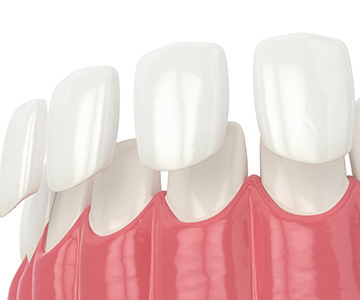
Dental veneers can be made from various materials, but ceramic (porcelain) veneers are the most widely used.
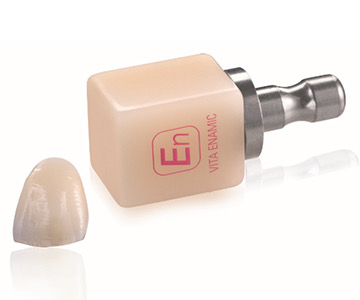
Modern aesthetic and functional dentistry is continually evolving, striving to identify restorative materials that combine exceptional strength

The eruption of baby teeth is one of the most important stages in a child’s early development.
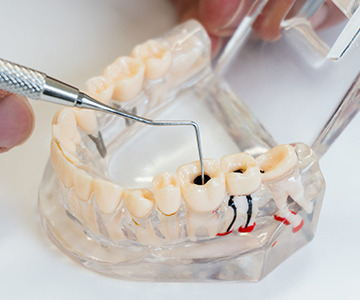
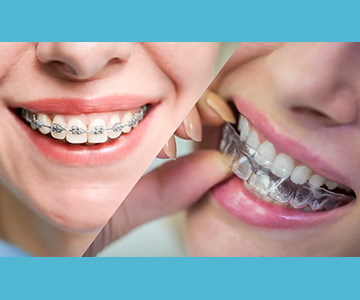
Modern dentistry increasingly emphasizes the importance of orthodontic care.

Oral health care begins long before the first permanent tooth erupts.
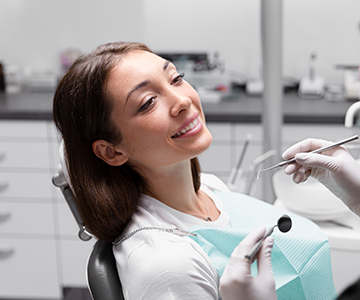
A smile is one of the key elements of a person’s visual identity. It conveys confidence and positivity. However, the beauty of a smile is not only an aesthetic factor—it is directly connected to oral health.
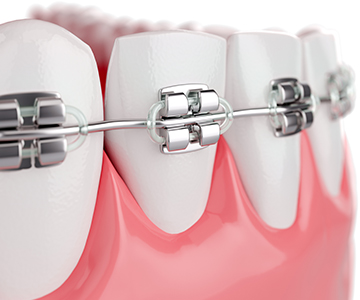
Orthodontic treatment has long gone beyond the limits of traditional metal braces.
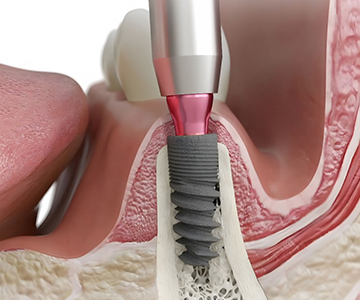
Dental implantation is the best method for restoring missing teeth. However, for the procedure to be successful, the jawbone must have sufficient volume and density.
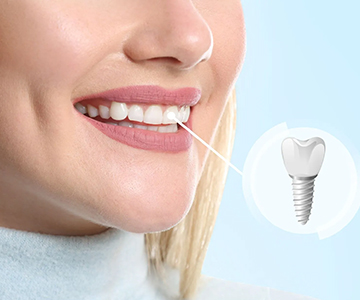
Dental implantation is one of the most effective and safest surgical procedures in modern dentistry for restoring missing teeth.
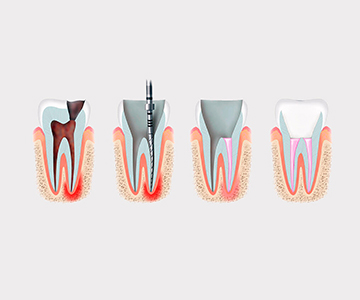
Initial endodontic (root canal) treatment is usually successful and helps preserve the natural tooth.