Full Mouth Rehabilitation with Implants: All-on-4 and All-on-6 Technologies
31 March 2025
Full mouth rehabilitation is a significant advancement in modern dentistry that helps improve patients' quality of life. The development of implantology has enabled the creation of innovative methods such as All-on-4 and All-on-6 technologies. These methods allow patients to restore their chewing ability and achieve an aesthetic smile in a short time. Modern approaches in these technologies minimize recovery time, costs, and trauma, making the implantation process more comfortable.
What Are All-on-4 and All-on-6 Technologies?
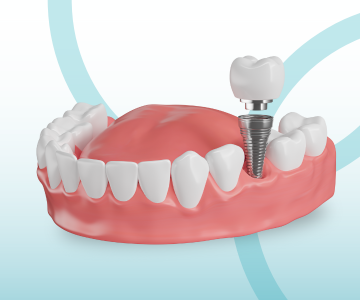
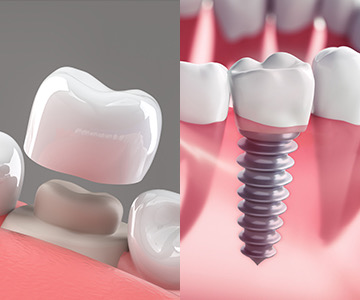
All-on-4 and All-on-6 technologies are innovative implantation approaches that enable the restoration of the upper or lower jaw’s full arch using only four or six implants. Compared to traditional implantation methods, these procedures are more efficient, requiring less bone, allowing for a faster recovery, and being less traumatic for the patient.
The All-on-4 technology involves strategically placing four implants, with two implants positioned in the front and two implants placed at an angle in the back of the jaw. This approach allows patients with minimal bone volume to receive a complete prosthesis without additional bone grafting. The All-on-6 technology, on the other hand, provides a more stable and durable structure by using six implants distributed across the jaw, offering greater support and longevity.
Stages of the Procedure
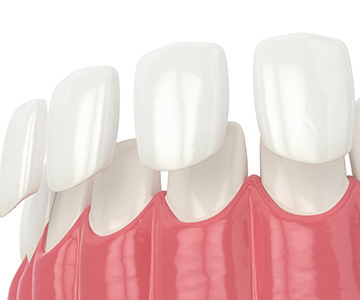
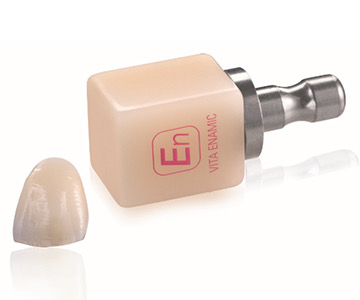
The implantation process begins with a detailed diagnosis, including a CT scan and other examinations. The dentist evaluates the bone volume, discusses the patient’s needs, and develops a treatment plan. The next step involves the surgical placement of implants. Before the procedure, patients can choose between local or general anesthesia to ensure a painless experience. After implant fixation, a temporary prosthesis is often placed, allowing patients to continue their daily lives without interruption. The final prosthesis is fabricated and fixed after the implants fully integrate with the bone, a process that typically takes three to six months. The final prosthesis is usually made of ceramic or zirconia, ensuring a natural look and functionality similar to real teeth.
Advantages of All-on-4 and All-on-6 Technologies
These implantation methods offer numerous benefits to patients. One of the key advantages is the short recovery period, allowing patients to regain their chewing function and smile almost immediately. Additionally, these technologies eliminate the need for bone grafting, which is particularly beneficial for patients with bone loss. The results are not only functionally excellent but also aesthetically natural. Properly maintained implants can last a lifetime, eliminating the need for removable dentures. Compared to traditional implantation, All-on-4 and All-on-6 require fewer implants, reducing costs and making the process more affordable.
Who Is a Candidate for All-on-4 and All-on-6 Implantation?
These methods are recommended for patients who have lost many or nearly all of their teeth. The procedure is particularly beneficial for those seeking a quick and effective solution for dental restoration and for individuals who dislike or cannot use removable dentures. It is crucial that candidates do not have chronic diseases that may interfere with implant integration. However, a specialist will make the final decision based on an individual consultation.
How to Care for Implants?
To ensure the longevity of implants, proper care is essential. This includes daily brushing with a specialized toothbrush, using mouth rinses, attending regular dental check-ups, and avoiding harmful habits such as smoking, which can lead to implant failure. Patients should also maintain good oral hygiene and seek professional care for preventive procedures when necessary.
Conclusion
All-on-4 and All-on-6 technologies play a crucial role in modern dentistry, offering a revolutionary solution for those looking to restore lost teeth quickly, effectively, and with long-lasting results. These methods not only improve quality of life but also boost patients' confidence and comfort in daily life. For those considering this implantation procedure, "Blits Dental – Kakhaber Kharabava’s Clinic" is the best alternative, providing people with not only functional but also aesthetically perfect smiles through advanced technology, ultimately enhancing their social integration and self-esteem.