02 October
To book a visit, sign up for a consultation. To clarify the details, our operator will contact you.
16 April 2025
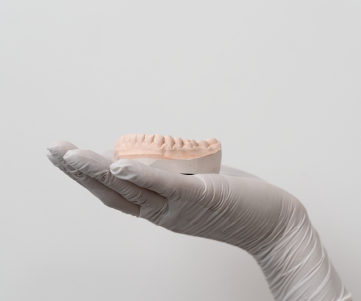
As dental practice evolved, there arose a need for methods that would not only enhance the effectiveness of treatment but also provide patients with clear and visually perceivable previews of their future results. This demand led to the introduction of WAX UP technology, which today is considered one of the key prerequisites for creating a functionally and aesthetically pleasing smile. As the name implies, WAX UP is the process of wax modeling, used before dental prosthetics or aesthetic reconstruction to visually demonstrate the shape and position of a patient's future teeth. Its use began in the late 19th century, but in modern dentistry, it is found in a much more refined and individually tailored technological form.
WAX UP holds a significant place in smile design planning, which is directly related to optimizing dental outcomes. This technology allows the dentist and the patient to jointly review the final result before any actual intervention begins. It is not just a visual model but also a functional prototype that demonstrates how the future prosthesis or reconstruction will perform in real conditions. With WAX UP, it is possible to evaluate gum contours, plan tooth size and spacing, analyze chewing functionality, and predict tongue movement coordination—essential components of successful treatment.
Implementing WAX UP requires close synchronization between clinical and laboratory stages. The process begins with a scan or impression of the patient’s oral cavity, based on which a technician prepares an analog model. Using wax, a prototype of the tooth shape and alignment is created on this model. Constant communication between the dentist and technician is crucial at this stage—the dentist defines the functional and aesthetic criteria, while the technician ensures their visual realization.
It’s important to note that modern dentistry increasingly relies on digital technologies, and this has also influenced the WAX UP process. Traditional manual modeling is gradually being replaced by CAD/CAM systems, through which wax models are created in digital programs. The dentist uses a 3D scanner to capture a digital replica of the patient's teeth and gums, then designs an aesthetic and functional restoration model using specialized software. This model can then be printed with a 3D printer using wax or special photopolymer materials. Digital WAX UP offers even greater precision, which helps ensure higher predictability of treatment outcomes and minimizes clinical errors.
One of the most crucial aspects of dental treatment is managing patient expectations. In this context, WAX UP serves as a powerful communication tool. The patient doesn’t have to rely solely on verbal or written explanations—they can see exactly how their smile will change after treatment. This also brings emotional benefits—the patient feels that the treatment is personalized and tailored to them. It builds trust in the dentist and increases the patient’s commitment to the treatment process, ultimately contributing to a better result.
Modern dentistry is moving increasingly toward treatment personalization, which enhances both functional and aesthetic outcomes and improves treatment predictability. As previously mentioned, WAX UP is a critical component that integrates clinical, laboratory, and psychological elements. Creating a desired smile using this technology is made possible at Blits Dental – Kakhaber Kharebava Clinic, where the use of modern technology not only improves treatment quality but also reduces risks and sets clear expectations, thereby strengthening communication between patient and doctor.
In the age of digital evolution, WAX UP continues to develop, meaning it will become even more deeply integrated into dental algorithms in the future—whether for orthodontic correction, implant planning, or complete aesthetic reconstruction—all of which our clinic consistently incorporates into its innovative approach.
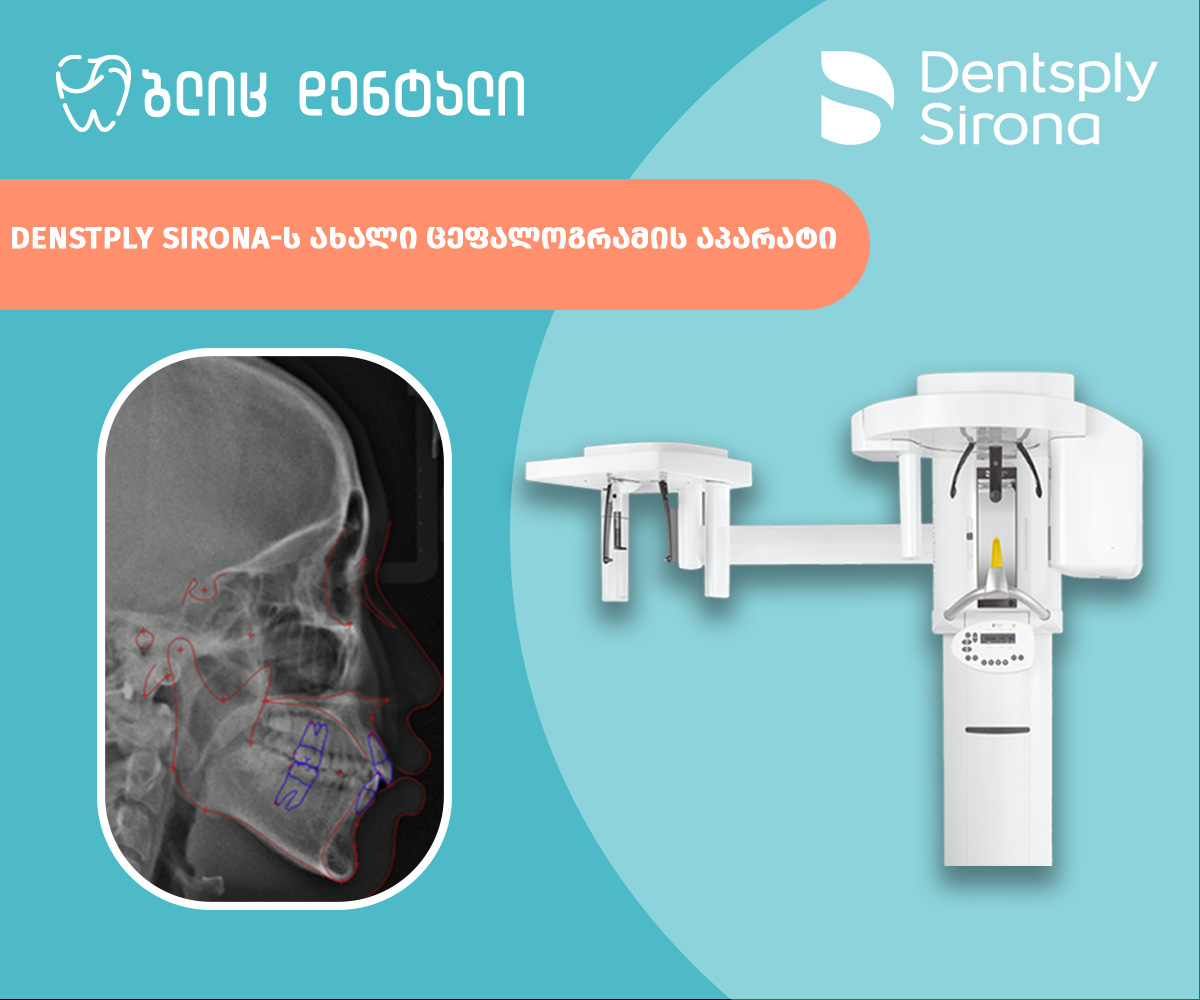
https://blitsdental.com/en/visit/consultation/blogOrthodontic treatment is not limited to straightening teeth. To achieve a beautiful, functional smile, an orthodontist needs to assess the relationship between the teeth, the upper and lower jaws, the skeletal structures of the face, and the surrounding soft tissues.

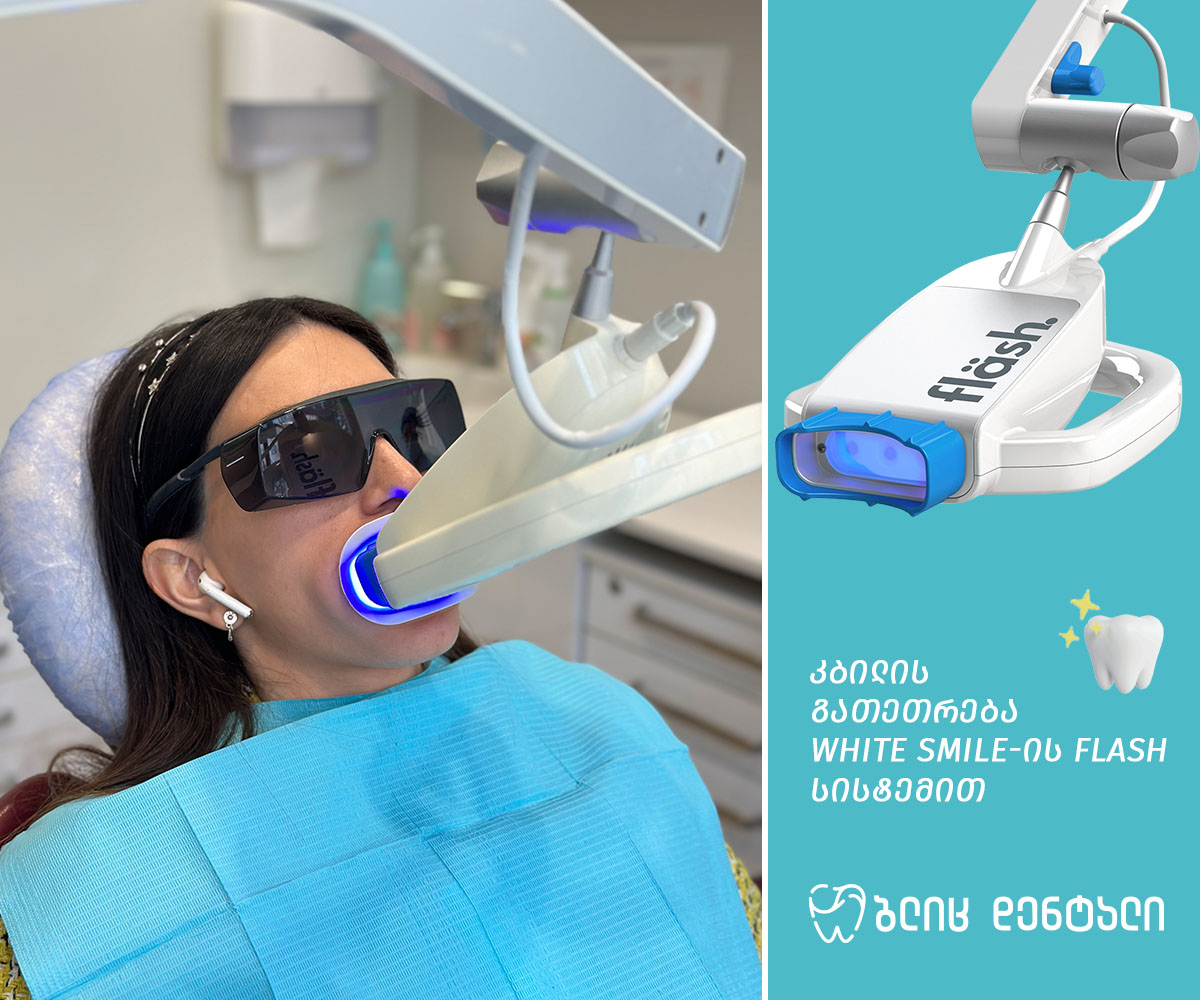
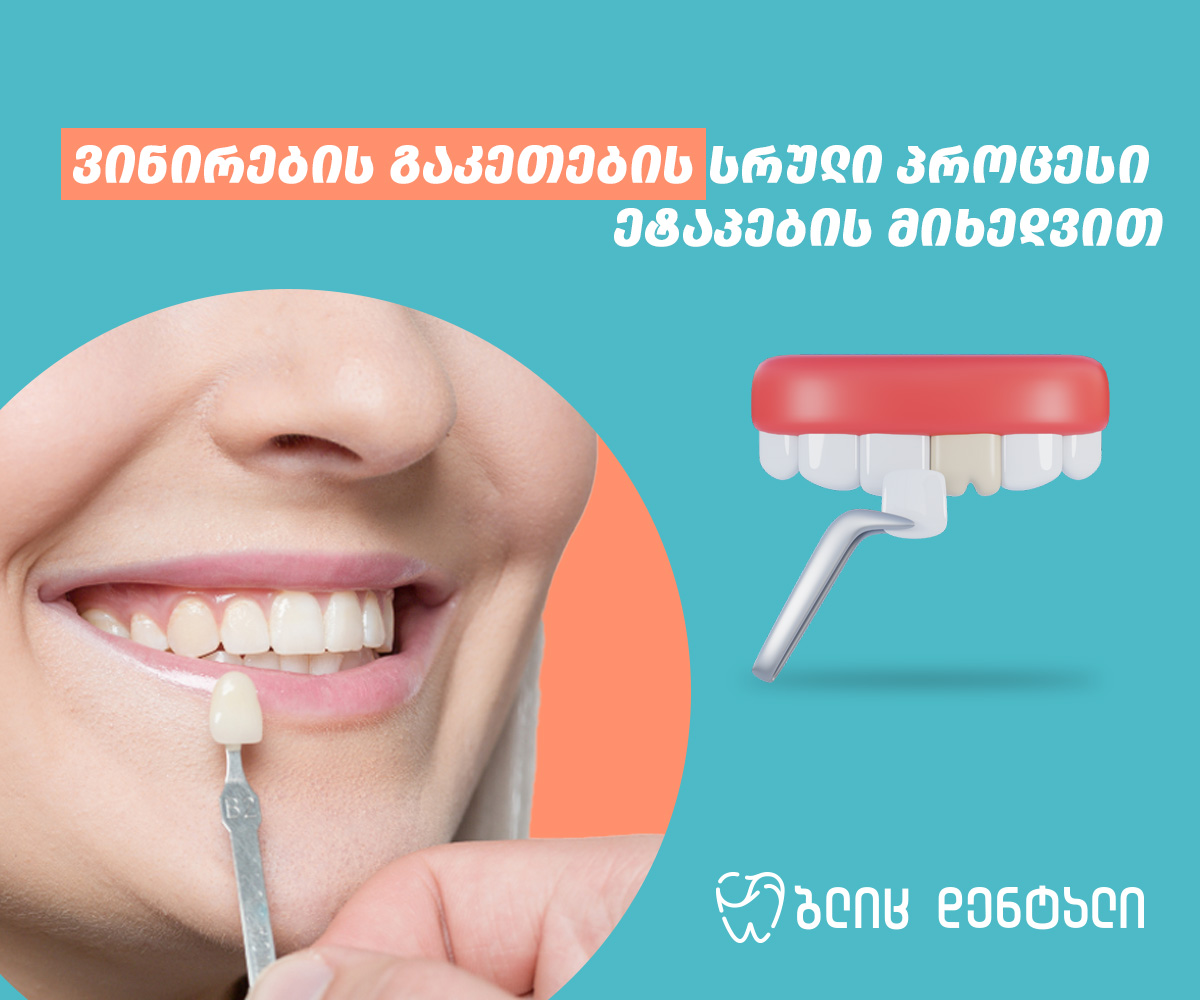

Braces are one of the most common orthodontic methods for straightening teeth and correcting bite alignment. Modern braces differ in terms of materials, appearance, and the way they work. But how do you choose the right system for you, and how long does the treatment take?
If you are planning dental treatment, summer is one of the best times for it. During the vacation season, scheduling dentist appointments is easier, allowing you to complete your treatment comfortably and on time.
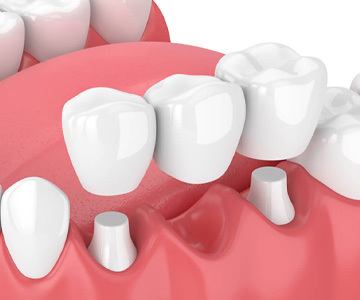
Treatment of edentulism (missing teeth) with a dental bridge is one of the most common and effective methods. A dental bridge allows for the restoration of both chewing function and smile aesthetics. It is a fixed prosthetic construction that is supported by healthy adjacent teeth and fills the space of a missing tooth. In this article, we will discuss what a dental bridge is, the types available, and how the placement process is carried out.
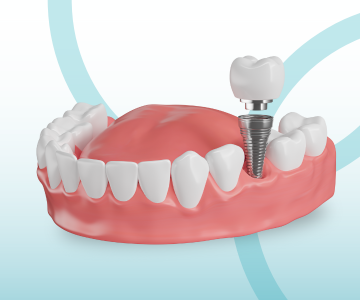
Missing teeth are no longer a problem! Dental implants offer the most advanced, durable, and natural-looking solution for restoring your smile. An implant, together with its crown, mimics a real tooth both aesthetically and functionally-helping you regain confidence, comfort, and a complete smile.
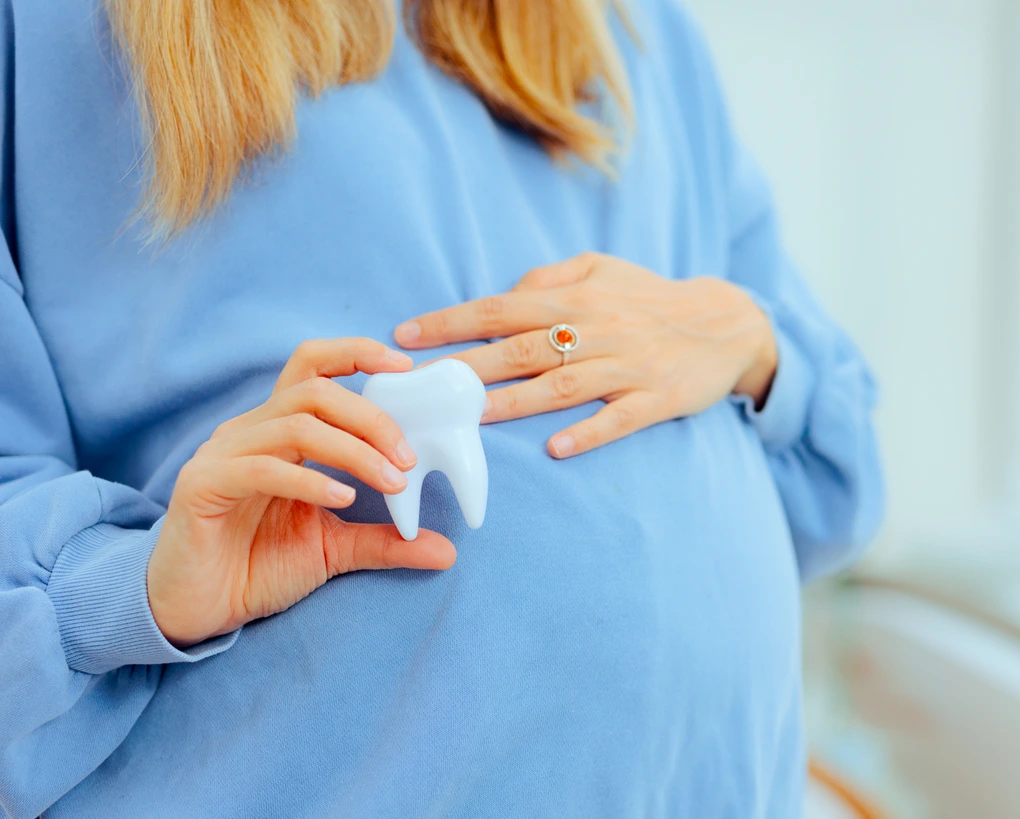
During pregnancy, hormonal changes can cause gum inflammation, bleeding, enamel erosion, and an increased risk of cavities. That’s why visiting the dentist during pregnancy is especially important.
Gnathology is one of the leading branches of 21st-century dentistry. It forms the foundation for any complex dental treatment planning
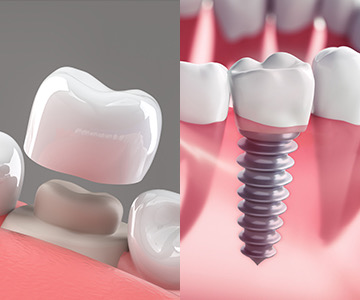
Tooth loss (edentulism) affects not only the appearance of your smile but also the overall functional health of your oral cavity
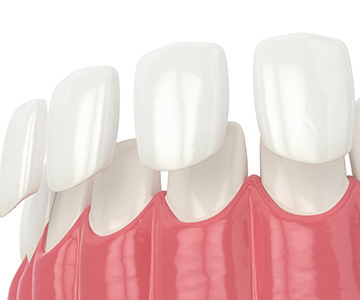
Dental veneers can be made from various materials, but ceramic (porcelain) veneers are the most widely used.
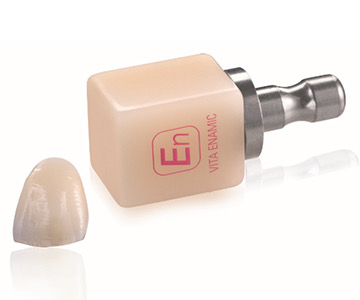
Modern aesthetic and functional dentistry is continually evolving, striving to identify restorative materials that combine exceptional strength

The eruption of baby teeth is one of the most important stages in a child’s early development.
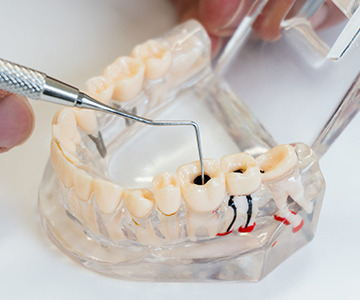
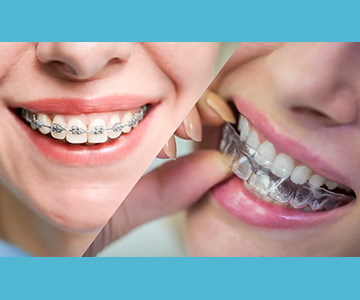
Modern dentistry increasingly emphasizes the importance of orthodontic care.
Oral health care begins long before the first permanent tooth erupts.
A smile is one of the key elements of a person’s visual identity. It conveys confidence and positivity. However, the beauty of a smile is not only an aesthetic factor—it is directly connected to oral health.