How to Maintain Teeth Whitening Results in the Long Term
24 April 2025
The Physiological Nature of Whitening Results and Their Temporary Effect
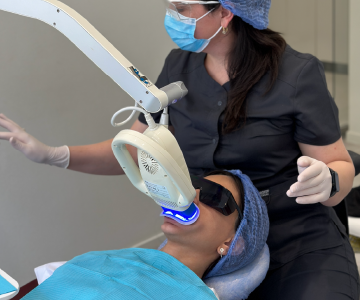
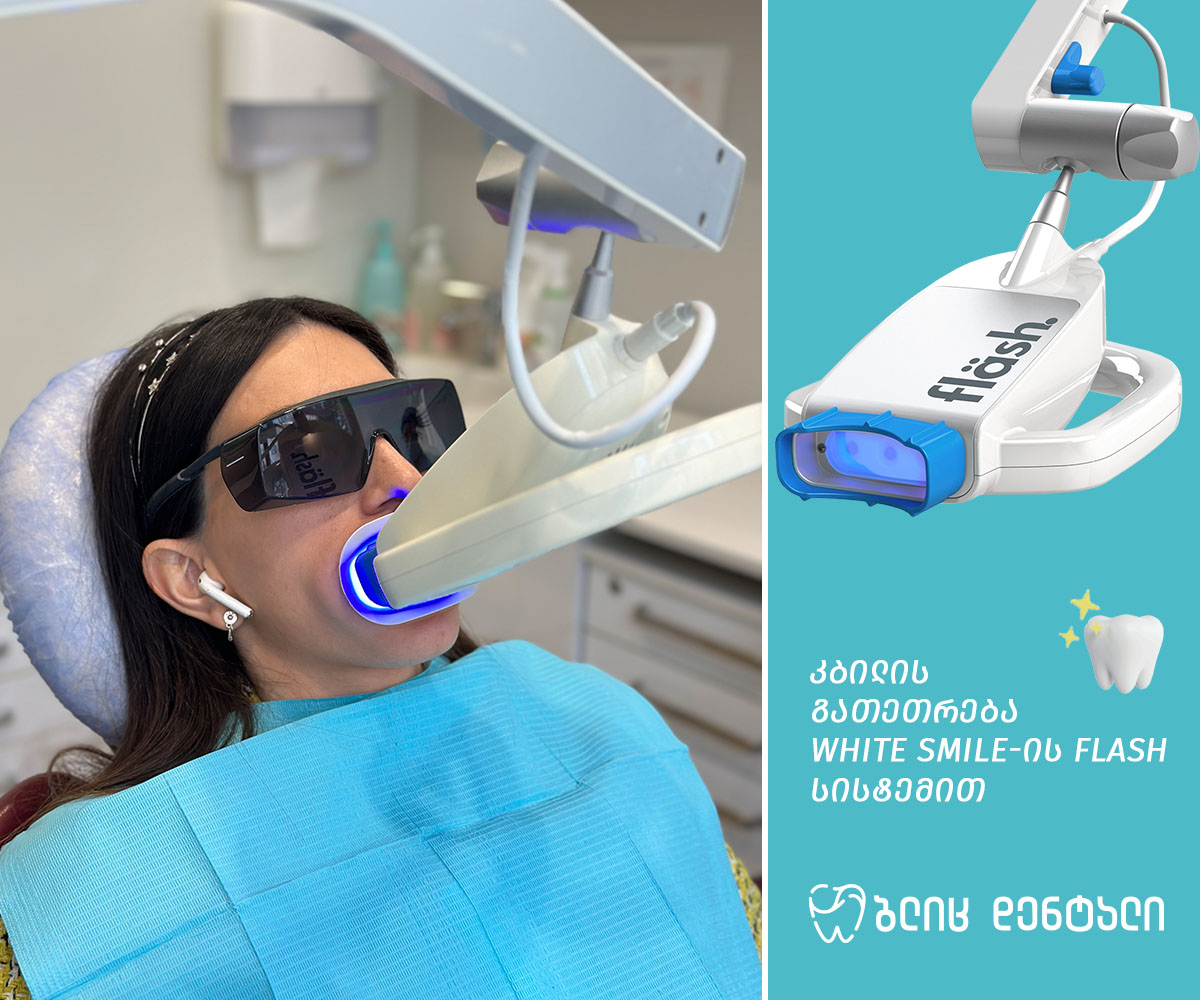
Teeth whitening is currently one of the most common aesthetic procedures aimed at visually enhancing a smile. Although modern whitening technologies—whether it's the Zoom method, laser whitening, or home-based natural remedies—are quite effective, their results are not permanent. During the whitening process, oxidative mechanisms break down organic pigments inside the tooth structure, which creates a visibly brighter appearance. However, due to the porous nature of tooth enamel, it can easily reabsorb pigmented substances, naturally leading to gradual discoloration over time.
Eating Habits and Reducing the Risk of Pigmentation
The most critical factor in maintaining whitening results is dietary behavior. Foods and beverages with high pigment content—especially coffee, tea, red wine, cola, soy sauce, and certain spices (like curry and paprika)—have a negative impact on enamel. During the first two weeks after whitening, the teeth are particularly sensitive to pigments, so it’s essential to completely avoid highly staining foods during this time. Even in the long run, it’s recommended to reduce consumption of such items or use techniques that minimize contact with teeth—for example, drinking tea or coffee through a straw to reduce enamel exposure. Additionally, using water-based mouth rinses immediately after consuming dark-colored foods and drinks helps to mechanically remove pigments.
The Impact of Smoking and Nicotine Pigmentation
Smoking is the most relentless enemy of whitening results. Nicotine and tar compounds bind instantly to the tooth surface, creating yellow-brown staining and accelerating the accumulation of new pigments. Continuing to smoke after whitening can undo the results within just a few weeks. Beyond color changes, smoking also affects the gums, increasing the risk of further oral health issues. For this reason, dentists strongly recommend temporarily or permanently quitting smoking after a whitening procedure. Active smokers are advised to follow a personalized hygiene maintenance plan to help preserve the results.
The Importance of Daily Oral Hygiene
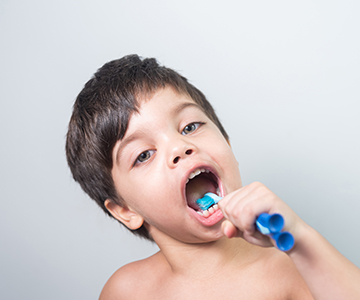
Maintaining whitening results depends heavily on consistent and properly managed oral hygiene. After whitening, it's particularly beneficial to use enamel-strengthening toothpaste that contains calcium and fluoride compounds—these help reinforce tooth structure and prevent pigment penetration. Using an electric or ultrasonic toothbrush is also recommended for more effective removal of surface stains. Additionally, daily cleaning of the tongue and gums is crucial, as these areas often harbor pigment residues. For added protection, antiseptic mouth rinses can help prevent bacterial biofilm formation and neutralize acidic conditions in the mouth.
Frequency and Control of Professional Cleanings
Another essential component is scheduling regular professional cleanings with your dentist. Around 3–6 months after whitening, your dentist should assess the stability of the results and, if needed, perform preventive cleaning procedures such as scaling and air polishing. These remove surface pigments and restore natural brightness. For patients who have limited control over their diet or are biochemically prone to pigment accumulation, additional whitening sessions may be necessary—but only under professional supervision to avoid excessive enamel decalcification.
Natural Recommendations and the “White Diet”
There are natural methods that can help preserve whitening results while minimizing damage to enamel. One such method is the “white diet,” which consists of light-colored, low-pigment foods such as white meat, rice, cauliflower, bananas, dairy products, and water. While this diet is intended for short-term use (typically 1–2 weeks after whitening), its effect on maintaining brightness is significant. Regular hydration with clean water also helps stimulate saliva production and mineralization, naturally cleansing the teeth of bacteria and pigments.
Conclusion: A Strategic Approach to Long-Term Aesthetic Results
It's important to remember that whitening is not the final step, but rather the beginning of a lifestyle tailored to preserving a long-lasting smile. This requires a combination of dietary adjustments, disciplined oral hygiene, dental monitoring, and the elimination of negative habits. Blits Dental – Kakhaber Kharebava’s Clinic not only offers the latest whitening technologies but also provides a complete strategic plan for maintaining results. This approach allows patients to integrate aesthetic improvements into their daily lives—ensuring that the outcome lasts not just for weeks, but for years.