02 October
To book a visit, sign up for a consultation. To clarify the details, our operator will contact you.
30 April 2025
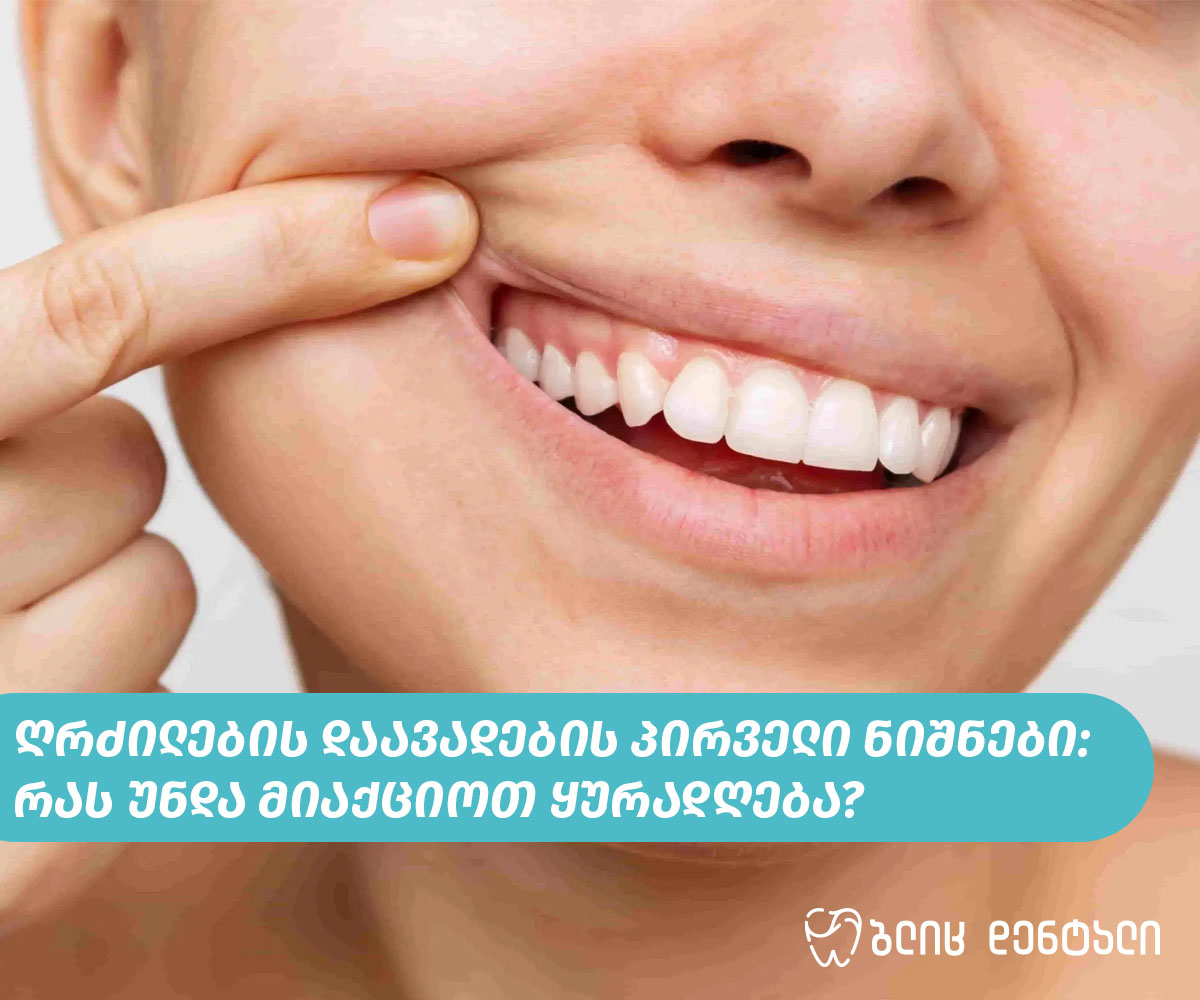
Smile aesthetics is a branch of dental science that goes far beyond analyzing tooth shape and color. In modern paradigms, the condition and contour of the gums play a decisive role in how a smile is perceived. The gums form the "natural frame" for the teeth, directly influencing how harmonious a smile appears, both functionally and visually. Any imbalance—such as hyperplasia, recession, or asymmetrical contours—can significantly alter a patient’s aesthetic profile and often leads to psycho-emotional discomfort. For this reason, gum plastic surgery has become an essential field of dentistry, encompassing both surgical and laser technologies, and serving not only to restore oral health but also to achieve visual perfection.
Gum plastic surgery includes a variety of surgical and semi-invasive procedures aimed at correcting the volume and contour of gum tissue. These procedures fall into two primary categories: augmentative (addition) and reductive (reduction).
Augmentative procedures are used in cases of gum recession, where the gum tissue recedes and exposes part of the tooth root. Treatment may involve a gum graft taken from the patient’s own palatal tissue or the use of a collagen biomatrix to support tissue regeneration.
Reductive plastic surgery is performed when excessive gum tissue covers part of the tooth, making the tooth appear smaller — a condition commonly referred to as a “gummy smile.” This is often both an aesthetic and anatomical issue. In such cases, excess tissue is removed either via laser or traditional surgical methods to create a symmetrical and biologically optimal tooth-gum contour.
The integration of laser technology into gum plastic surgery has been revolutionary. Lasers allow for exceptional precision, minimal trauma to surrounding tissues, and virtually pain-free procedures. In aesthetic dentistry, erbium and diode lasers are most commonly used. These allow for precise reshaping of the gum surface without active bleeding and greatly reduce the risk of post-operative infection.
Laser methods are especially effective in reductive procedures aimed at increasing the visible clinical crown of the tooth. The procedure is typically completed in a single session, is painless, and requires little to no recovery time. Laser-treated tissue heals rapidly, providing maximum comfort and convenience for the patient.
Gum plastic surgery is often not a stand-alone intervention but rather a critical component of comprehensive treatment plans. During orthodontic treatment, gum tissue may be subjected to mechanical stress, sometimes resulting in recession or loss of contour. In such cases, gum plastic surgery acts as a reconstructive tool, stabilizing the new anatomical positioning and ensuring a uniform smile line.
Similarly, in implantology, gum plastic surgery is essential to achieving successful integration and aesthetic symmetry around the implant. An ideal gingival contour creates a "natural illusion" around the implant and supports long-term functional and visual stability. Without gum contouring, the crestal portion of the implant may remain exposed, severely compromising the aesthetic outcome.
Planning gum plastic surgery requires a highly individualized approach based on the patient's facial anatomy, smile line, and tooth proportions. A harmonious smile demands that the gum line follows the upper lip contour in such a way that both teeth and gums create a unified, flowing visual impression.
Key considerations include gum symmetry, the height of the gums on each tooth, the shape of interdental papillae, and overall color harmony. Modern software tools allow for digital smile simulations that help both the dentist and patient visualize the expected results. Without an individualized approach, gum plastic surgery risks becoming a superficial intervention with no lasting aesthetic or functional impact.
To maintain the long-term results of gum plastic surgery, patients must follow a specific care protocol. Post-operative care includes the use of antibacterial mouth rinses, soft-bristled toothbrushes, and dietary modifications — avoiding spicy, acidic, overly hot or cold foods. Equally important is regular professional monitoring of tissue regeneration, microflora, and necessary minor corrections.
Without proper follow-up care, there's a risk of tissue relapse or contraction, which can lead to visual imbalance. However, with proper maintenance and professional oversight, the results remain stable, preserving the smile’s long-term aesthetic integrity.
In modern dentistry, gum plastic surgery has become not only a corrective tool but also an essential aesthetic intervention. It allows for the refinement of the smile line, improvement of tooth proportions, and restoration of smile integrity — even in cases where traditional methods fall short. When combined with modern technology and a carefully individualized treatment plan, gum plastic surgery becomes one of the safest and most effective ways to perfect a smile.
At Blits Dental – Kakhaber Kharabava’s clinic, this procedure brings together dental science, surgical expertise, and aesthetic analysis into a single strategic framework, all with the goal of creating a healthy and long-lasting beautiful smile
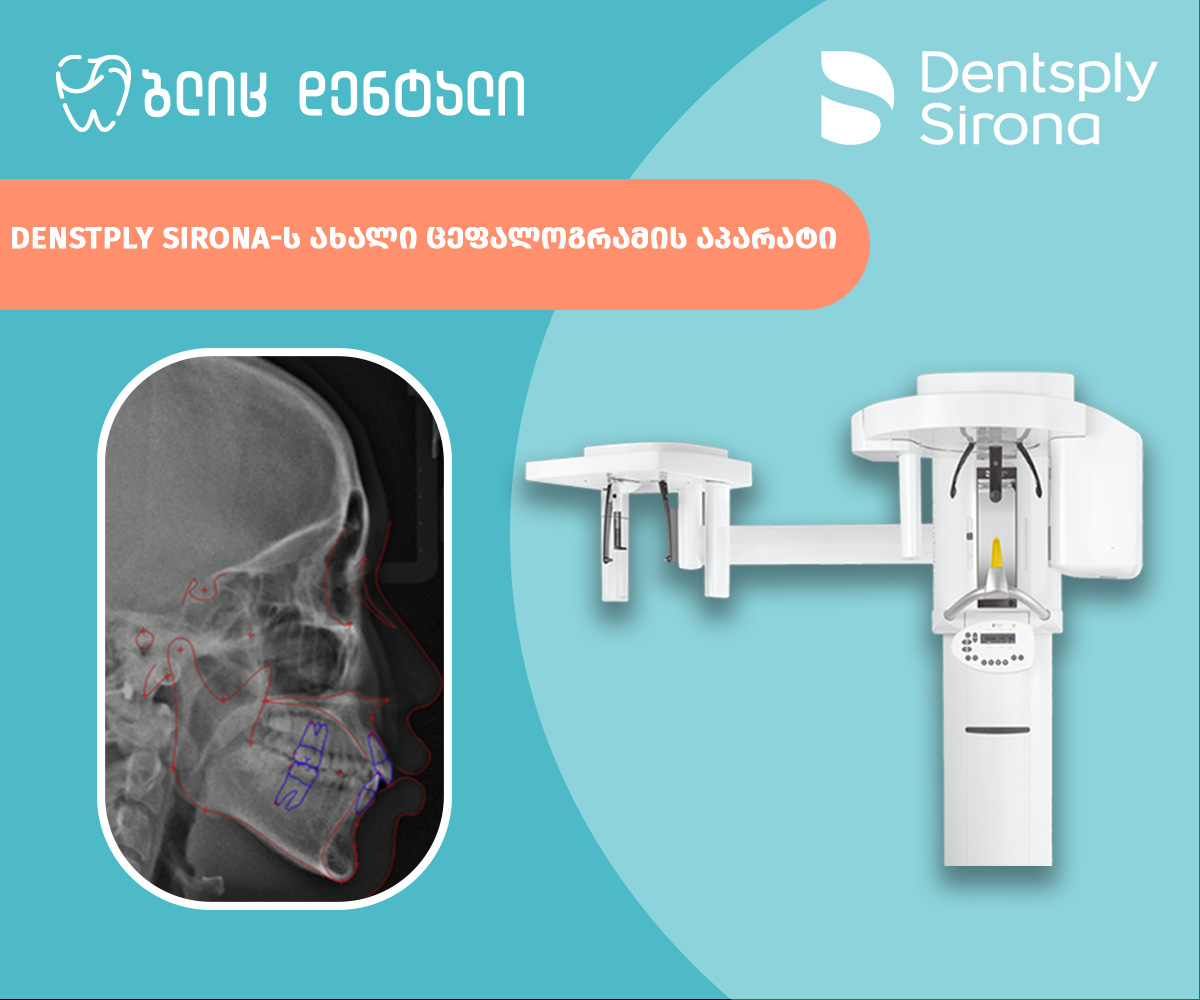
https://blitsdental.com/en/visit/consultation/blogOrthodontic treatment is not limited to straightening teeth. To achieve a beautiful, functional smile, an orthodontist needs to assess the relationship between the teeth, the upper and lower jaws, the skeletal structures of the face, and the surrounding soft tissues.


Braces are one of the most common orthodontic methods for straightening teeth and correcting bite alignment. Modern braces differ in terms of materials, appearance, and the way they work. But how do you choose the right system for you, and how long does the treatment take?
If you are planning dental treatment, summer is one of the best times for it. During the vacation season, scheduling dentist appointments is easier, allowing you to complete your treatment comfortably and on time.
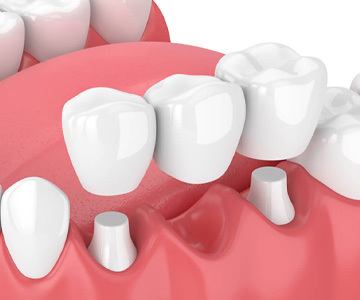
Treatment of edentulism (missing teeth) with a dental bridge is one of the most common and effective methods. A dental bridge allows for the restoration of both chewing function and smile aesthetics. It is a fixed prosthetic construction that is supported by healthy adjacent teeth and fills the space of a missing tooth. In this article, we will discuss what a dental bridge is, the types available, and how the placement process is carried out.
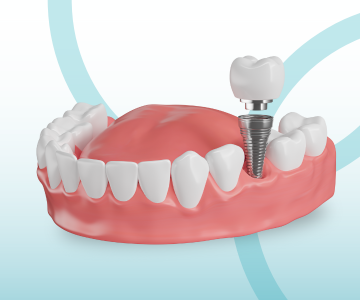
Missing teeth are no longer a problem! Dental implants offer the most advanced, durable, and natural-looking solution for restoring your smile. An implant, together with its crown, mimics a real tooth both aesthetically and functionally-helping you regain confidence, comfort, and a complete smile.
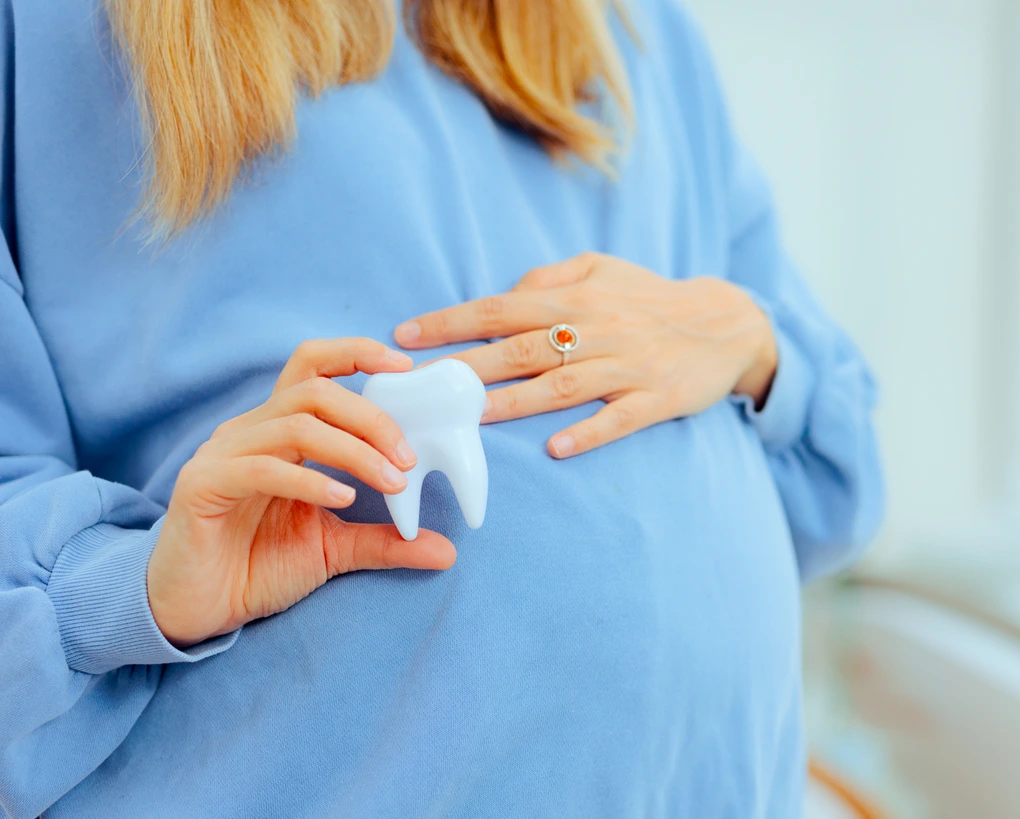
During pregnancy, hormonal changes can cause gum inflammation, bleeding, enamel erosion, and an increased risk of cavities. That’s why visiting the dentist during pregnancy is especially important.
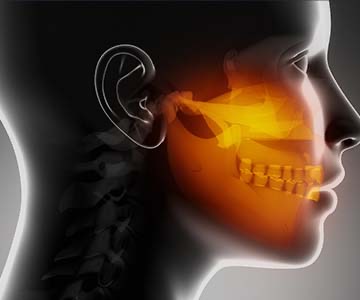
Gnathology is one of the leading branches of 21st-century dentistry. It forms the foundation for any complex dental treatment planning
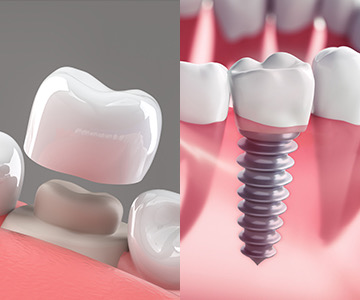
Tooth loss (edentulism) affects not only the appearance of your smile but also the overall functional health of your oral cavity
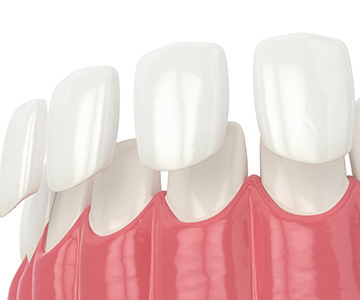
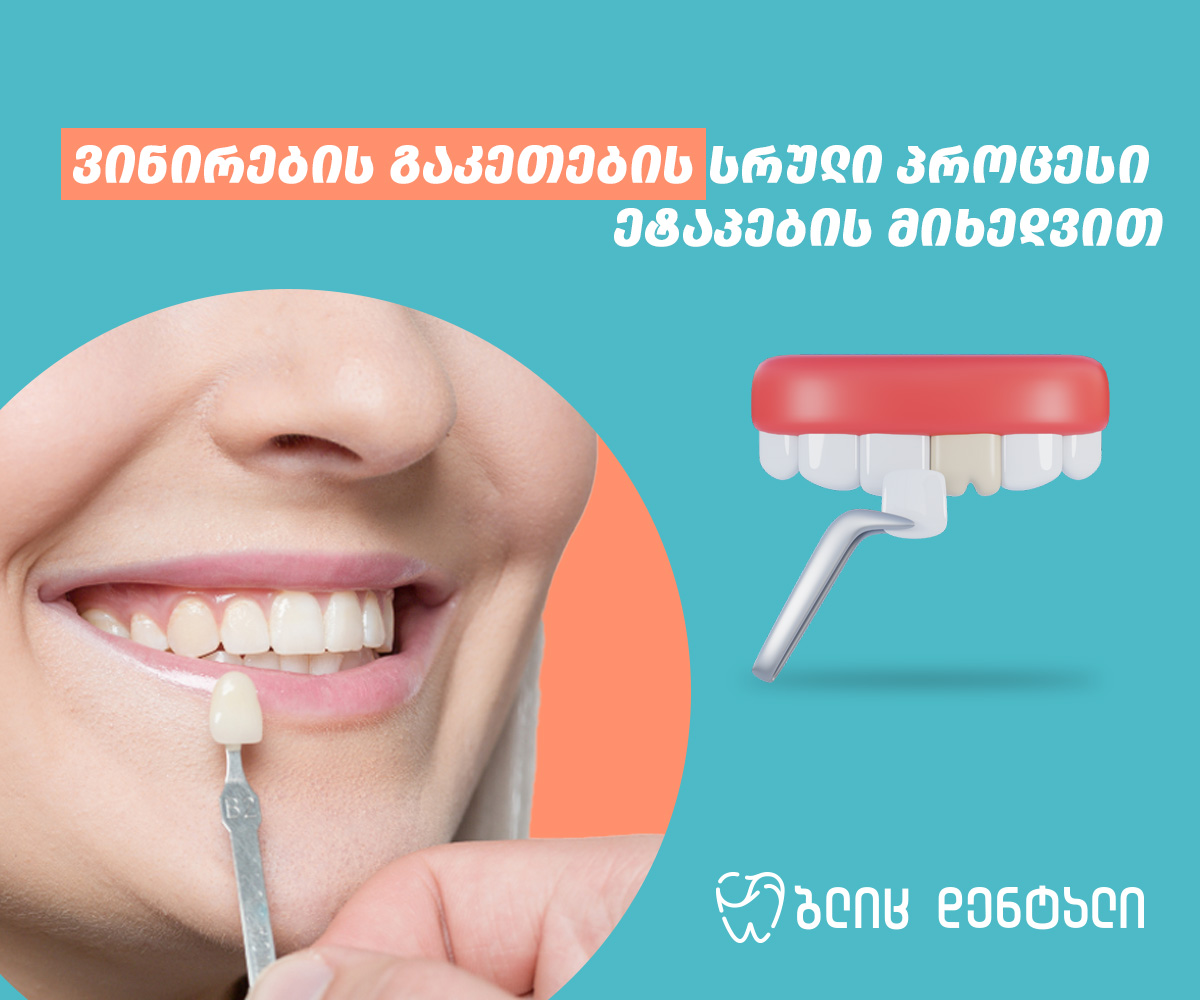
Dental veneers can be made from various materials, but ceramic (porcelain) veneers are the most widely used.
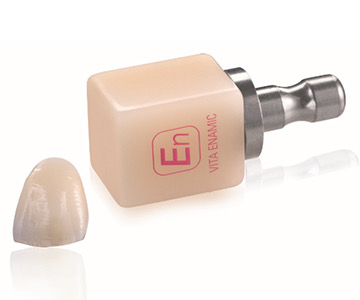
Modern aesthetic and functional dentistry is continually evolving, striving to identify restorative materials that combine exceptional strength

The eruption of baby teeth is one of the most important stages in a child’s early development.
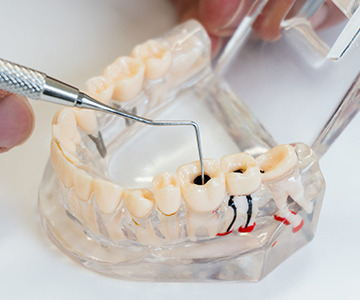
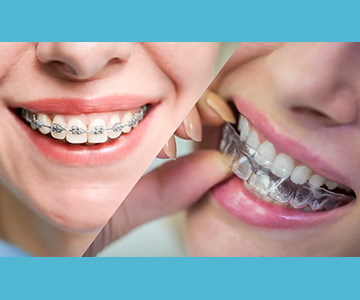
Modern dentistry increasingly emphasizes the importance of orthodontic care.

Oral health care begins long before the first permanent tooth erupts.
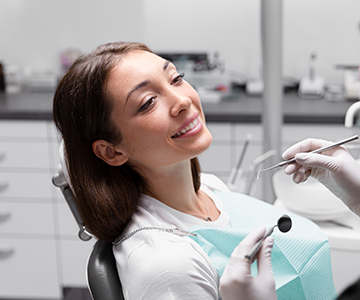
A smile is one of the key elements of a person’s visual identity. It conveys confidence and positivity. However, the beauty of a smile is not only an aesthetic factor—it is directly connected to oral health.