02 October
To book a visit, sign up for a consultation. To clarify the details, our operator will contact you.

13 May 2025
Contents
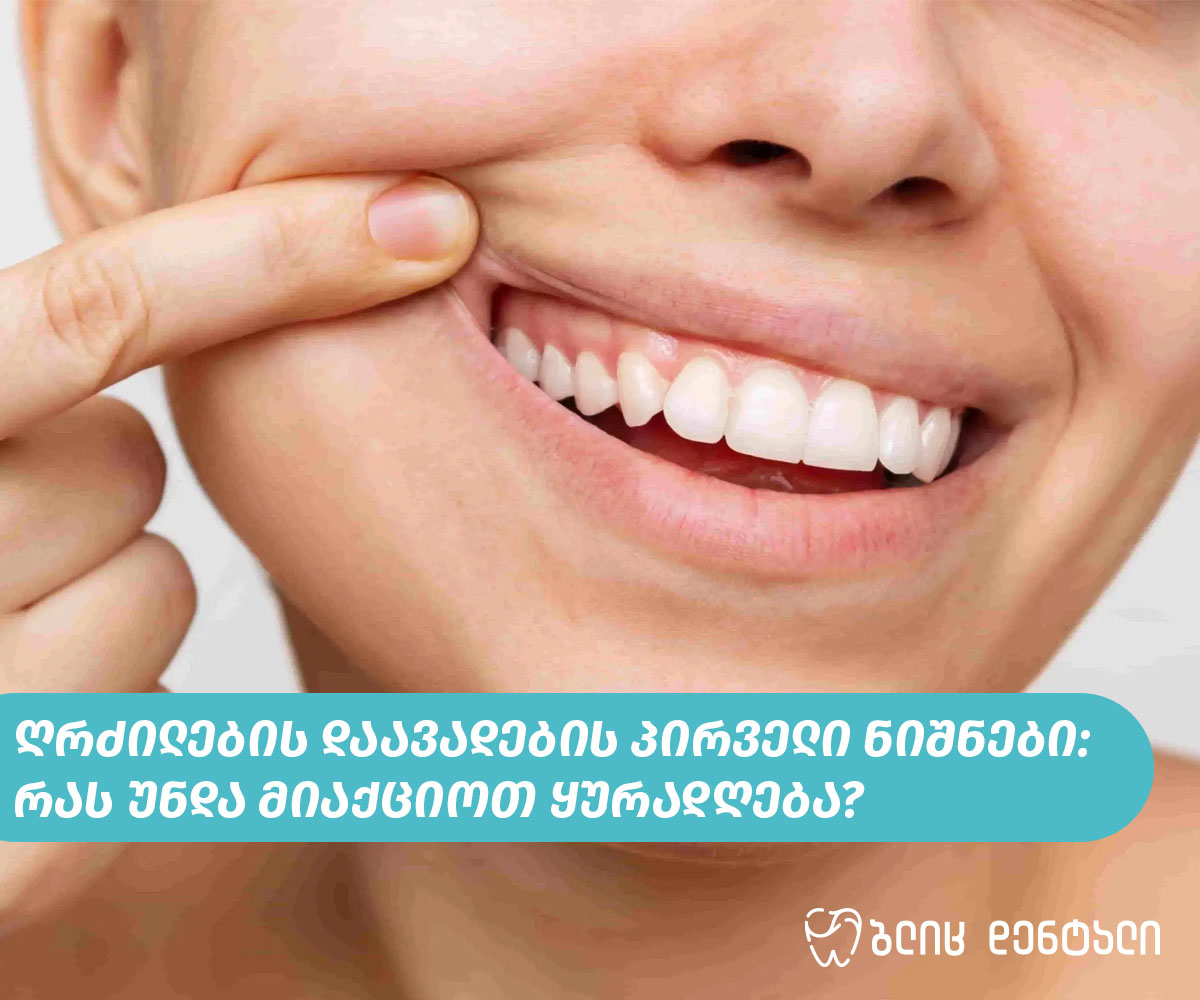
Toothache is one of the most intense and unpleasant sensations that can seriously disrupt daily routines—eating, speaking, and quality sleep. The intensity of the pain may range from mild to unbearable, and neglecting it often leads to serious complications. In this article, we will discuss the causes of toothache, methods of temporary relief, and the importance of professional treatment at Blits Dental – Kakhaber Kharebava Clinic.
Toothache is not merely a discomfort – it is a signal indicating that something is wrong in the oral cavity. There are numerous causes of toothache, the most common of which is caries. When bacteria accumulate on the tooth surface and form plaque, they release acids that destroy the enamel and form cavities. If caries progresses and reaches the pulp (nerve tissue), it causes acute pain. Timely Treatment of caries is essential to avoid complications.
Pulpitis, or inflammation of the dental nerve, is a consequence of caries. When the infection reaches the pulp, an inflammatory process begins, causing severe, pulsating pain that may intensify when consuming hot or cold food.
Periodontitis is a gum disease that affects the soft tissues and bone surrounding the teeth. It is caused by poor oral hygiene, which leads to bacterial accumulation and subsequent inflammation. Periodontitis may manifest as toothache, bleeding gums, and swelling.
Tooth cracks and fractures may occur due to chewing hard foods, trauma, or teeth grinding. These injuries cause tooth sensitivity and pain, particularly during chewing or with temperature changes.
Tooth sensitivity is often caused by the exposure of dentin (the tissue beneath the enamel). This can develop due to gum recession, aggressive brushing, or frequent consumption of acidic foods. Sensitivity manifests as a sharp, short-term pain when consuming cold, hot, or sweet foods.
A tooth abscess is a purulent infectious condition that develops around the root of the tooth. It causes severe, throbbing pain, swelling, fever, and general weakness. An abscess is a serious condition and requires immediate dental attention.
Bruxism, or teeth grinding during sleep or under stress, often causes toothache, jaw muscle tension, and headaches. Long-term bruxism can lead to tooth wear and fractures.
Sinusitis, surprisingly, often causes pain in the upper teeth, as the sinuses are located above the roots of the upper teeth. The pressure from inflamed sinuses can be perceived as tooth pain.
Toothache relief is a temporary measure that simply reduces discomfort until a dental visit is possible. Here are a few effective methods that may help ease the pain temporarily:
Non-steroidal anti-inflammatory drugs (aspirin, ibuprofen) effectively reduce inflammation and relieve pain. These medications should be taken as directed and not applied directly to the painful area (as this may cause burns to the mucous membrane).
Rinsing with saltwater is an effective method for reducing infection and cleansing the mouth. Prepare a solution (one teaspoon of salt in a glass of warm water) and rinse your mouth for 30 seconds.
Peppermint oil contains menthol, which has natural anesthetic properties. Apply a small amount to a cotton swab and place it on the painful area. This will create a cooling sensation and temporarily ease the pain.
Clove oil contains eugenol, which has anesthetic and antibacterial properties. Apply a small amount to a cotton swab and place it on the painful tooth. Note that this method should not be used frequently or for prolonged periods.
A cold compress can help reduce swelling and inflammation. Wrap ice cubes in a towel and place it on the cheek near the painful tooth for 15–20 minutes.
Garlic has antibacterial properties and may help relieve pain. Crush a clove of garlic and place it on the affected tooth. However, note that garlic may cause a burning sensation and discomfort.
Although these methods may provide temporary relief, they do not cure the underlying cause of the toothache. Therefore, it is essential to consult a dentist, especially if the pain is severe or lasts more than 1–2 days.
Effective treatment of toothache is only possible with the help of a professional dentist who will determine the exact cause of the pain and select the optimal treatment method. Blits Dental – Kakhaber Kharebava Clinic offers modern and effective methods for treating toothache:
Treatment of caries involves removing the damaged tissue and filling the tooth. Our clinic uses high-quality, aesthetic filling materials that blend perfectly with your natural teeth and are highly durable.
Endodontic treatment (root canal therapy) is necessary when the infection reaches the tooth pulp. The procedure includes removing the damaged nerve, cleaning and disinfecting the canals, and filling them. At our clinic, endodontic treatment is performed painlessly using modern technologies.
Periodontal treatment is used for treating gum diseases. It includes professional cleaning, removal of subgingival plaque, and sometimes surgical intervention. Our specialists offer individualized treatment plans for periodontitis tailored to your needs.
Tooth extraction is used in extreme cases when preserving the tooth is no longer possible. At our clinic, extractions are performed using atraumatic techniques and effective anesthesia, minimizing discomfort.
Tooth prosthetics are essential for restoring lost teeth. Our clinic offers implants, bridges, and removable dentures made from modern materials and technologies.
At Blits Dental – Kakhaber Kharebava Clinic, toothache treatment is carried out with an individual approach, considering patient comfort and safety. Our experienced dentists use innovative methods and equipment to promptly identify the cause of the pain and treat it effectively.
Toothache is not just a discomfort—it may be a sign of a serious problem that should not be ignored. A timely visit to the dentist will help prevent complications and preserve a healthy smile. Blits Dental – Kakhaber Kharebava Clinic is ready to help you fight toothache with effective approaches in a modern and comfortable environment. Your aesthetic and healthy smile is our top priority!
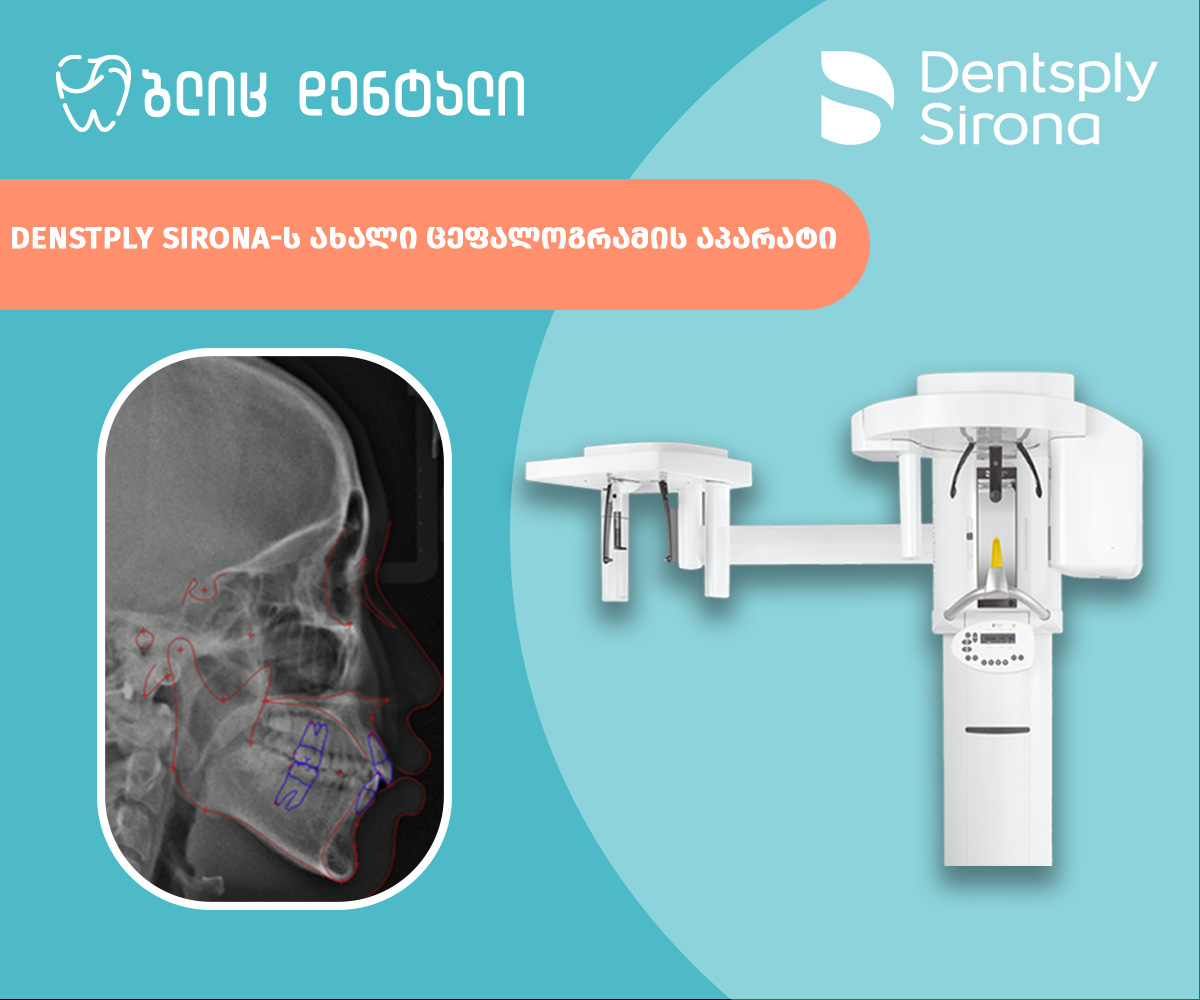
https://blitsdental.com/en/visit/consultation/blogOrthodontic treatment is not limited to straightening teeth. To achieve a beautiful, functional smile, an orthodontist needs to assess the relationship between the teeth, the upper and lower jaws, the skeletal structures of the face, and the surrounding soft tissues.


Braces are one of the most common orthodontic methods for straightening teeth and correcting bite alignment. Modern braces differ in terms of materials, appearance, and the way they work. But how do you choose the right system for you, and how long does the treatment take?
If you are planning dental treatment, summer is one of the best times for it. During the vacation season, scheduling dentist appointments is easier, allowing you to complete your treatment comfortably and on time.
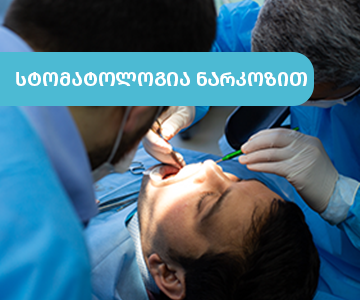
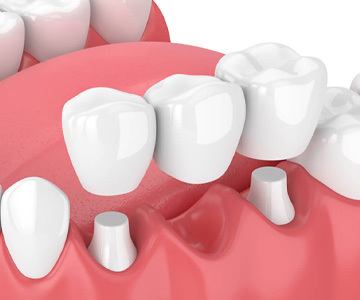
Treatment of edentulism (missing teeth) with a dental bridge is one of the most common and effective methods. A dental bridge allows for the restoration of both chewing function and smile aesthetics. It is a fixed prosthetic construction that is supported by healthy adjacent teeth and fills the space of a missing tooth. In this article, we will discuss what a dental bridge is, the types available, and how the placement process is carried out.
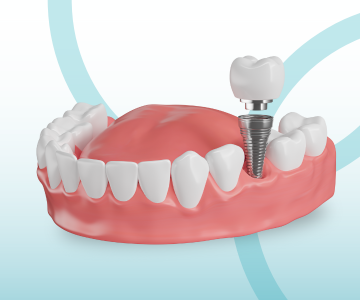
Missing teeth are no longer a problem! Dental implants offer the most advanced, durable, and natural-looking solution for restoring your smile. An implant, together with its crown, mimics a real tooth both aesthetically and functionally-helping you regain confidence, comfort, and a complete smile.
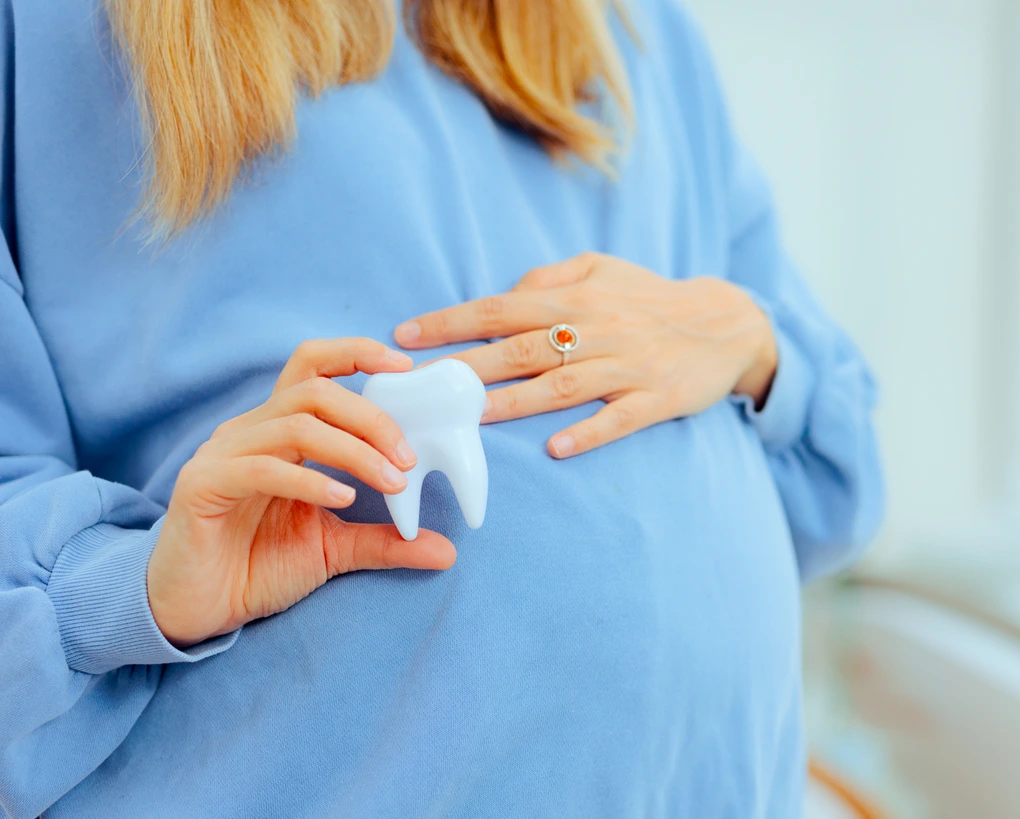
During pregnancy, hormonal changes can cause gum inflammation, bleeding, enamel erosion, and an increased risk of cavities. That’s why visiting the dentist during pregnancy is especially important.
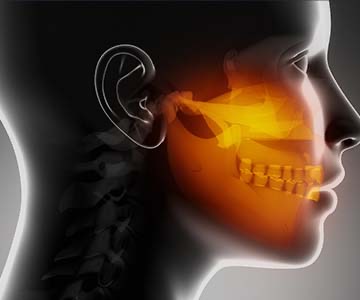
Gnathology is one of the leading branches of 21st-century dentistry. It forms the foundation for any complex dental treatment planning
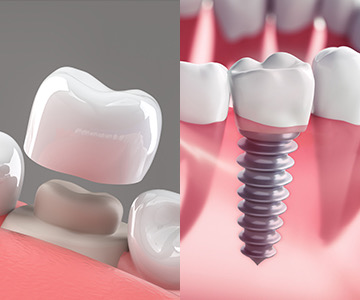
Tooth loss (edentulism) affects not only the appearance of your smile but also the overall functional health of your oral cavity
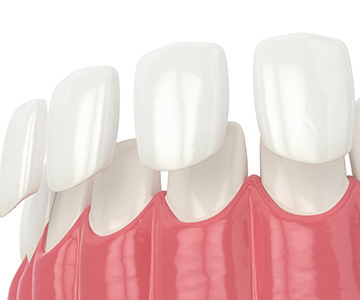
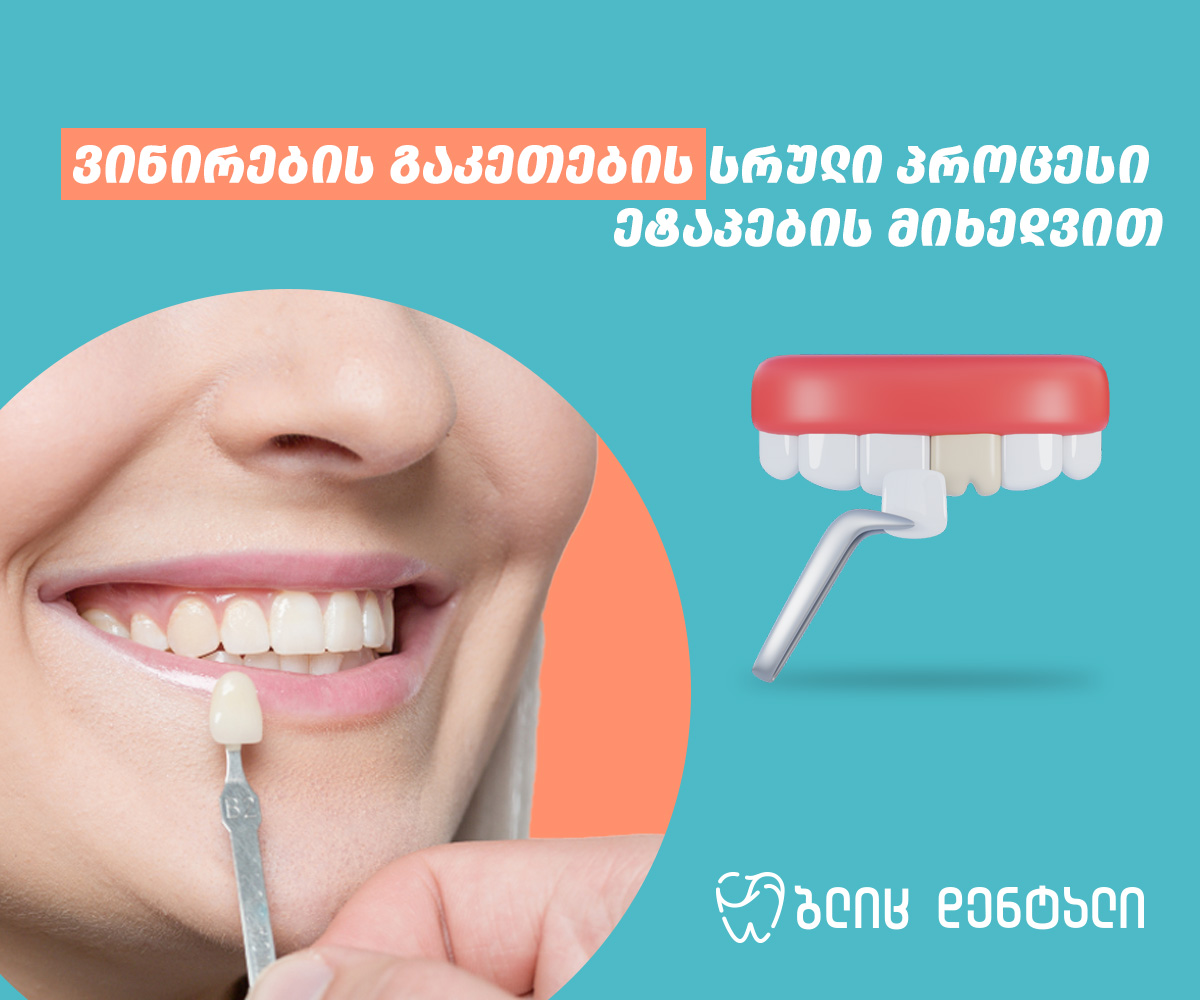
Dental veneers can be made from various materials, but ceramic (porcelain) veneers are the most widely used.
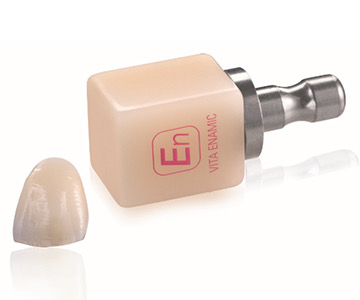
Modern aesthetic and functional dentistry is continually evolving, striving to identify restorative materials that combine exceptional strength

The eruption of baby teeth is one of the most important stages in a child’s early development.
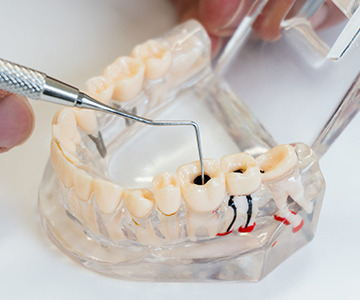
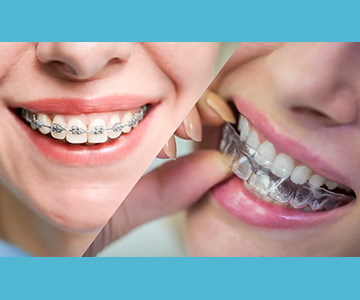
Modern dentistry increasingly emphasizes the importance of orthodontic care.

Oral health care begins long before the first permanent tooth erupts.
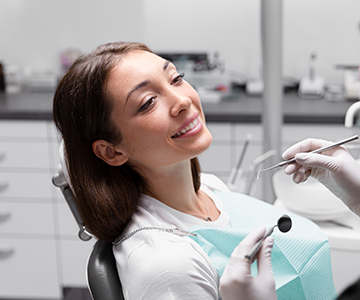
A smile is one of the key elements of a person’s visual identity. It conveys confidence and positivity. However, the beauty of a smile is not only an aesthetic factor—it is directly connected to oral health.