02 October
To book a visit, sign up for a consultation. To clarify the details, our operator will contact you.
23 May 2025
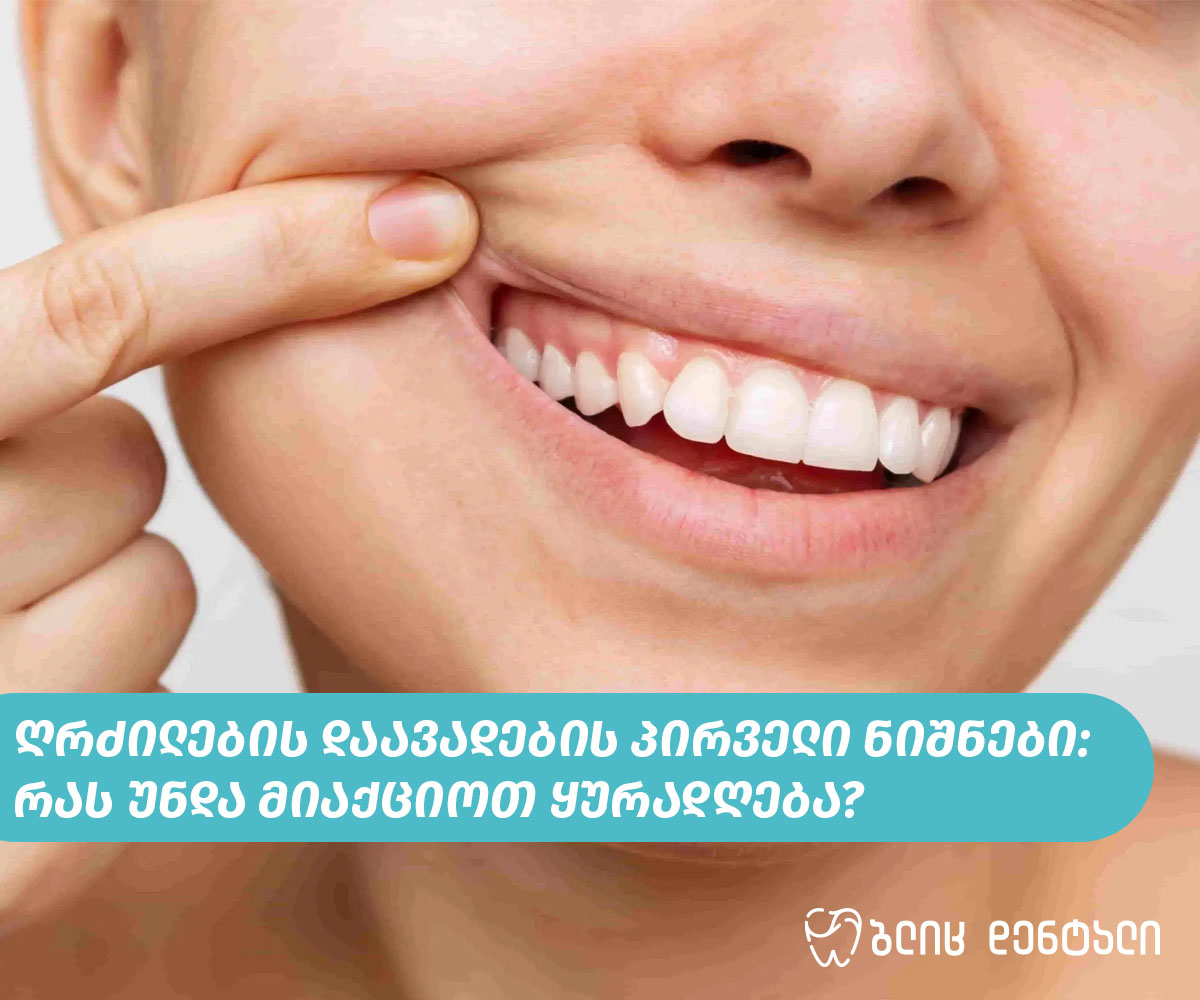
Stomatitis is an inflammation of the oral mucosa that is very common in both children and adults. The disease can be caused by viral, bacterial or fungal infections, as well as by a weakened immune system, stress, or mechanical trauma. The viral form of stomatitis is particularly contagious and can easily be transmitted through shared dishes, close contact, or touching the mouth with hands.
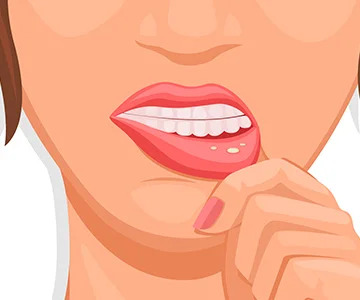
During stomatitis, patients develop small but painful ulcers, which are often found on the tongue, gums, inner lip, or cheek mucosa. The pain is sometimes so severe that it becomes difficult to eat, talk, and even breathe.
Despite the fact that this disease is quite common, there are many misconceptions surrounding it. Let's examine the 5 most common myths about stomatitis:
Many people think that stomatitis is contagious in all cases and that even minimal contact with an infected person is enough to become infected themselves. In reality, most forms of stomatitis, including the most common aphthous stomatitis, are not contagious. It is not transmitted through conversation, using shared dishes, or close contact. However, there is a form of this disease, such as herpetic stomatitis, which is caused by the herpes virus and is contagious. That's why it's important to consult a dentist promptly, receive an accurate diagnosis, and plan the correct treatment.
One of the most common misconceptions is that stomatitis is only a problem in childhood. While stomatitis is common in children, it can develop at any age. In adults, the causes of stomatitis can be:
It is often thought that stomatitis develops only due to inadequate oral hygiene. While this may increase the risk of stomatitis, it is not the only or necessary cause. Stomatitis can be caused by various factors, such as immune system disorders, nutritional factors, stress, allergic reactions, medication side effects, and more. Often, patients who take care of their oral hygiene daily still develop stomatitis due to other causes. Therefore, it is important to approach this problem comprehensively.
Many people think that stomatitis will go away on its own and does not require medical intervention. However, the reality is different. While mild forms of stomatitis may disappear within 1-2 weeks without treatment, in many cases, treating stomatitis significantly reduces symptoms, speeds up recovery, and prevents complications. Professional treatment is especially important if stomatitis is severe, recurs frequently, or is accompanied by other symptoms.
Folk medicine often suggests using salt water rinses to treat stomatitis. While salt water may have certain antiseptic effects, it is not sufficient or the best approach for all types of stomatitis. Moreover, in some cases, salt water can irritate the oral mucosa and increase pain. Also known for treating stomatitis is alum, which causes more burning and irritation of the ulcer area, which is absolutely not recommended. Modern dentistry has special preparations and treatment methods that are much more effective in dealing with stomatitis. That's why, for any type of stomatitis, consultation with a specialist is recommended.
Stomatitis, as an oral health issue, requires proper attention and treatment. Debunking the myths discussed above helps us better understand this condition and make the right decisions to protect our health. If you are experiencing symptoms of stomatitis, don't delay, consult a doctor promptly.
At "Blits Dental-Kakhaber Kharebava Clinic," you will find experienced specialists who will help you correctly diagnose the problem and select an effective treatment plan.
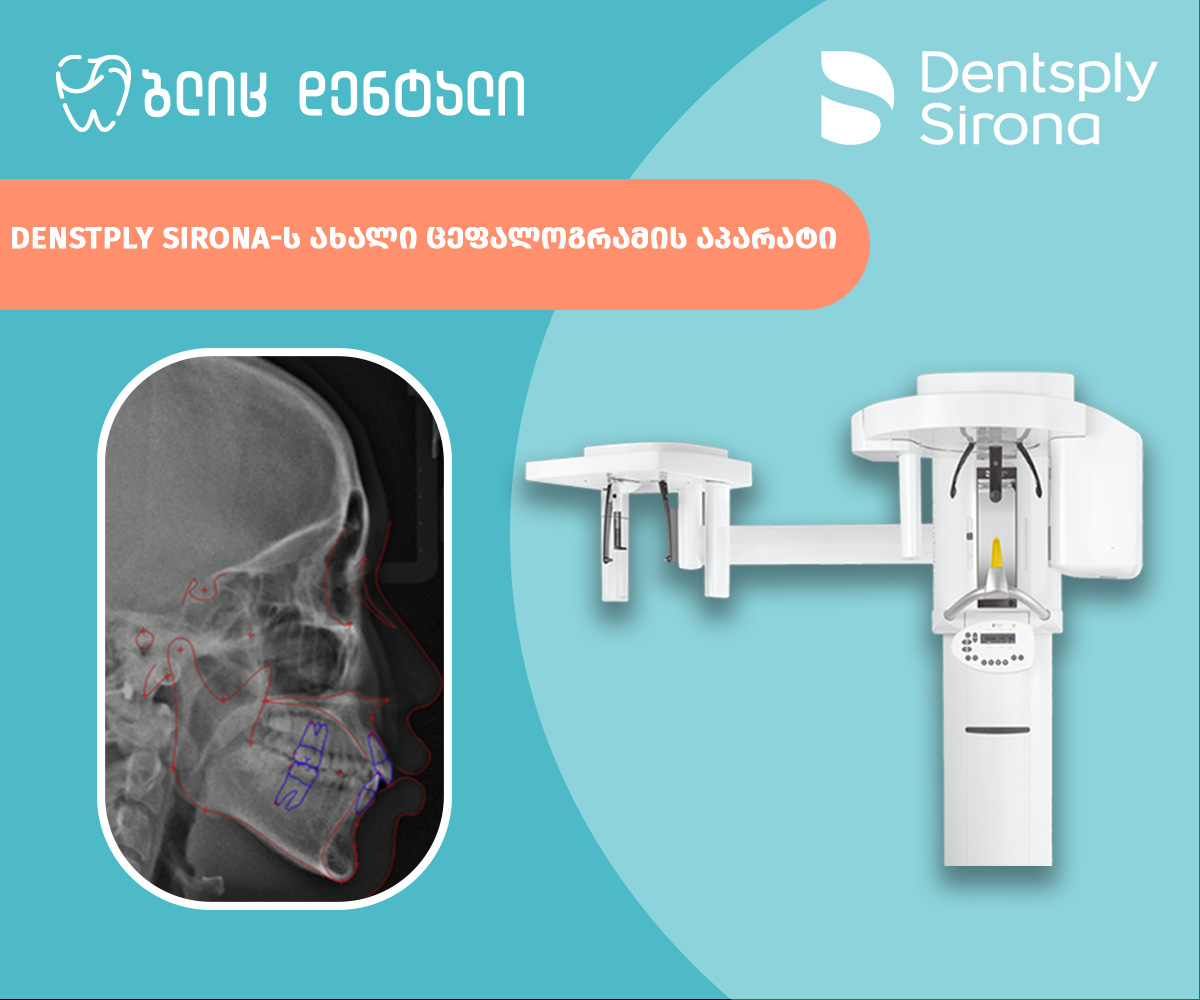
https://blitsdental.com/en/visit/consultation/blogOrthodontic treatment is not limited to straightening teeth. To achieve a beautiful, functional smile, an orthodontist needs to assess the relationship between the teeth, the upper and lower jaws, the skeletal structures of the face, and the surrounding soft tissues.

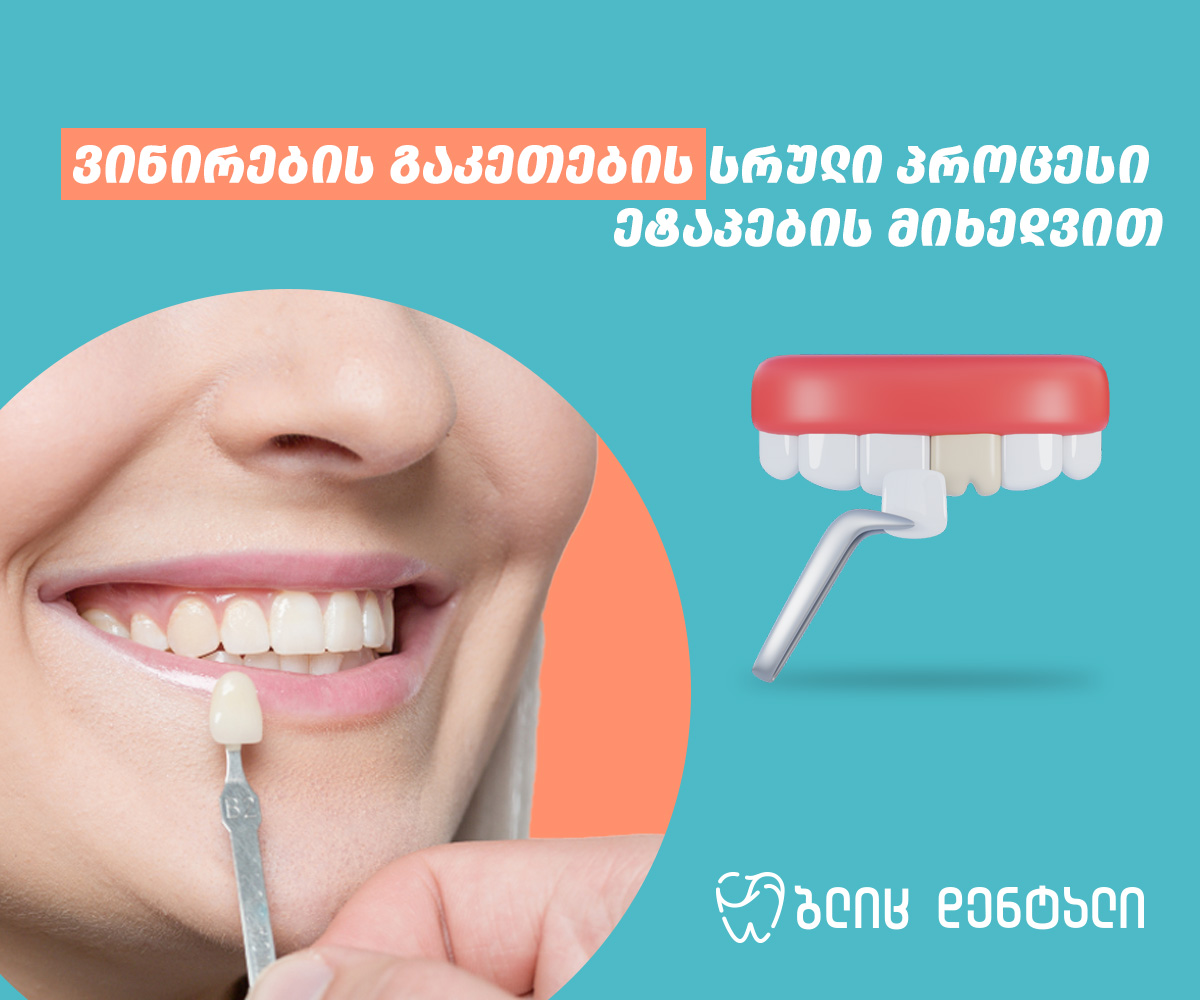

Braces are one of the most common orthodontic methods for straightening teeth and correcting bite alignment. Modern braces differ in terms of materials, appearance, and the way they work. But how do you choose the right system for you, and how long does the treatment take?
If you are planning dental treatment, summer is one of the best times for it. During the vacation season, scheduling dentist appointments is easier, allowing you to complete your treatment comfortably and on time.
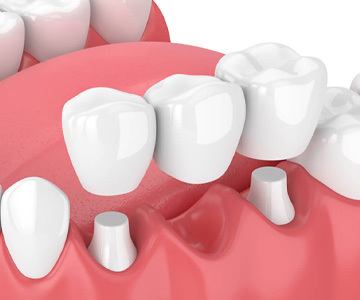
Treatment of edentulism (missing teeth) with a dental bridge is one of the most common and effective methods. A dental bridge allows for the restoration of both chewing function and smile aesthetics. It is a fixed prosthetic construction that is supported by healthy adjacent teeth and fills the space of a missing tooth. In this article, we will discuss what a dental bridge is, the types available, and how the placement process is carried out.
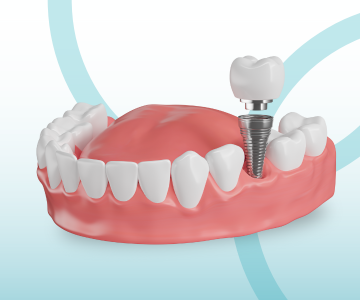
Missing teeth are no longer a problem! Dental implants offer the most advanced, durable, and natural-looking solution for restoring your smile. An implant, together with its crown, mimics a real tooth both aesthetically and functionally-helping you regain confidence, comfort, and a complete smile.

During pregnancy, hormonal changes can cause gum inflammation, bleeding, enamel erosion, and an increased risk of cavities. That’s why visiting the dentist during pregnancy is especially important.
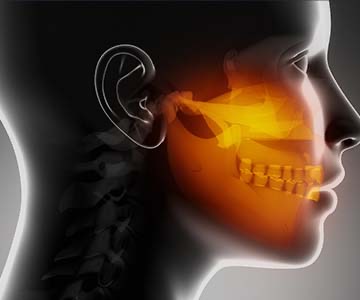
Gnathology is one of the leading branches of 21st-century dentistry. It forms the foundation for any complex dental treatment planning
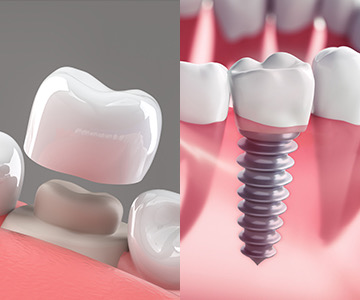
Tooth loss (edentulism) affects not only the appearance of your smile but also the overall functional health of your oral cavity
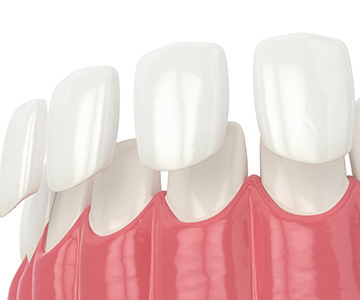
Dental veneers can be made from various materials, but ceramic (porcelain) veneers are the most widely used.

Modern aesthetic and functional dentistry is continually evolving, striving to identify restorative materials that combine exceptional strength

The eruption of baby teeth is one of the most important stages in a child’s early development.
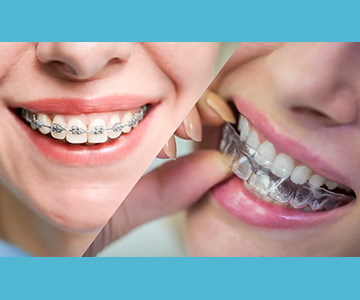
Modern dentistry increasingly emphasizes the importance of orthodontic care.

Oral health care begins long before the first permanent tooth erupts.

A smile is one of the key elements of a person’s visual identity. It conveys confidence and positivity. However, the beauty of a smile is not only an aesthetic factor—it is directly connected to oral health.