The Importance of Regular Dental Visits – The Path to a Healthy Smile
05 September 2025
A Healthy Smile Starts with Prevention
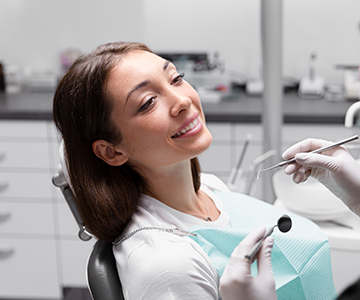
A smile is one of the key elements of a person’s visual identity. It conveys confidence and positivity. However, the beauty of a smile is not only an aesthetic factor—it is directly connected to oral health. That is why regular visits to the dentist should not be viewed merely as a necessity in case of problems, but as a preventive measure that ensures oral health, protects against disease, and improves quality of life.
The Link Between Oral and General Health
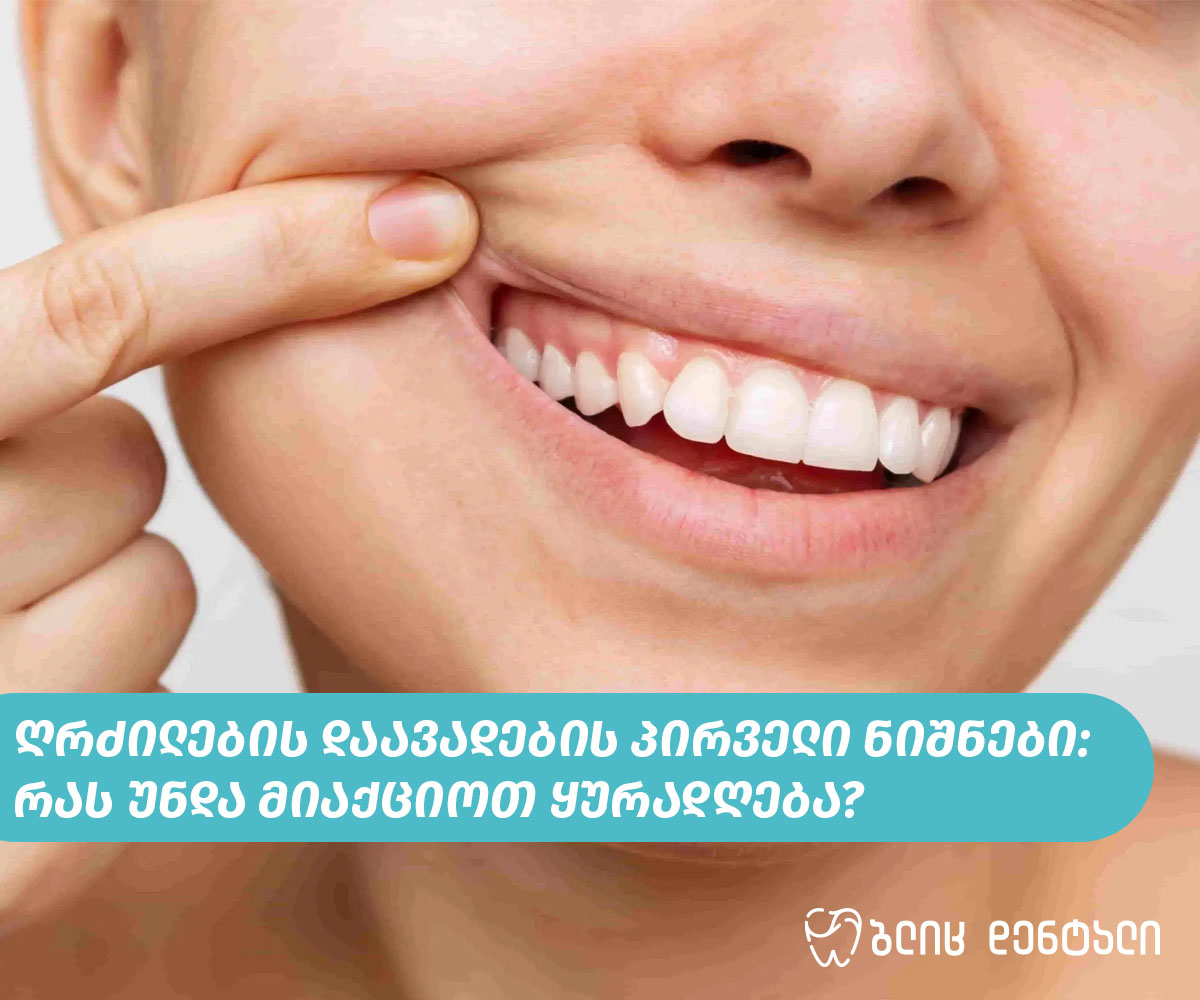
Scientists have repeatedly emphasized the connection between oral health and overall well-being. For instance, periodontitis—a chronic gum inflammation—is often associated with cardiovascular disease and diabetes. Ignoring this connection poses a serious risk. Regular dental visits help reduce these risks by allowing timely diagnosis and treatment.
Early Detection of Problems
Many dental issues develop unnoticed. Cavities at an early stage may cause no pain at all, while gum inflammation can progress silently. When symptoms finally become visible, treatment is usually more complex and lengthy. Preventive check-ups protect patients from severe complications and make treatment much simpler.
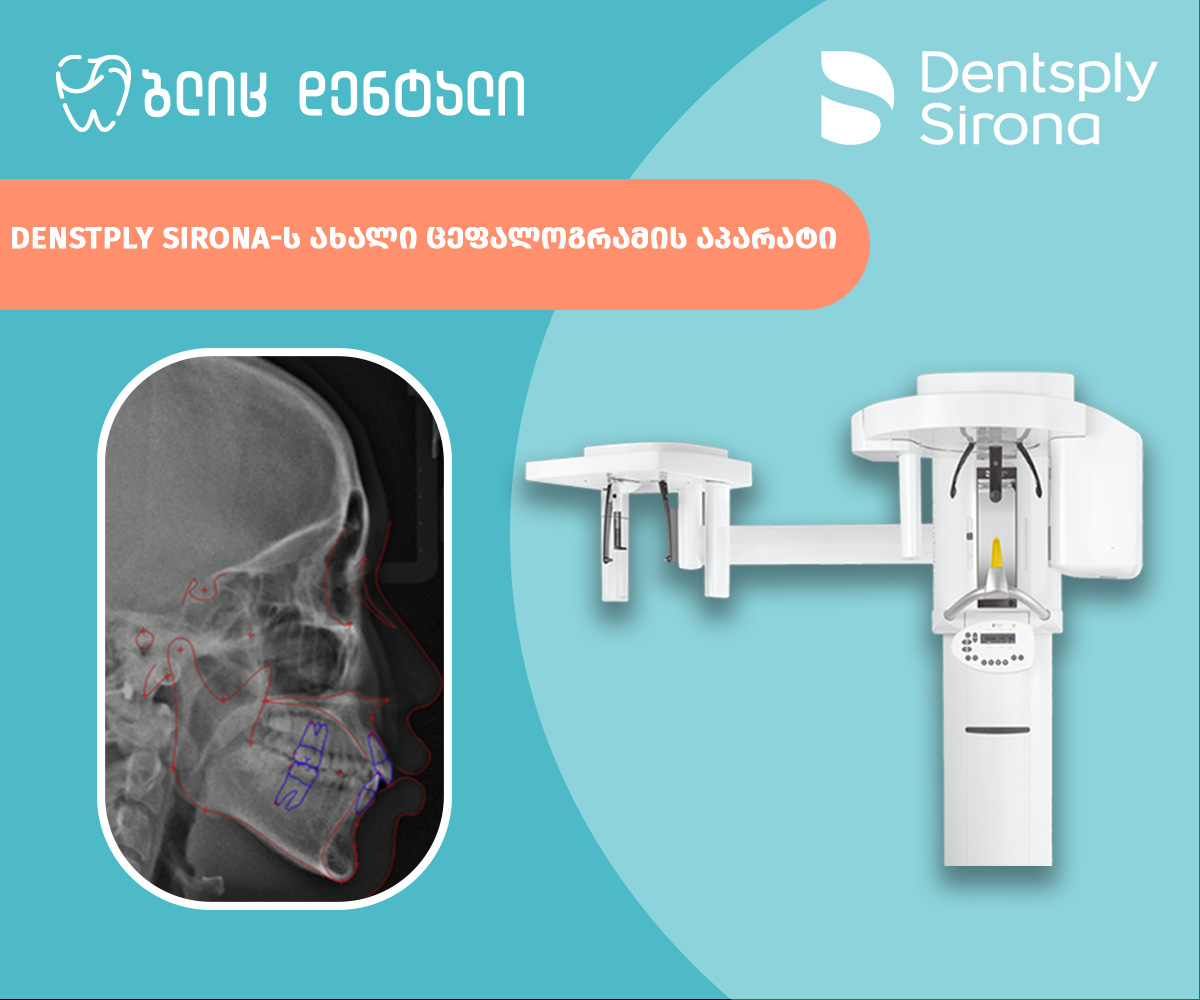
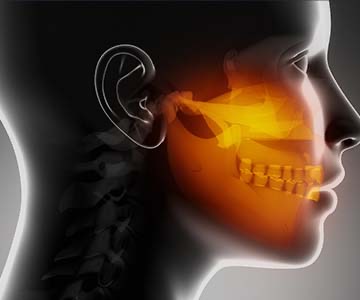
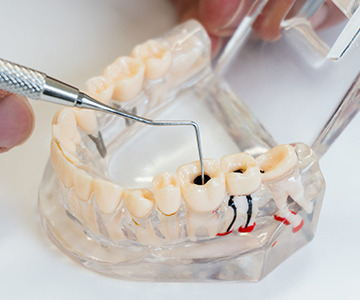
During a dental check-up, the dentist evaluates the condition of the teeth, gums, and oral cavity as a whole. If necessary, X-ray imaging can detect changes at an early stage, making it possible to resolve problems quickly and with minimally invasive methods.
How Often Should You Visit the Dentist?
Most dentists recommend preventive visits every six months. However, high-risk patients—such as smokers, people with diabetes, or those prone to periodontal disease—may require more frequent check-ups. Each case is unique, and the dentist will create an individualized preventive plan tailored to the patient’s needs.
Aesthetic and Psychological Benefits
A healthy smile is a sign of both health and confidence. People who smile freely feel more comfortable in social interactions and often make a more positive impression. Regular visits to the dentist help maintain this self-confidence by preserving the natural beauty of the smile.
Modern Dentistry – Comfort and Precision
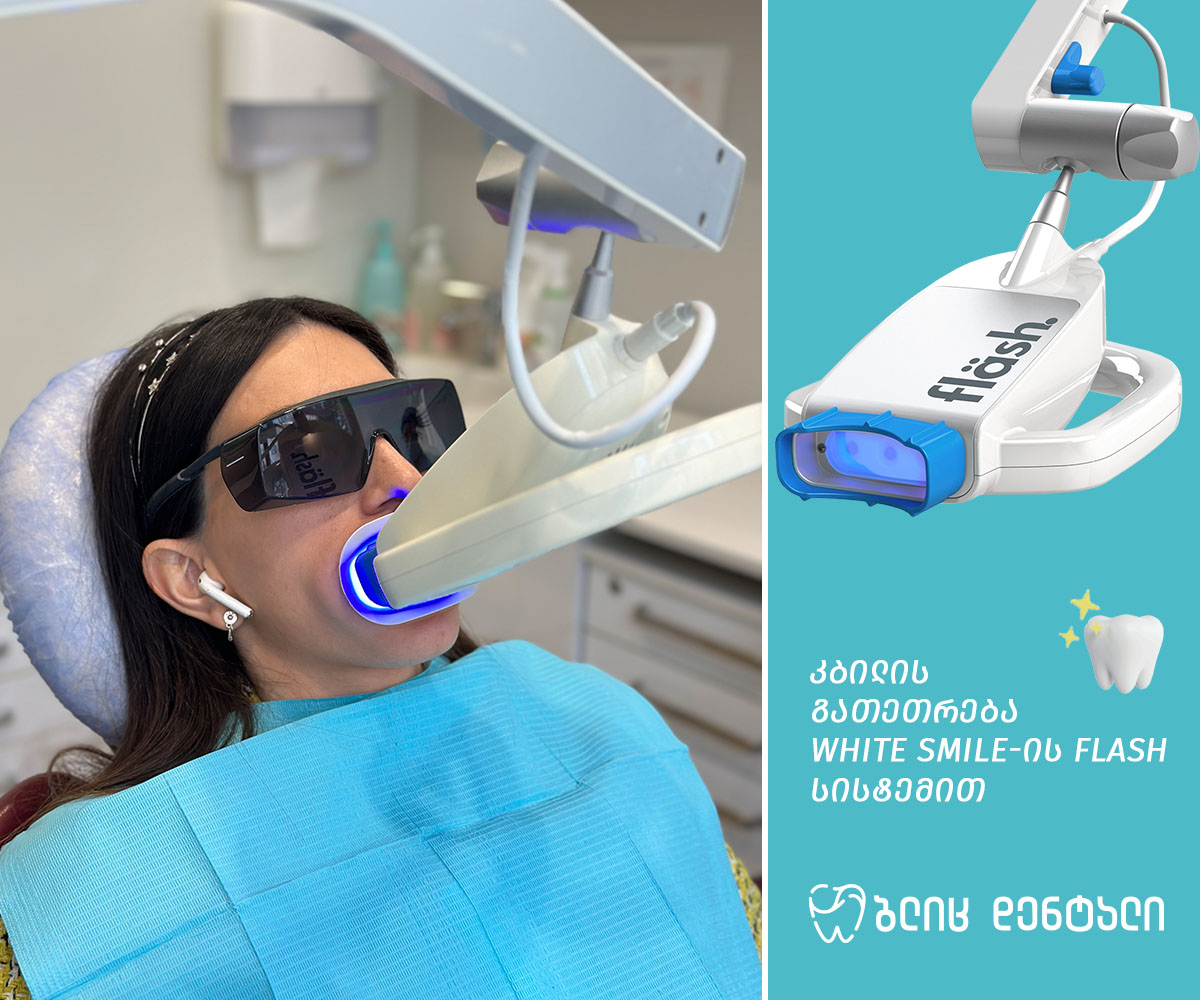
Today, dentistry is no longer associated with pain and fear. Modern technologies make treatment comfortable, while advanced anesthesia methods protect patients from discomfort. Digital diagnostics ensure accurate and fast results. As a result, regular visits become a routine part of life rather than a stressful experience.
How to Take Proper Care of Your Smile?
The benefits of regular visits are especially evident when choosing a clinic that combines high professionalism with modern technologies. “Blits Dental – Kakhaber Kharebava Clinic” offers precisely this environment. Every procedure—whether a preventive check-up, consultation, or treatment—is carried out by professional doctors with the latest equipment and international standards.
Here, patients receive not only the assessment of a single tooth or gum but a complete overview of their oral health. Individualized treatment and preventive plans ensure effective results and maximum comfort.
Conclusion
Regular dental visits protect health, preserve the beauty of your smile, and strengthen self-confidence. Prevention is always simpler and more effective than complex treatment. That is why visiting the dentist should become an integral part of our lives. “Blits Dental – Kakhaber Kharebava Clinic” offers patients accurate diagnostics, modern treatments, and the care of a professional team.