How to Care for Preschool Children’s Oral Health: Practical Tips for Parents
10 September 2025
Introduction: Why Early Care Matters
Oral health care begins long before the first permanent tooth erupts. Many parents believe that baby teeth are not important because they are temporary. In reality, they provide the foundation for proper eruption of permanent teeth and healthy jaw development. Habits and oral hygiene culture formed at this age largely determine the child’s future quality of life, self-esteem, and overall health.
Establishing Oral Hygiene Habits
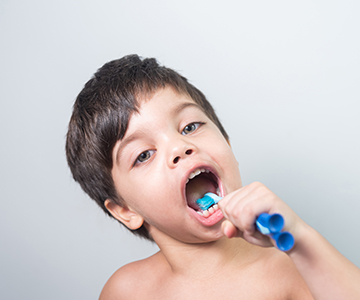
Teaching preschool children good hygiene habits is crucial. Children should learn how to hold a toothbrush correctly, master brushing techniques, and practice regular routines. Parents play a decisive role—children often strive for independence, but supervision is necessary until at least age seven.
Equally important is shaping a positive attitude toward brushing. If toothbrushing is associated with stress or obligation, the child may avoid it later in life.
Nutrition and Its Impact on Teeth
A child’s diet directly affects oral health. Frequent consumption of sweets, sodas, and sugary juices creates an environment favorable for cavities. Parents may think small amounts are harmless, but frequent snacking is more damaging than a single larger portion. Replacing sweets with fruit or dairy products is highly recommended.
Water intake is also important. In some countries, fluoride is added to water to strengthen enamel. In Georgia, children should still drink sufficient water to naturally wash away bacteria and food debris.
The Role of Regular Dental Visits
Many parents take their child to the dentist only when a problem arises, but by then the condition may already be advanced. The first dental visit is recommended at around 1 year old, when the first baby teeth appear. After that, check-ups every six months help detect and prevent problems early.
Regular visits also help children overcome fear of the dentist. If a child only goes to the clinic during pain, visits become associated with negative experiences. Preventive appointments reduce stress and build trust.
Preventive Procedures and Innovations
Modern pediatric dentistry offers many innovative methods to protect oral health. One of the most effective is dental sealants, which prevent cavities in deep grooves of teeth. Fluoride treatments—special varnishes and gels—provide extra enamel protection.
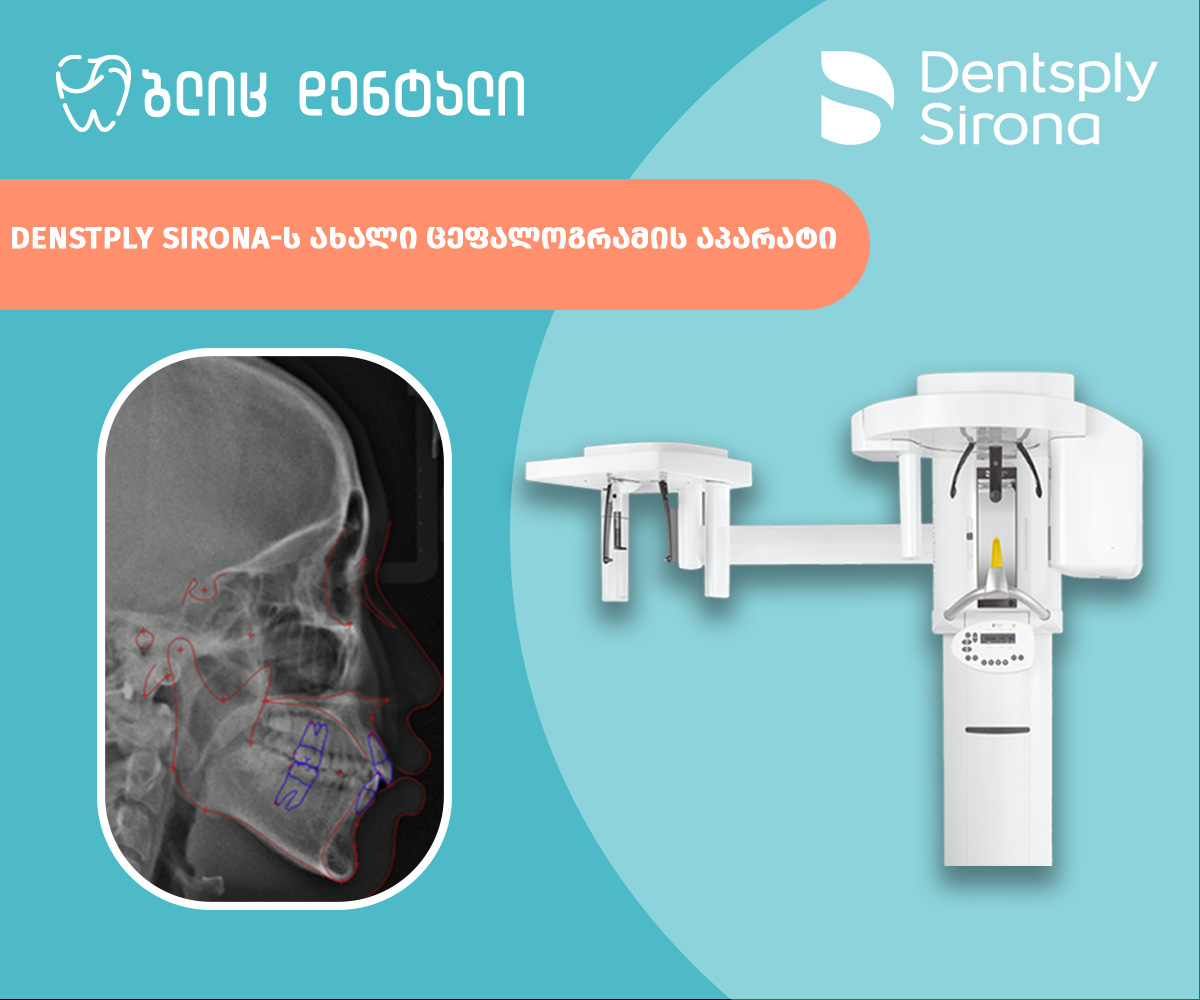
Digital diagnostic tools are increasingly used to assess teeth more accurately and painlessly, improving effectiveness while reducing discomfort.
Parental Education and Responsibility
Oral health care is not just the dentist’s responsibility. Parents must also be informed and trained to support their child. They should know not only how to brush teeth correctly but also how to prevent risks such as “bottle caries,” caused by nighttime feeding with a bottle.
Conclusion: A Healthy Smile Starts in Childhood
Caring for preschool children’s oral health is a challenging but essential process. Proper hygiene habits, balanced nutrition, regular dental visits, and modern preventive methods create the foundation for a healthy smile and high quality of life in the future. “Blits Dental – Kakhaber Kharebava Clinic” provides qualified pediatric care and helps children develop healthy oral hygiene habits from an early age.