The causes of tooth decay and its treatment
15 February 2022
The most common disease of the XXI century is directly related to the teeth. According to statistics, the majority of the world's population, about 95%, develop tooth decay.
You might be surprised to learn that in previous historical epochs, despite the much lower level of development of medicine and hygiene, people were relatively less prone to tooth decay. Everything changed in the 18th century when people learned to get refined sugar from beets. Along with the "sugar rush", a real epidemic of tooth decay appeared, which continues to this day.
What is tooth decay?
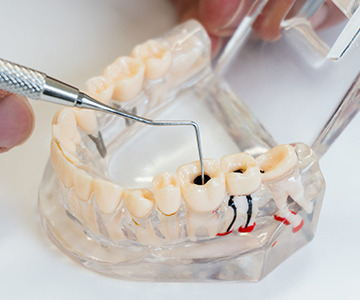
Tooth decay is a pathological process that develops after tooth extraction. During tooth decay, the hard tissues of the tooth are demineralized and a cavity is formed. There are a large number of microorganisms in the human oral cavity that multiply very quickly. Tooth decay is caused by microorganisms on the hard tissues of the tooth. Bacteria live in the oral cavity - streptococci, lactobacilli and actinomycetes. As a rule, they are "inherited" from birth and it is impossible to get rid of them. Within hours of brushing your teeth, the number of bacteria can increase to a million. Streptococci process carbohydrates that are obtained from food and they release acids that damage teeth. This process is especially affected by sucrose, which is contained in refined sugar and, consequently, any product containing sugar. Any tooth decay starts with the creation of favorable conditions for the multiplication of bacteria in the mouth.
Factors of tooth tooth decay development
- Nutrition - The nature of nutrition is of great importance in the formation of tooth decay. Numerous clinical and experimental studies have shown that consuming large amounts of sweets increases the risk of developing tooth decay.
- Diseases - Tooth enamel is a highly mineralized tissue, transmitted diseases that cause qualitative and quantitative changes in saliva composition indirectly affect the demineralization process and consequently cause tooth decay.
- Importance of microorganisms - tooth decay do not occur without contact of microorganisms and carbohydrates with the tooth enamel surface. The abundance of bacteria is one of the direct causes of tooth decay.
- external factors - It is known that after radiation therapy, especially in the head and neck, after 6-8 months there are signs of tooth decay in the form of white spots, and then carious cavities are formed.
- Bacterial coating of the tooth- An accumulation of bacteria that adhere tightly to the tooth surface and under certain conditions can create a sufficiently acidic environment for demineralization of the enamel in a certain area. Bacterial coating is a transparent, soft, sticky material that is almost entirely composed of bacteria. It has selected attachment sites that determine the localization of the carious lesion.
- Protective value of saliva - through saliva the body controls the microorganisms in the oral cavity. The normal flora of the oral cavity protects against many pathological microorganisms from the outside. Consequently, any change in the healthy composition of saliva (against the background of certain diseases in the body) can become a prerequisite for the development of tooth decay.
Stages of tooth decay
There are different stages of tooth decay: First stage is the earliest stage of tooth decay development that is easy to treat. Tooth enamel becomes soft in some parts and a pigmented spot appears on it. During the first stage, the content of calcium, phosphorus, fluorine and other trace elements in the tooth enamel decreases. During the superficial caries stage, destructive processes take place only in the enamel. In the case of secondary caries, the tooth damage is relatively deep, though not touching the root. In deep caries, a very thin layer of healthy tooth tissue is left at the root.
Prevention of tooth decay
Caries prevention plays an important role in maintaining dental health. Prophylaxis involves the removal of caries-causing factors and increases the stability of tooth tissue.
- The first rule is to maintain good oral hygiene. To remove plaque, you should brush your teeth twice a day, morning and evening. Do not forget to clean the tongue as well and use the washing liquid. Use dental floss to remove food debris left between the teeth.
- The second rule is proper nutrition. Reduce the amount of carbohydrates in the diet and especially sugars, carbonated drinks and candies. Coffee expels calcium from the body and changes the color of tooth enamel.
- The third rule is to use fluoride-containing products. Fluoride strengthens tooth enamel.
- The fourth rule is a regular visit to the dentist for prophylactic examinations. Perform a professional teeth cleaning procedure that involves the effective removal of plaque and tartar. Also, cover the teeth with special preparations containing fluoride and calcium.
"Blits Dental - Kakhaber Kharebava dental clinic Tbilisi" - works to the highest standards and ensures a high quality of treatment from the beginning, to the end of dental treatment. Remember, caries prevention includes the prevention of many other diseases and is a must for general health.