Dentistry under general anesthesia – safe and comfortable treatment without stress
02 March 2026
Oral health is an essential part of overall well-being. However, for many people, visiting a dentist is still associated with fear, stress, and anxiety. As a result, patients often postpone treatment and avoid necessary dental procedures.
A modern and effective solution to this challenge is dentistry under general anesthesia. This method allows procedures of any complexity to be performed completely painlessly, in a calm environment, and without emotional distress.
What Is Dentistry Under General Anesthesia and What Are Its Advantages?
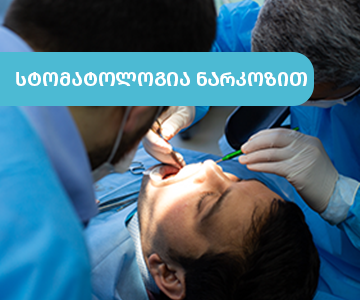
Dentistry under general anesthesia involves performing dental procedures while the patient is under general anesthesia. Unlike traditional local anesthesia, which numbs only a specific area, general anesthesia allows the patient to fully relax and undergo treatment without experiencing intense sensations.
There are several important advantages. First and foremost, the procedure is carried out without pain or discomfort. The patient is in a medically induced sleep and does not perceive the ongoing treatment. This significantly reduces emotional tension and completely eliminates dental fear.
Another major advantage is time efficiency. Under general anesthesia, the dentist can perform multiple procedures in a single visit - whether it is tooth extraction, implantation, prosthetics, or other complex treatments. This reduces the number of clinic visits required.
General anesthesia is also especially effective for complex surgical interventions, particularly in children and individuals with special needs, where communication with the patient may be challenging.
Ultimately, treatment under general anesthesia ensures maximum comfort for the patient and a calm working environment for the dentist, positively impacting treatment quality and outcomes.
How Does the Process Work?
Dentistry under general anesthesia is performed step by step, following strict medical protocols to ensure safety and comfort.
Consultation with the dentist: The first step is a consultation, during which the dentist evaluates the patient’s overall oral health.
Consultation with the anesthesiologist: Preoperative tests are назначed, and the patient meets with the anesthesiologist to ensure that anesthesia is planned individually and safely.
Preparation for the procedure: On the day of treatment, the patient is connected to monitoring equipment to track heart rate, breathing, blood pressure, and other vital signs. The anesthesiologist administers anesthesia, and the patient enters a medically induced sleep. The dentist then performs the planned treatment.
Post-operative period: After the procedure, the patient remains under observation for a certain period. Once fully awake and stable, the patient can leave the clinic the following day, provided no complications occur. With modern medical standards and qualified specialists, the risk of complications after anesthesia is minimized.
With proper planning and a professional team, the process is safe, controlled, and максимально comfortable for the patient.
Dental Procedures Performed Under General Anesthesia
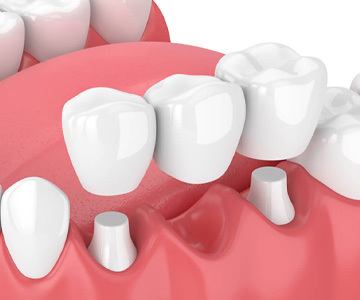
Both therapeutic and surgical procedures can be performed under anesthesia, including tooth extraction, implantation, prosthetics, gum treatment, restorative therapy, and more.
Tooth extraction under general anesthesia involves performing the extraction while the patient is in a medically induced sleep, without pain and in a fully relaxed state. This method is particularly recommended for patients with severe dental anxiety, complex surgical cases, or the need to remove multiple teeth at once.
Wisdom tooth extraction under general anesthesia is often used for complicated cases, as these procedures may be lengthy and technically demanding.
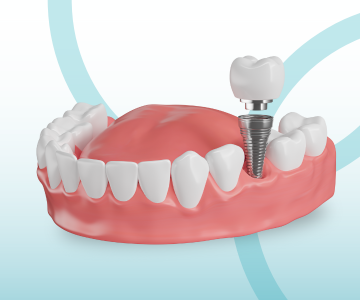
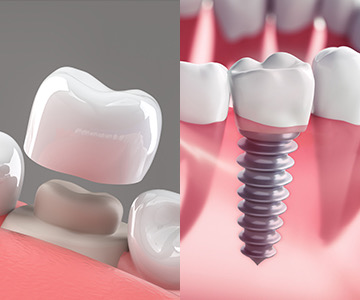
Dental implantation under general anesthesia allows the dentist to work calmly and with maximum precision. Bone augmentation and other additional procedures can also be performed if necessary.
After completing the procedures, the patient remains under supervision until fully awake and receives appropriate rehabilitation recommendations.
Dental Treatment for Children and Individuals with Special Needs
Dental treatment under general anesthesia is especially important for individuals with special needs when communication difficulties, severe fear, hyperactivity, or certain health conditions make standard treatment challenging.
General anesthesia is administered under strict supervision and continuous monitoring, ensuring maximum safety. The patient remains asleep, does not feel pain, and experiences no stress. This allows multiple necessary procedures to be completed in one session, reducing both the number of visits and emotional strain for the patient and their family.
Before treatment, a comprehensive health assessment, consultation with an anesthesiologist, and necessary examinations are required to ensure safe and effective care.
Pediatric Dentistry Under General Anesthesia – Is It Possible?
Pediatric dentistry under general anesthesia is permitted and, in certain cases, even recommended. It is used when a child is very young, experiences severe fear, or requires extensive treatment in a single session.
The procedure is performed under the supervision of a pediatric anesthesiologist following preliminary examinations and health assessments. Medically induced sleep allows the dentist to complete all necessary treatment calmly while protecting the child from stress and pain.
At Blits Dental - Kakhaber Kharebava’s Clinic, treatment under general anesthesia for children is performed by Dr. Lia Mania. Examples of her work further confirm the quality and professionalism of the care provided.
What Is the Cost of Dental Treatment Under General Anesthesia?
The cost of dental services under general anesthesia is determined individually and depends on the type of procedure, its complexity and duration, as well as the length of anesthesia and the involvement of the anesthesiology team. Costs also include anesthesia, hospital stay, patient monitoring, and the dental procedure itself.
Therefore, the exact price is determined after the initial consultation and diagnostic evaluation, when the doctor prepares a comprehensive treatment plan.
Contact