02 October
To book a visit, sign up for a consultation. To clarify the details, our operator will contact you.

11 August 2026
Modern dentistry increasingly emphasizes the importance of orthodontic treatment. Proper tooth alignment is not only a matter of aesthetics and appearance—it directly affects chewing function, the proper functioning of the jaw joints, speech, and overall oral health.
Over the past few decades, orthodontics has made significant progress. Modern orthodontics offers several types of braces. This variety allows patients to choose a treatment option that best suits their individual needs, lifestyle, and aesthetic expectations.
Braces are specialized orthodontic appliances used to straighten misaligned teeth, close gaps between teeth, and correct bite alignment. The system consists of small attachments bonded to the teeth (brackets) and an orthodontic archwire.
During treatment, the teeth are gradually moved into their predetermined positions. To achieve this, the orthodontist regularly monitors the progress of treatment and adjusts the system when necessary.
The goal of orthodontic treatment is not simply to straighten the teeth visually. Properly planned orthodontic treatment can also help correct the bite and achieve a functionally proper position of the teeth.
Before treatment begins, an orthodontic consultation and appropriate diagnostic procedures are essential. Based on the results, the specialist develops an individualized treatment plan.
Braces treatment is a long-term process that does not begin simply with placing the braces. As much as 80% of a successful orthodontic outcome depends on the initial diagnostic and treatment-planning stage.
Treatment with braces begins with an initial consultation with an orthodontist, during which the doctor evaluates the condition of the oral cavity, the bite, and facial aesthetics. At Blits Dental, a comprehensive diagnostic assessment is then performed, including a panoramic X-ray, 3D scanning, photographic records, and a cephalogram, which shows the precise relationship between the jaws and the surrounding skeletal structures in a lateral skull projection.
Based on these detailed findings, the orthodontist develops an individualized treatment plan, selects the appropriate type of braces, and determines the estimated treatment duration.
Finally, before the braces are placed, the mouth is fully prepared for orthodontic treatment. This includes treating cavities and performing professional dental cleaning to ensure that orthodontic treatment begins in a healthy oral environment.
Braces are recommended when a patient has orthodontic problems that affect either aesthetics or function. The main indications include:
Several types of braces are used in modern orthodontics. Among the most popular are metal and ceramic systems:
The average duration of braces treatment ranges from 12 to 24 months. However, the exact treatment time varies from patient to patient and depends on several key factors.
Mild corrections may be completed within 6–9 months, while treatment of more complex orthodontic problems may take 2–2.5 years. In adolescents, teeth may move relatively faster due to more adaptable bone tissue. Self-ligating or metal systems may sometimes slightly shorten the treatment process, while the patient's compliance with the orthodontist's recommendations—including wearing orthodontic elastics, maintaining proper oral hygiene, and attending scheduled appointments—directly affects the overall duration and effectiveness of treatment.
Oral hygiene requires special attention while wearing braces. Food particles and plaque can accumulate more easily around the brackets and archwire, making regular and thorough cleaning especially important.
The following are recommended for proper braces care:
It is also important to be careful when eating. Very hard or sticky foods may damage certain components of the orthodontic system. Your orthodontist will provide specific dietary recommendations throughout the treatment process.
Good oral hygiene not only helps the braces function effectively but also helps maintain the health of your teeth and gums.
There is no specific age limit for getting braces. The ideal time to begin orthodontic treatment depends on tooth development, the condition of the bite, and the specific orthodontic problem.
For children and adolescents, an orthodontic evaluation may sometimes be recommended at an earlier age so that a specialist can monitor the development of the teeth and jaws and identify potential problems in time.
At the same time, braces are not only for children and teenagers. Orthodontic treatment can be equally effective in adults. The main difference is that treatment may take longer due to the more fully developed bone tissue.
Therefore, the answer to the question, “Is it too late to get braces?” is always individual. More important than age is the patient's oral health and the specific orthodontic condition.
Orthodontic treatment does not end when the braces are removed. To maintain the results and prevent the teeth from returning to their previous positions (relapse), a retention phase is essential.
After treatment is completed, the teeth need some time to adapt to their new positions.
Orthodontists generally recommend two types of retainers:
Fixed retainer — a thin metal wire bonded to the inner surfaces of the teeth that keeps them in their corrected positions.
Removable retainer — a transparent, removable appliance that is primarily worn at night to provide additional support.
To maintain the results of orthodontic treatment and prevent the teeth from shifting back to their previous positions, it is important to follow your orthodontist's recommendations throughout the post-treatment retention period.
At Blits Dental, our qualified dentists provide professional consultations, answer all your questions in detail, and help develop a personalized treatment plan tailored to your needs.
To book a consultation, call us at (+995) 32 222 15 16 or book an appointment online.
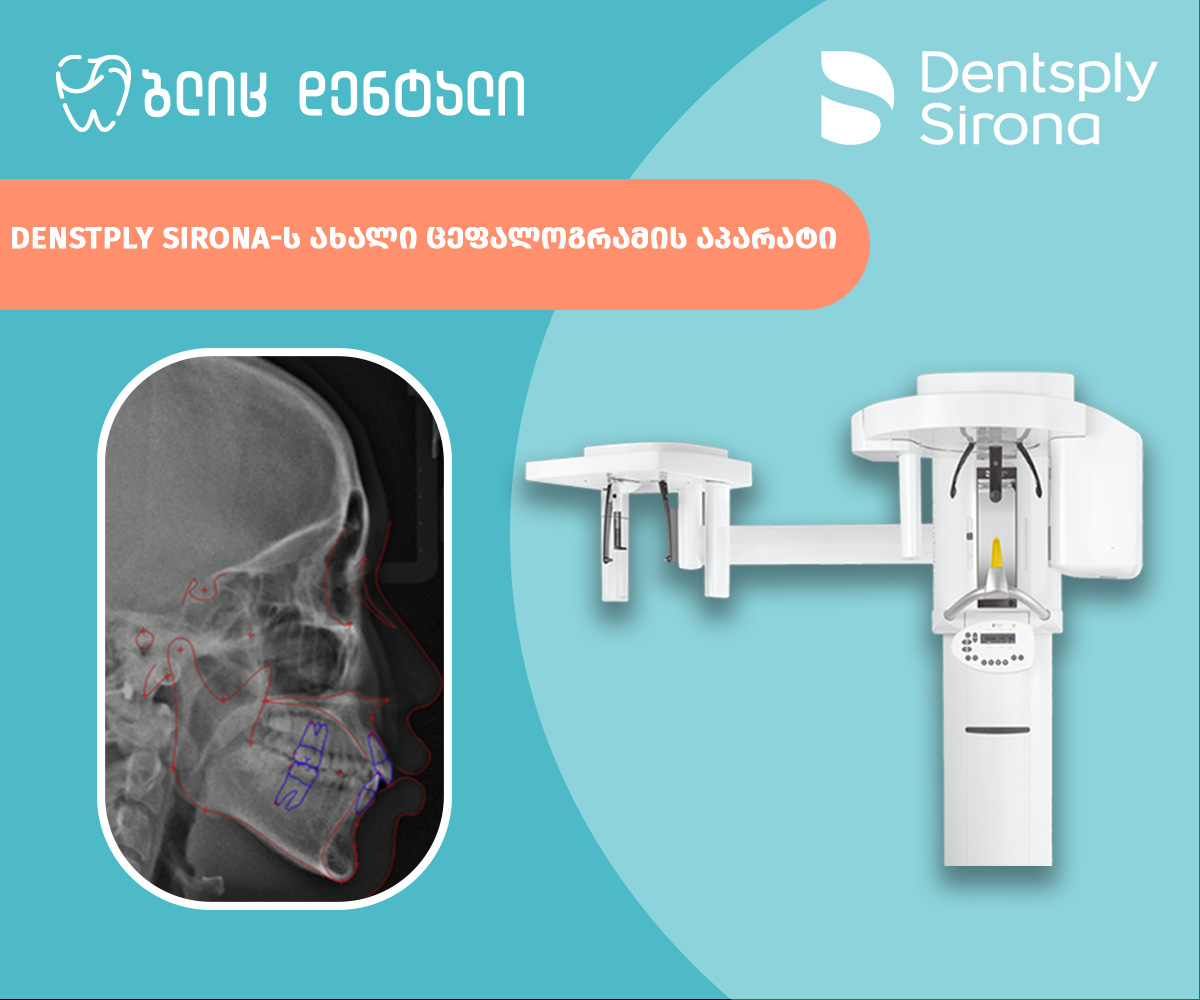
https://blitsdental.com/en/visit/consultation/blogOrthodontic treatment is not limited to straightening teeth. To achieve a beautiful, functional smile, an orthodontist needs to assess the relationship between the teeth, the upper and lower jaws, the skeletal structures of the face, and the surrounding soft tissues.

Braces are one of the most common orthodontic methods for straightening teeth and correcting bite alignment. Modern braces differ in terms of materials, appearance, and the way they work. But how do you choose the right system for you, and how long does the treatment take?
If you are planning dental treatment, summer is one of the best times for it. During the vacation season, scheduling dentist appointments is easier, allowing you to complete your treatment comfortably and on time.
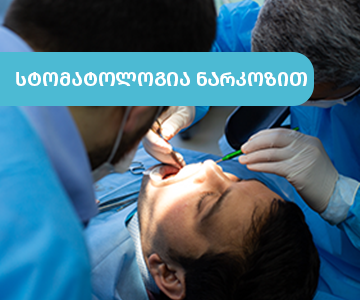
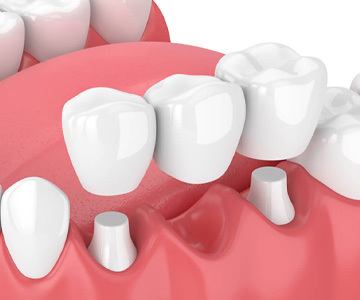
Treatment of edentulism (missing teeth) with a dental bridge is one of the most common and effective methods. A dental bridge allows for the restoration of both chewing function and smile aesthetics. It is a fixed prosthetic construction that is supported by healthy adjacent teeth and fills the space of a missing tooth. In this article, we will discuss what a dental bridge is, the types available, and how the placement process is carried out.
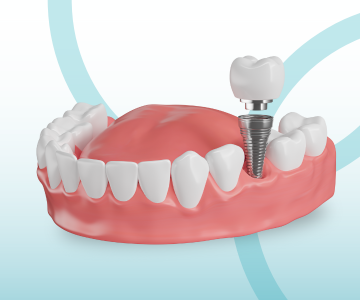
Missing teeth are no longer a problem! Dental implants offer the most advanced, durable, and natural-looking solution for restoring your smile. An implant, together with its crown, mimics a real tooth both aesthetically and functionally-helping you regain confidence, comfort, and a complete smile.

During pregnancy, hormonal changes can cause gum inflammation, bleeding, enamel erosion, and an increased risk of cavities. That’s why visiting the dentist during pregnancy is especially important.
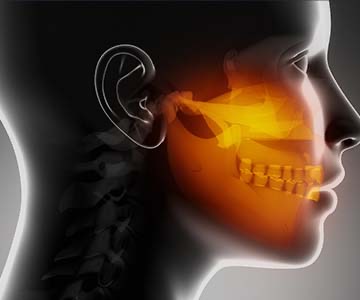
Gnathology is one of the leading branches of 21st-century dentistry. It forms the foundation for any complex dental treatment planning
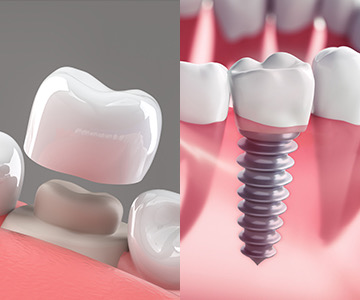
Tooth loss (edentulism) affects not only the appearance of your smile but also the overall functional health of your oral cavity
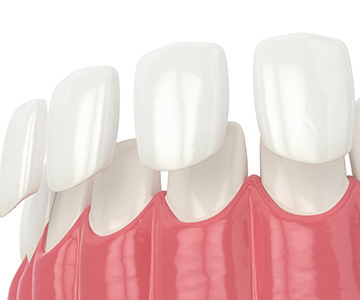
Dental veneers can be made from various materials, but ceramic (porcelain) veneers are the most widely used.
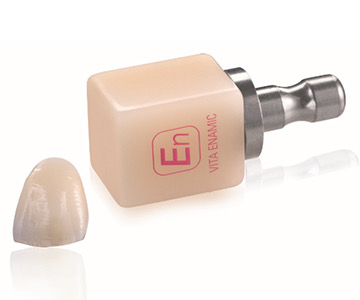
Modern aesthetic and functional dentistry is continually evolving, striving to identify restorative materials that combine exceptional strength

The eruption of baby teeth is one of the most important stages in a child’s early development.
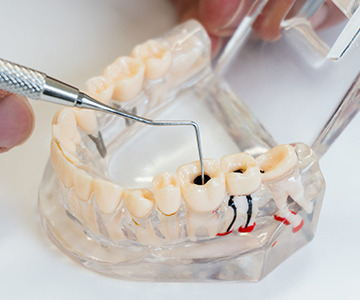
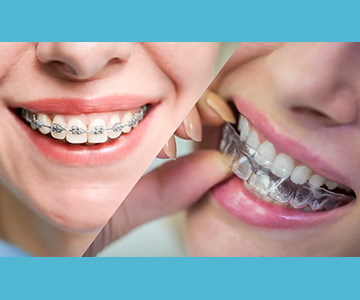
Modern dentistry increasingly emphasizes the importance of orthodontic care.

Oral health care begins long before the first permanent tooth erupts.
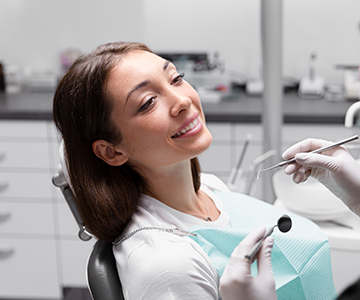
A smile is one of the key elements of a person’s visual identity. It conveys confidence and positivity. However, the beauty of a smile is not only an aesthetic factor—it is directly connected to oral health.