Cephalogram: What Is It and Why Is It Important in Orthodontic Treatment Planning?
17 September 2026
Orthodontic treatment is not limited to straightening teeth. To achieve a beautiful, functional smile, an orthodontist needs to assess the relationship between the teeth, the upper and lower jaws, the skeletal structures of the face, and the surrounding soft tissues.
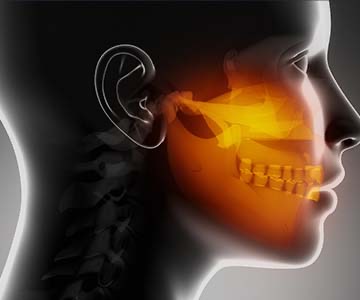
One of the important diagnostic tools used in this process is a cephalogram — a standardized radiographic image of the skull that allows an orthodontist to evaluate the position of the jaws and teeth and their relationship to one another.
What Is a Cephalogram?
A cephalogram is a specialized radiographic examination in which the skull is captured in a standardized lateral or, when necessary, frontal projection.
The lateral cephalogram is used most frequently and is particularly important for assessing the anteroposterior and vertical relationships of the jaws and teeth.
At first glance, the resulting image may look similar to an ordinary X-ray. However, its diagnostic value lies in the standardized positioning of the patient during imaging and in the subsequent cephalometric analysis.
What Equipment Is Used to Take a Cephalogram?
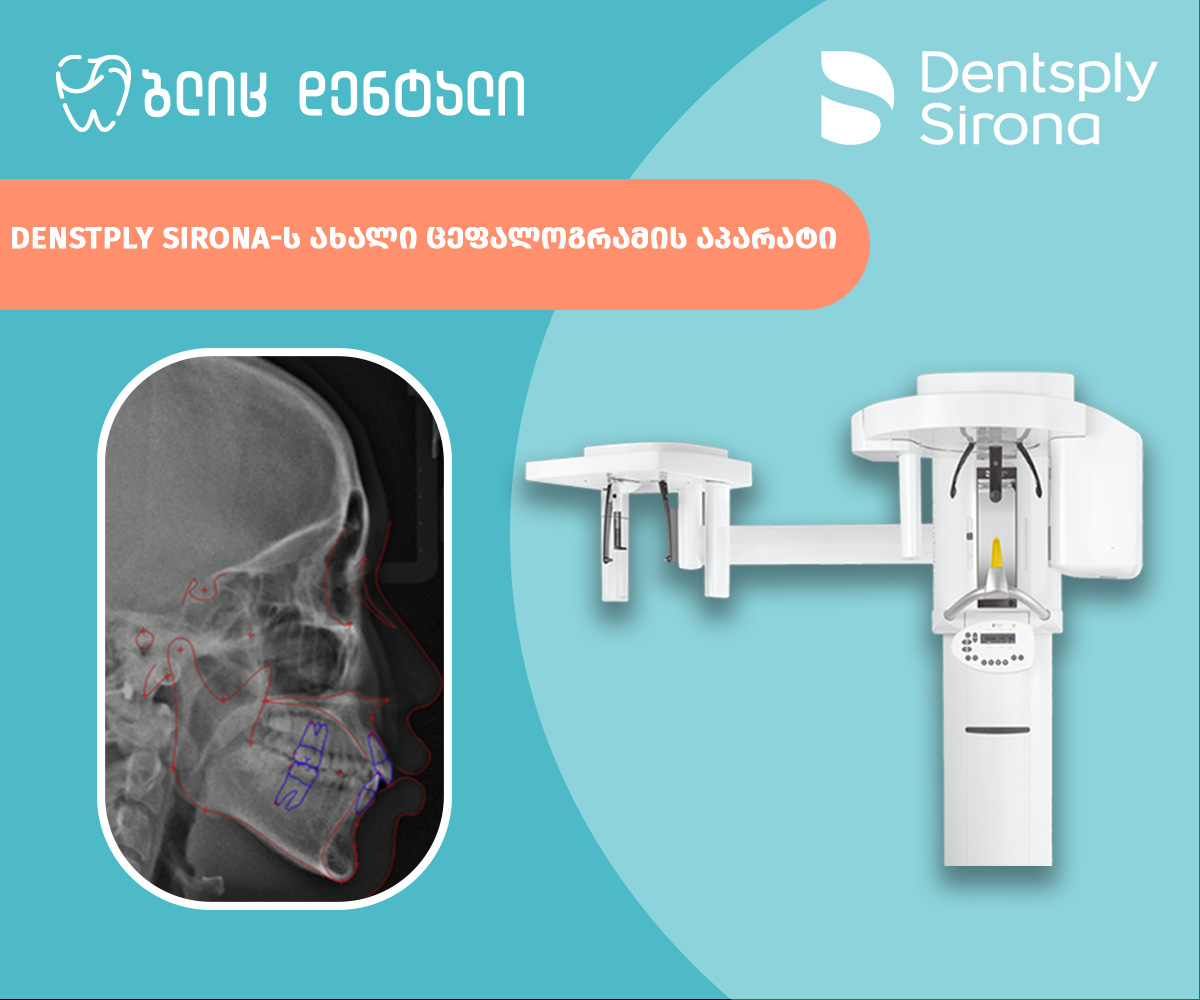
A cephalogram is obtained using specialized cephalometric equipment — a cephalostat, which stabilizes and positions the patient's head in a precise, standardized manner.
This is important because the orthodontist needs an image that allows specific anatomical landmarks, lines, angles, and distances to be accurately identified and compared.
Cephalometric analysis can be performed digitally using specialized software or through traditional manual tracing methods.
What Does a Cephalogram Show?
A cephalogram helps the orthodontist assess:
-
the relationship between the upper and lower jaws;
-
the position of the jaws relative to the cranial base;
-
the inclination and position of the upper and lower incisors;
-
vertical facial proportions;
-
the relationship between the teeth and jaws;
-
certain skeletal abnormalities;
-
specific characteristics related to the facial profile and soft tissues.
During cephalometric analysis, the specialist identifies specific anatomical landmarks and evaluates the patient's craniofacial structures based on the angles and distances between them.
Why Is a Cephalogram Important for Treatment Planning?
Sometimes, the teeth may appear relatively well aligned, while the underlying problem may be related to the position of the jaws or their relationship to one another.
For example, an abnormal bite may be caused not only by the position of individual teeth but also by the upper or lower jaw being positioned too far forward or backward. In such cases, examining the teeth alone does not provide the complete clinical picture.
A cephalogram helps the orthodontist distinguish between a dental problem and a skeletal problem, which can be essential for determining the appropriate treatment approach.
For this reason, cephalometric assessment is particularly valuable in cases where significant anteroposterior or vertical changes to the teeth and jaws are being considered.
A Cephalogram Is Not Used Only for Diagnosis
Cephalometric analysis can also play an important role in evaluating treatment progress.
By comparing cephalometric measurements at different stages of treatment, the orthodontist can assess changes in the relationship between the teeth, jaws, and facial skeletal structures.
This information can help the doctor evaluate the results achieved and, when necessary, refine the treatment approach.
The Importance of Cephalometric Assessment for Children and Adolescents
When evaluating children and adolescents for orthodontic treatment, it is important to consider not only their current condition but also the characteristics of facial growth and development.
Cephalometric data may help the orthodontist assess jaw and facial development and contribute to appropriate treatment planning.
However, it is important to note that a cephalogram is not automatically necessary for every patient. Its necessity should be determined individually, based on the clinical situation and the planned treatment.
Research also indicates that in some straightforward orthodontic cases, a cephalogram may not be necessary for developing a treatment plan.
How Safe Is a Cephalogram?
A cephalogram is a radiographic examination and therefore involves exposure to a small amount of ionizing radiation.
For this reason, radiographic examinations should be performed when they have a specific diagnostic purpose and when the expected clinical benefit justifies the exposure.
This is particularly important for children and adolescents. The ALARA principle — “As Low As Reasonably Achievable” — emphasizes keeping radiation exposure as low as reasonably possible while obtaining the diagnostic information required.
A Cephalogram Is Only One Part of the Treatment Planning Process
It is important to understand that an orthodontist does not develop a treatment plan based on a single radiographic image alone.
A comprehensive orthodontic assessment may include:
-
a clinical examination;
-
facial and intraoral photographs;
-
digital dental scans or impressions;
-
other radiographic examinations when indicated;
-
and consideration of the patient's individual anatomical and clinical characteristics.
In Summary
A cephalogram is much more than simply “an X-ray.”
When clinically indicated, it provides the orthodontist with information about anatomical relationships that may not always be visible during an examination of the oral cavity alone.
Therefore, when a cephalogram is considered necessary as part of orthodontic treatment planning, its purpose is not simply to obtain an image, but to provide additional diagnostic information, support an accurate assessment, and contribute to the development of an individualized treatment plan.
Cephalometric Diagnostics at Blits Dental
At Blits Dental – Kakhaber Kharebava Clinic, patients have access to a state-of-the-art Dentsply Sirona cephalometric imaging system.
Our qualified dental professionals provide comprehensive consultations, answer your questions in detail, and help develop a treatment plan tailored to your individual needs.
To schedule a consultation, please contact us at (+995) 32 222 15 16 or book your appointment online.