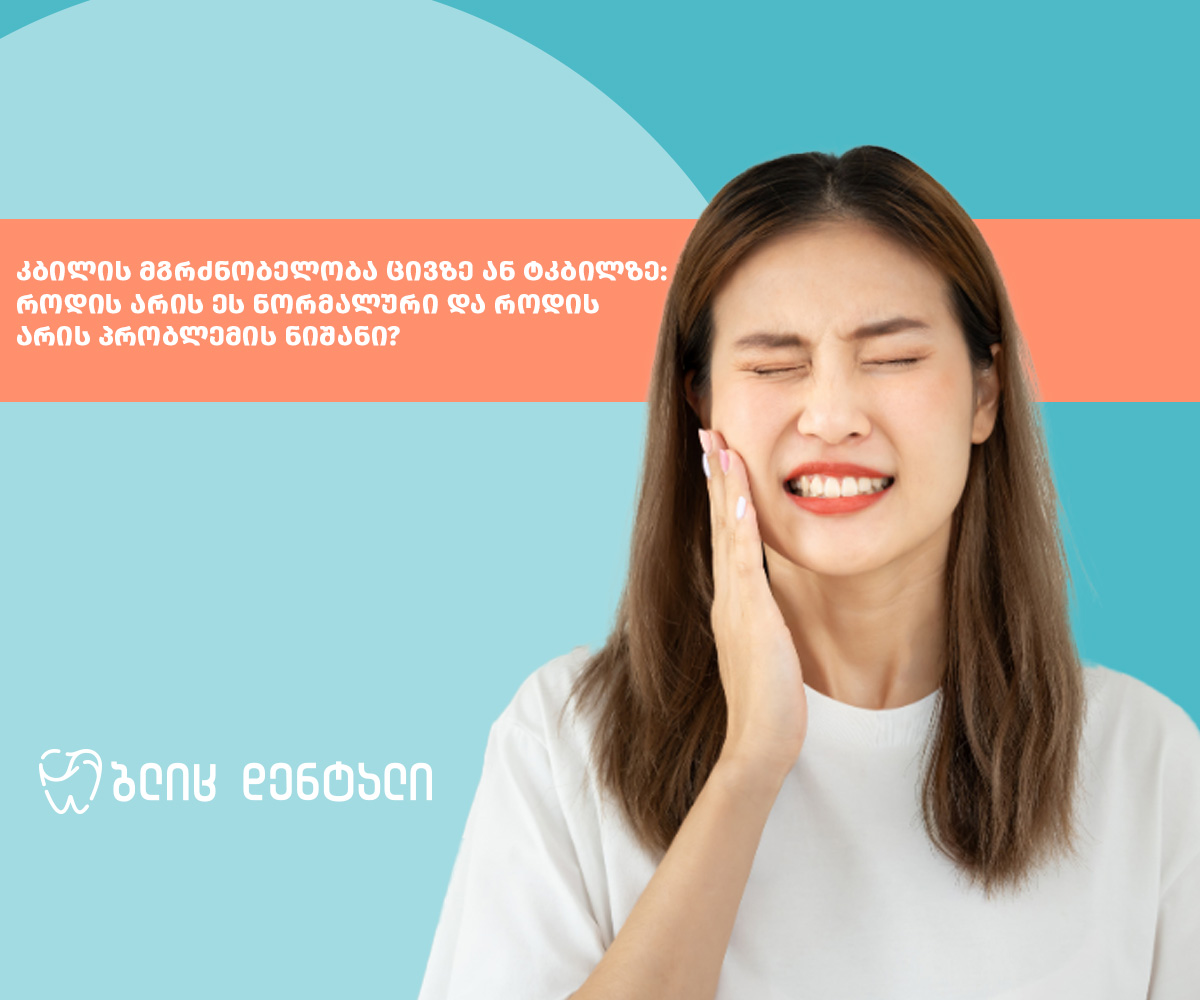
Tooth Sensitivity to Cold or Sweet Foods: When Is It Normal and When Is It a Sign of a Problem?
12 October 2026
A brief, unpleasant tingling sensation in your teeth when drinking cold water or eating sweets is familiar to many people. Sometimes, this reaction is temporary and is associated with a specific cause, such as a professional dental cleaning or minor enamel irritation. However, if the sensitivity occurs frequently, becomes more intense, or the pain persists even after the trigger is removed, it may indicate a more serious underlying issue.
Why Do Teeth Become Sensitive?
Increased tooth sensitivity (hypersensitivity) is primarily caused by damage to the tooth’s protective outer layer, the enamel, or by gum recession. When the enamel becomes thinner or wears away, the underlying dentin becomes exposed. Dentin contains thousands of microscopic tubules that connect directly to the dental pulp, the inner tissue rich in nerves and blood vessels. When this happens, cold, hot, sweet, or acidic foods and drinks, as well as even a stream of cold air, can penetrate these tubules, irritate the nerve endings, and cause brief but sharp, uncomfortable pain.
What Can Cause Tooth Sensitivity?
Tooth sensitivity can develop for various reasons. In some cases, it is associated with damage to the tooth’s protective tissues, while in others, it results from changes in gum health or processes affecting the inner tissues of the tooth. Possible causes include:
-
Enamel wear – Over time, enamel can become damaged or thinner due to brushing too hard, improper brushing techniques, or frequent consumption of acidic foods and drinks.
-
Gum recession – When the gums recede, part of the tooth root becomes exposed.
-
Tooth decay – Sensitivity may increase when decay progresses deeper into the tooth, particularly when it reaches the root.
-
A cracked or mechanically damaged tooth.
-
An old or damaged filling – Over time, a filling may wear down, become damaged, or lose its tight bond with the surrounding tooth structure.
-
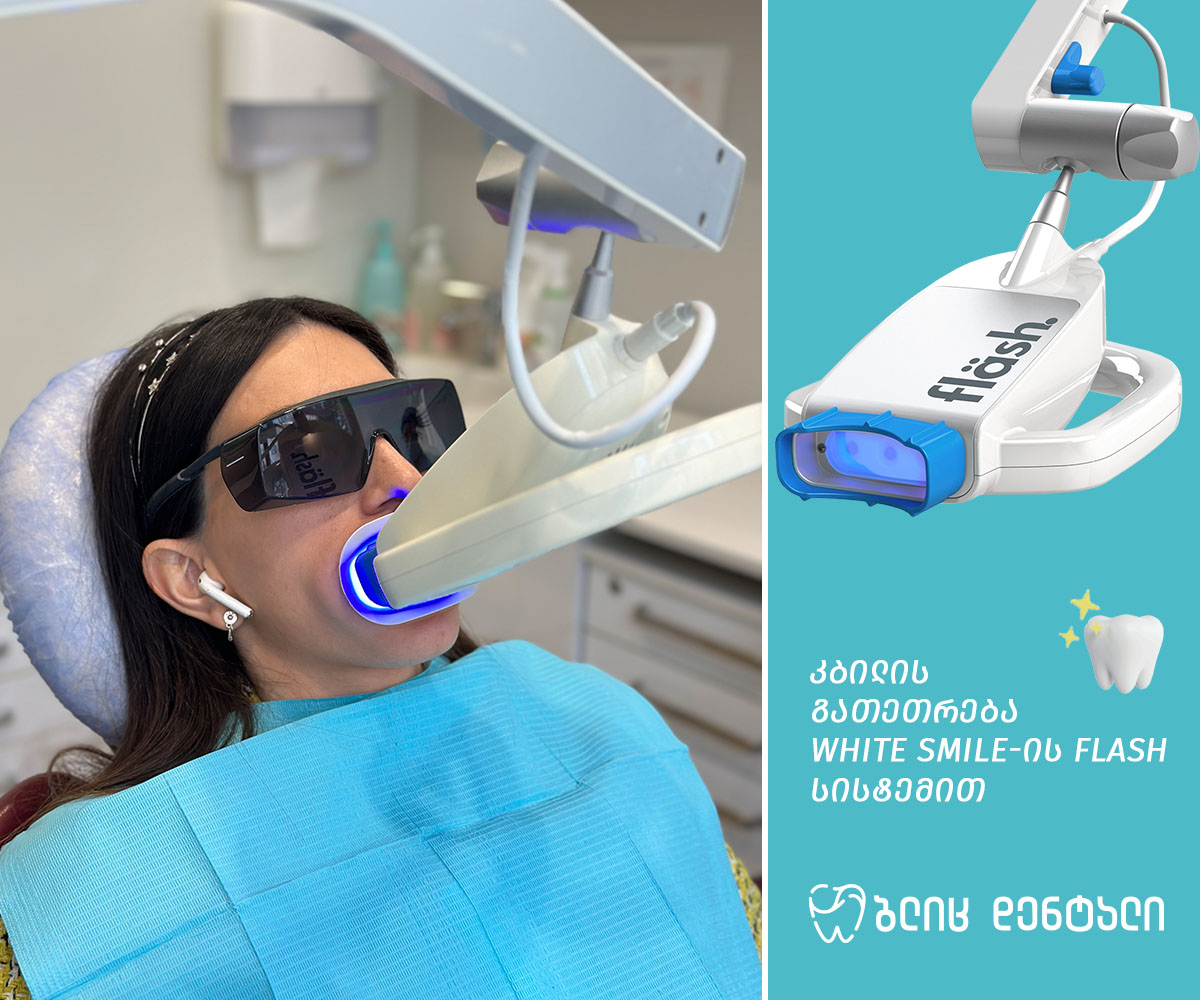
Temporary sensitivity after teeth whitening – The substances used during whitening procedures may temporarily increase tooth sensitivity.
-
Bruxism – Clenching or grinding the teeth can cause enamel wear.
Tooth sensitivity is not always a condition in its own right. It is often a symptom of another dental problem. The same sensation can have different underlying causes, so an accurate diagnosis cannot be made based on symptoms alone. A dental examination is necessary to identify the cause and determine the appropriate treatment.
When Can Tooth Sensitivity Be Temporary and Normal?
In certain situations, tooth sensitivity is a temporary reaction associated with a specific dental procedure or an external factor.
For example, sensitivity to hot and cold foods and drinks may temporarily increase after professional dental cleaning or teeth whitening. This occurs because the tooth surface and dentin may temporarily react to various stimuli. In such cases, discomfort generally decreases gradually over the course of a few days.
Similarly, a brief reaction to cold or sweet foods that disappears as soon as the trigger is removed does not necessarily indicate serious damage.
However, it is important to pay attention not only to the presence of sensitivity but also to its intensity, frequency, and duration. If the discomfort does not subside, occurs frequently, or the pain continues after the trigger has been removed, you should consult a dentist to rule out tooth decay, a cracked tooth, or another underlying condition.
When Is Tooth Sensitivity a Sign of a Problem?
Although tooth sensitivity can sometimes be temporary, certain symptoms may indicate damage to the tooth or the surrounding tissues. In these cases, it is important to visit a dentist promptly to identify the cause of the discomfort and prevent the problem from progressing.
A dental visit is particularly important if:
-
Sensitivity occurs frequently or gradually becomes more intense.
-
Pain persists for a long time after consuming cold or sweet foods.
-
Your reaction to hot or cold stimuli has become particularly severe.
-
A specific tooth hurts when you chew.
-
You notice a change in tooth color, a crack, or visible damage.
-
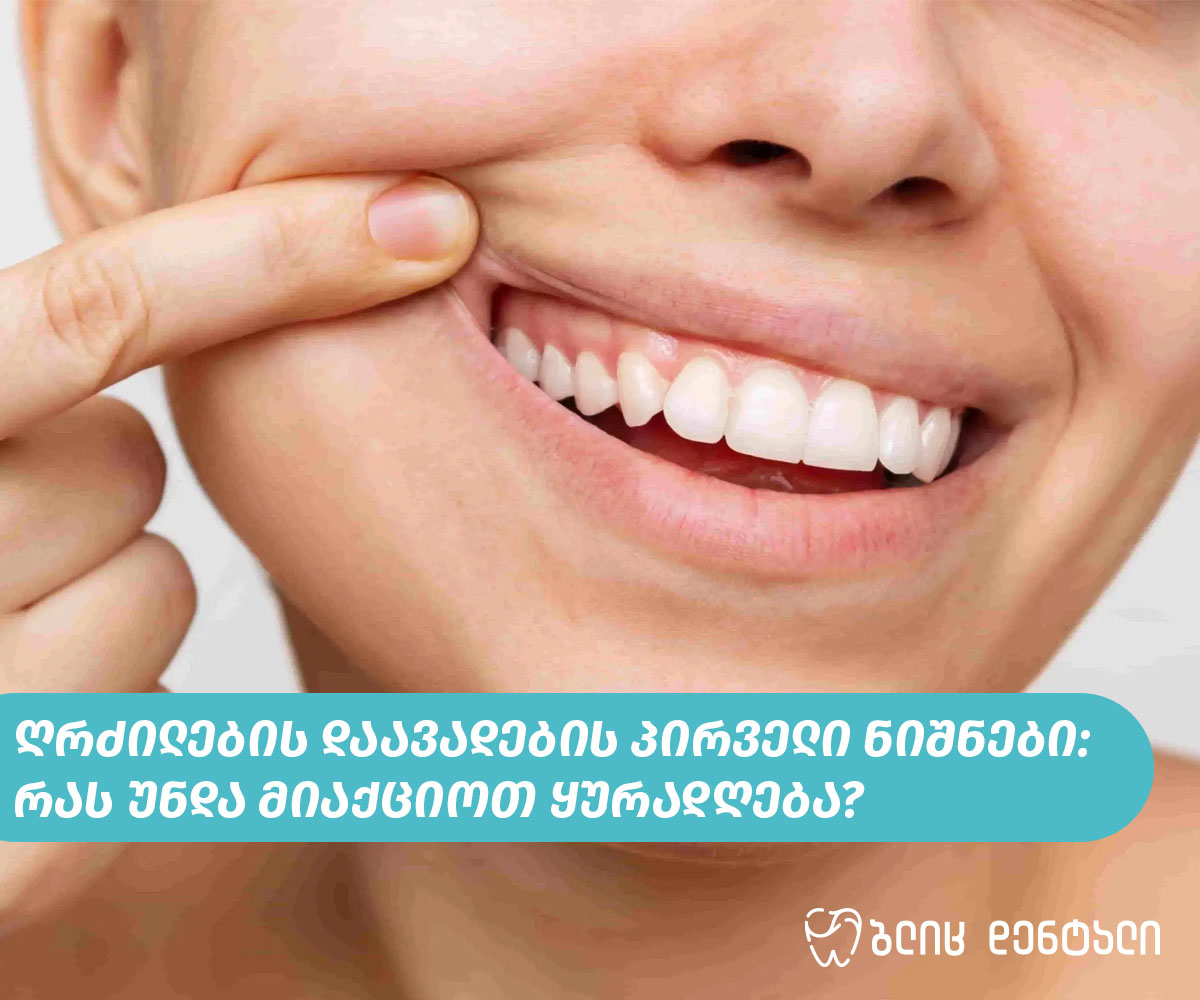
Your gums bleed, become swollen, or begin to recede.
Persistent or spontaneous pain deserves particular attention, as it may indicate damage to the dental pulp, commonly referred to as the tooth’s nerve. In such cases, using toothpaste designed for sensitive teeth alone will not address the underlying cause.
How Can You Reduce Tooth Sensitivity?
If your sensitivity is mild, making a few changes to your daily habits may help:
Use a soft-bristled toothbrush. Avoid applying excessive pressure when brushing. Aggressive brushing can damage the enamel and the gum line.
Choose toothpaste formulated for sensitive teeth. These toothpastes may help reduce discomfort in certain cases, although their effectiveness depends on the underlying cause of the sensitivity.
Reduce your consumption of acidic foods and drinks. Citrus fruits, carbonated beverages, and other acidic products can contribute to enamel erosion.
Do not brush your teeth immediately after consuming acidic foods or drinks. It is better to wait for a while before brushing.
Most importantly, if the sensitivity does not go away, do not postpone your dental appointment. Book a consultation with a general dentist at Blits Dental.
Why Should You Never Ignore Tooth Sensitivity?
Tooth sensitivity may be a temporary reaction, but it is often a symptom of another dental problem. For example, frequent, severe, or prolonged pain may be associated with tooth decay, enamel damage, or inflammation of the dental pulp.
The goal is not simply to reduce sensitivity but also to identify its underlying cause. Therefore, if your sensitivity occurs frequently, becomes more intense, or causes prolonged pain, do not wait for it to worsen. Consult a dentist to find out what is causing your discomfort.
At Blits Dental, our qualified dentists will provide a professional consultation, answer all your questions thoroughly, and help you develop a personalized treatment plan.
To book a consultation, call us at (+995) 32 222 15 16 or book an appointment online.