Dry Mouth – Causes, Symptoms, and Treatment Options
29 October 2026
Dry Mouth: Causes, Symptoms, and How to Relieve It
Dry mouth is a relatively common problem that many people experience from time to time. Sometimes, it is simply related to dehydration or breathing through the mouth. However, if the sensation occurs frequently or becomes persistent, it is important to identify the underlying cause.
Saliva plays an essential role in maintaining oral health. It keeps the tissues of the mouth moist, helps with chewing and swallowing, neutralizes acids, and protects teeth against cavities. Therefore, reduced saliva production can cause not only discomfort but also problems affecting the teeth and gums.
What causes dry mouth, how can you recognize its symptoms, and what can you do to relieve the condition?
What Is Dry Mouth?
Dry mouth, medically known as xerostomia, is a condition characterized by a feeling of dryness in the mouth. It may result from reduced saliva production or changes in saliva composition.
Saliva performs several important functions:
-
Moisturizes the oral mucosa and makes speaking more comfortable.
-
Helps with chewing and swallowing food.
-
Helps remove food particles and cleanse the mouth.
-
Neutralizes acids produced in the oral cavity.
-
Helps protect tooth enamel and maintain mineral balance.
-
Supports the balance of microorganisms in the mouth.
When saliva's protective function is reduced, the teeth and oral tissues become more vulnerable. For this reason, dry mouth should not be considered merely an unpleasant sensation, especially when it persists over time.
What Causes Dry Mouth?
Dry mouth can have various causes. In some cases, it is temporary, while in others, it may be associated with medication side effects or an underlying health condition.
1. Dehydration — Insufficient water intake, intense physical activity, excessive sweating, fever, or vomiting can increase fluid loss. As a result, the mouth may feel dry and sticky.
2. Medication side effects — Certain medications are a common cause of dry mouth. If you notice dryness after starting a new medication, consult your doctor or pharmacist.
3. Mouth breathing and nasal congestion — People who breathe through their mouths while sleeping may wake up with significant dryness. This can be caused by nasal congestion, allergies, or other conditions that make breathing through the nose difficult.
4. Stress and anxiety — Some people experience dry mouth during periods of nervousness or intense emotional stress. If the dryness occurs only in stressful situations and then disappears, it may be a temporary physical response.
5. Certain health conditions — Persistent dry mouth may sometimes be associated with underlying medical conditions. It is important to remember that dry mouth alone does not indicate a specific disease. If it persists or is accompanied by other symptoms, the underlying cause should be investigated.
What Are the Symptoms of Dry Mouth?
Dry mouth does not affect everyone in the same way. The most common symptoms include:
-
A feeling of dryness inside the mouth.
-
Frequent thirst, especially at night.
-
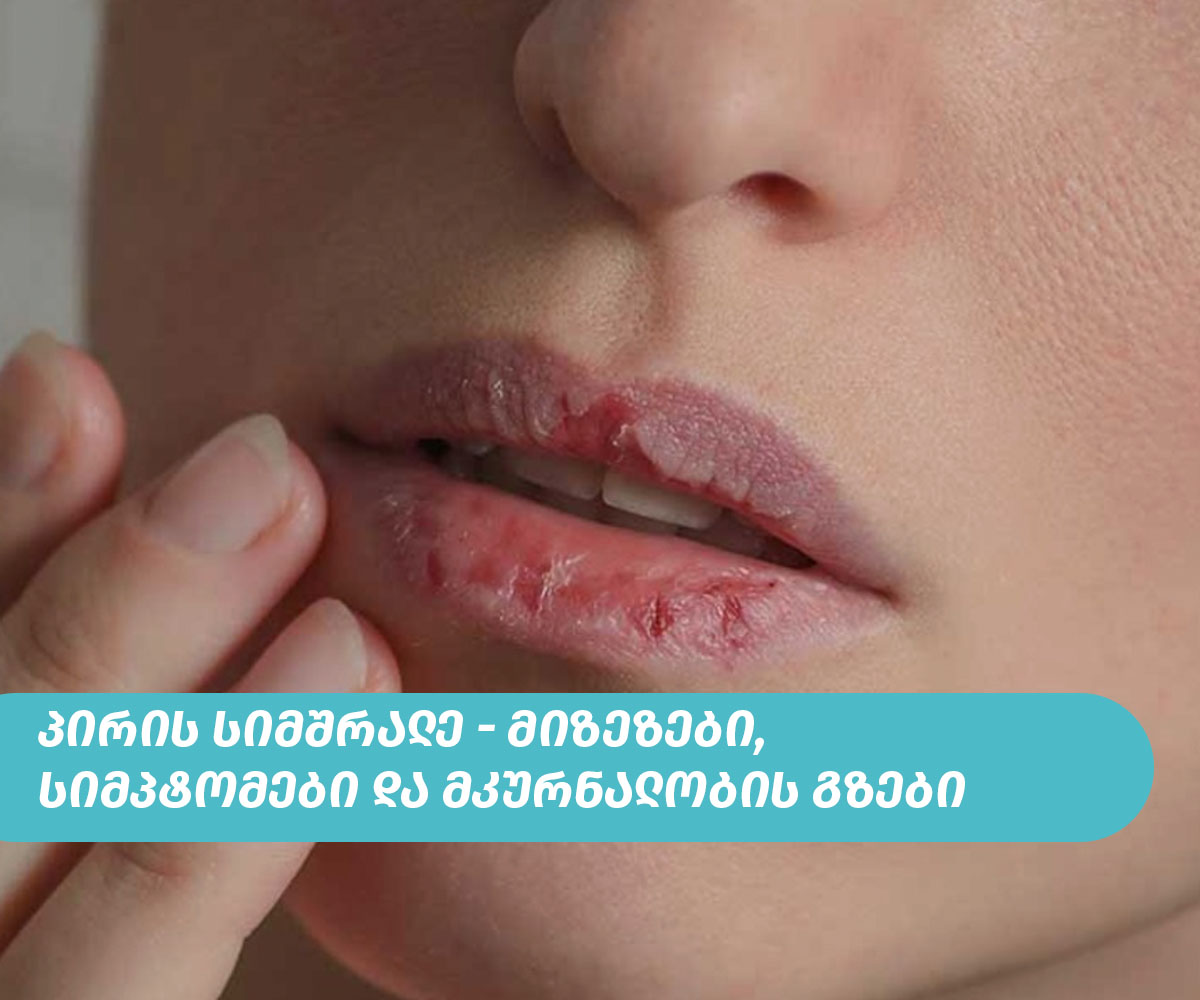
Chapped lips and a dry tongue.
-
Difficulty chewing and swallowing food.
-
Discomfort while speaking.
-
Changes in the sense of taste.
-
A burning or irritated sensation in the mouth.
-
-
Recurrent oral fungal infections or mouth ulcers.
If several symptoms occur together or the condition interferes with your daily life, it is advisable to consult a dentist or doctor.
How Does Dry Mouth Affect Teeth and Gums?
Saliva is one of the body's most important natural defenses for protecting teeth. When saliva production decreases, acids are neutralized less effectively, and food particles are not removed as efficiently. This can contribute to several problems.
Increased risk of tooth decay — When saliva's protective function is weakened, tooth enamel becomes more vulnerable to acid attacks. As a result, the risk of developing cavities increases.
Tooth sensitivity — Disruptions in the mineral balance of tooth enamel and cavities may increase sensitivity to cold, hot, or sweet foods.
Irritation of the gums and oral tissues — Dryness can cause discomfort and a burning sensation in the oral mucosa. In some cases, it may also create conditions that contribute to inflammatory problems.
Bad breath — Reduced saliva production weakens the mouth's natural cleansing process, contributing to unpleasant breath.
Fungal infections — Insufficient saliva may increase the risk of oral fungal infections, including oral candidiasis.
For these reasons, maintaining daily oral hygiene and attending regular dental check-ups are particularly important when experiencing dry mouth.
How Can You Relieve Dry Mouth?
Treatment depends on the underlying cause. If your symptoms are mild, several simple habits may help relieve the discomfort.
Drink water in small, frequent amounts — Drink water regularly throughout the day to help keep your mouth hydrated.
Chew sugar-free gum — Sugar-free chewing gum may stimulate saliva production. Choose products that do not contain sugar.
Avoid factors that worsen dry mouth — Tobacco, alcohol, and caffeinated beverages may contribute to dryness. Reducing their use may help relieve symptoms.
Maintain good oral hygiene — Brush your teeth twice a day with fluoride toothpaste and clean between your teeth daily using an appropriate interdental cleaning aid.
Use specialized moisturizing products — Special gels, sprays, and artificial saliva substitutes are available to relieve dry mouth. It is best to choose a suitable product in consultation with your dentist or pharmacist.
If dryness becomes worse at night, using a humidifier in your bedroom may also be helpful.
Keep in mind that these measures can help relieve symptoms. However, if dry mouth is caused by medication or another health condition, further evaluation and treatment may be necessary.
When Should You See a Dentist?
A dental appointment is recommended if dry mouth occurs frequently, persists for several weeks, or begins to affect the health of your teeth and gums.
Pay particular attention if:
-
Dryness interferes with eating, swallowing, or speaking.
-
You develop cavities or increased tooth sensitivity.
-
You experience pain, burning, or white patches in your mouth.
-
Dry mouth is accompanied by dry eyes or frequent urination.
-
Symptoms develop after starting a new medication.
Your dentist will assess the condition of your teeth and oral tissues and, if necessary, recommend further tests or refer you to an appropriate specialist. If dry mouth is associated with another medical condition, identifying and addressing the underlying cause is also important.
Dry mouth may seem like a minor inconvenience at first. However, ignoring persistent symptoms can increase the risk of dental and other oral health problems.
If you frequently experience dry mouth, do not postpone a consultation. Early assessment can help identify the cause and protect your oral health.
At Blits Dental, our qualified dentists will provide a professional consultation, answer your questions in detail, and help develop a treatment plan tailored to your needs.
To book a consultation, call (+995) 32 222 15 16 or book an appointment online