Why Does Bad Breath Occur Even Despite Regular Tooth Brushing? Learn about the causes of halitosis, ways to prevent it, and when to see a dentist.
30 October
To book a visit, sign up for a consultation. To clarify the details, our operator will contact you.
30 October 2026
Bad breath, medically known as halitosis, is a common problem that affects not only a person's personal comfort but also their social interactions. To prevent unpleasant breath, people often brush their teeth more frequently, use mouthwashes, chew gum, and rely on various breath-freshening products. However, despite maintaining regular oral hygiene, the problem may persist.
Why does bad breath occur even when we follow proper oral hygiene practices? Could the cause lie beyond the teeth themselves, and when is it necessary to visit a dentist?
Halitosis is a condition characterized by persistent or recurring unpleasant breath. In most cases, it is caused by bacteria naturally present in the oral cavity.
The mouth naturally contains various types of bacteria. They participate in breaking down food particles, but under certain conditions, their activity leads to the production of volatile sulfur compounds (VSCs). These substances are among the main causes of unpleasant breath.
The tongue's surface, spaces between the teeth, and gum pockets provide particularly favorable environments for these bacteria to accumulate and multiply, especially when food debris and bacterial plaque are present.
It is important to understand that bad breath does not always indicate poor oral hygiene. Sometimes, the underlying cause is a condition that cannot be identified or resolved simply by brushing the teeth.
Regular tooth brushing is essential for maintaining oral health. However, it does not always ensure thorough cleaning of every area where odor-causing bacteria can accumulate.
Let's look at the most common causes.
Many people focus only on their teeth when practicing oral hygiene and forget to clean their tongue. However, the tongue's surface, particularly its back portion, provides an ideal environment for bacterial accumulation.
The tiny irregularities on the tongue's surface allow food debris, dead cells, and bacteria to accumulate. As a result, a white or yellowish coating may develop, which is often one of the main sources of bad breath.
That is why daily oral hygiene should also include gentle tongue cleaning. A dedicated tongue scraper or a toothbrush can be used for this purpose.
A toothbrush cannot always reach the narrow spaces between the teeth. As a result, small food particles may remain trapped in these areas, eventually creating conditions for bacterial growth and unpleasant breath.
Furthermore, plaque accumulation between the teeth increases the risk of tooth decay and gum inflammation.
To prevent this, it is recommended to clean interdental spaces daily using dental floss or an appropriately sized interdental brush.
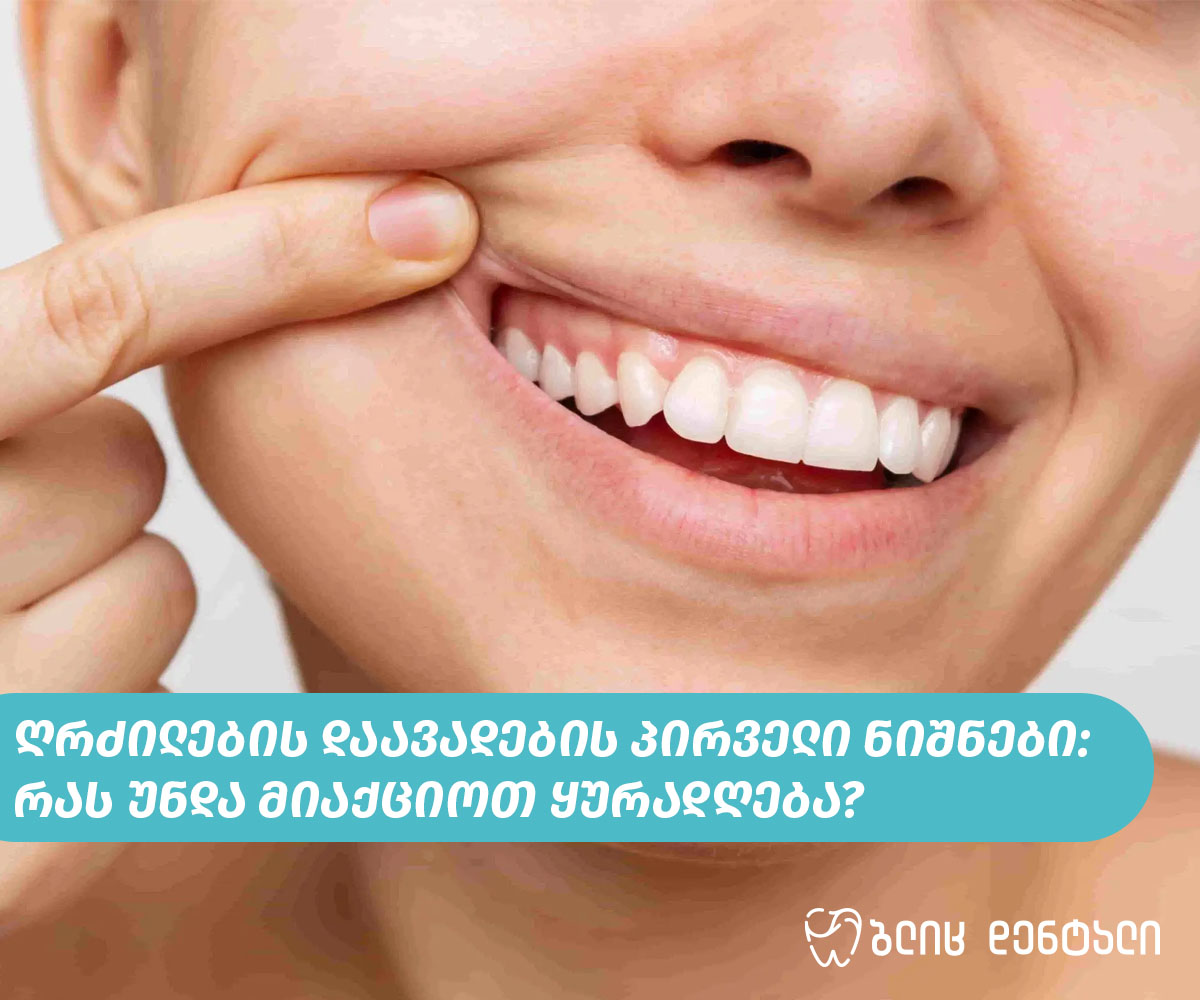
Bad breath can also be one of the signs of gum disease.
Gingivitis is an inflammatory condition of the gums, often associated with the accumulation of bacterial plaque. If left untreated, the inflammation may spread to deeper tissues and develop into periodontitis.
In periodontitis, periodontal pockets form between the teeth and gums. Bacteria, plaque, and food debris accumulate in these pockets, creating an environment that promotes unpleasant breath.
In such cases, brushing alone cannot resolve the problem. A dental examination and, if necessary, periodontal treatment are required.
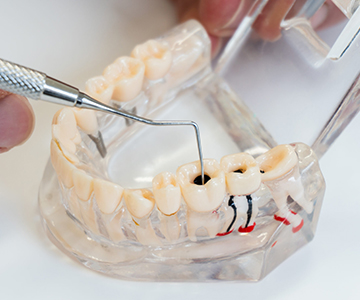
Cavities caused by tooth decay can create spaces where food debris and bacteria accumulate. The breakdown of these materials can contribute to unpleasant breath.
Particular attention should be paid to deep cavities, hard-to-clean areas of the teeth, and old dental restorations, around whose edges plaque and food particles may accumulate.
If bad breath is accompanied by toothache, increased sensitivity, or gum swelling, a dental appointment is essential.
Saliva is one of the mouth's natural defense mechanisms. It helps remove food debris, regulates oral pH, and limits excessive bacterial growth.
When saliva production decreases, the oral environment becomes more favorable for bacterial accumulation and unpleasant breath.
Common causes of dry mouth include:
Inadequate water intake and dehydration;
Mouth breathing, particularly during sleep;
Certain medications;
Tobacco use;
Salivary gland dysfunction;
Certain systemic conditions.
If dry mouth occurs frequently or persists, it is important to identify its underlying cause.
Sometimes, the source of bad breath is neither the teeth nor the gums, but the palatine tonsils located at the back of the throat.
Small crevices on the surface of the tonsils can collect food particles, dead cells, and bacteria. Over time, these materials may form small white or yellowish deposits known as tonsil stones or tonsilloliths.
They often have a strong unpleasant odor and may cause bad breath, a sensation of something stuck in the throat, or discomfort when swallowing.
If a dental examination does not identify an oral cause of bad breath, consultation with an ENT specialist may be necessary.
Certain foods and beverages can temporarily affect breath odor. Garlic, onions, certain spices, coffee, and alcohol are among the most common examples.
The sulfur-containing compounds found in garlic and onions do not affect only the oral cavity. Some of these compounds are absorbed into the bloodstream through the digestive system and subsequently released through the lungs. This explains why their characteristic odor may persist even after brushing.
Tobacco use can also contribute to dry mouth, gum disease, and the development of bad breath.
Many people believe that bad breath is primarily related to stomach problems. However, research indicates that most cases of halitosis originate in the oral cavity.
Nevertheless, in some cases, bad breath may be associated with digestive disorders, including gastroesophageal reflux disease (GERD). In this condition, stomach contents flow back into the esophagus, potentially causing a sour taste, heartburn, and sometimes unpleasant breath.
Less commonly, halitosis may be associated with respiratory tract infections or certain systemic diseases.
If dental causes have been ruled out but the problem persists, a doctor may recommend additional examinations or a consultation with an appropriate specialist.
Effectively eliminating bad breath depends on correctly identifying its underlying cause. Breath mints, chewing gum, and mouthwashes often only mask the odor temporarily without addressing the underlying problem.
To help prevent halitosis, the following practices are recommended:
Brush your teeth twice a day using fluoride toothpaste;
Clean your tongue gently every day;
Clean interdental spaces daily using dental floss or interdental brushes;
Drink sufficient amounts of water;
Limit or quit tobacco use;
Avoid frequent use of alcohol-based mouthwashes, particularly if you experience dry mouth;
Visit your dentist regularly and undergo professional dental cleanings.
It is important to choose mouthwashes carefully. They can serve as a helpful addition to your oral hygiene routine, but they cannot replace mechanical tooth cleaning, interdental hygiene, or necessary dental treatment.
If bad breath persists for several weeks despite improvements in your oral hygiene routine, it is recommended to schedule a dental appointment.
The following symptoms deserve particular attention:
Bleeding, redness, or swelling of the gums;
Toothache or increased tooth sensitivity;
Persistent coating on the tongue;
Chronic dry mouth;
An unpleasant or metallic taste in the mouth;
Frequent food impaction between the teeth.
During a dental examination, the dentist assesses the condition of the teeth, gums, tongue, and other oral tissues. Depending on the findings, professional cleaning, treatment of tooth decay, or appropriate periodontal therapy may be recommended.
If the cause of bad breath lies outside the oral cavity, the dentist may refer the patient to the appropriate specialist.
Bad breath is not merely an aesthetic concern. In some cases, it can be an early sign of an underlying oral health problem. Therefore, it is important not to rely solely on temporarily masking the odor, but to identify and address its underlying cause.
Proper daily oral hygiene, cleaning the tongue and interdental spaces, professional dental cleaning, and regular dental check-ups are all essential for maintaining oral health.
If bad breath persists, do not postpone your dental visit. Early diagnosis can help identify the cause of the problem and determine the most appropriate treatment.
At Blits Dental, our qualified dental professionals provide expert consultations, answer your questions, and help develop a personalized treatment plan tailored to your needs.
To schedule a consultation, call us at (+995) 32 222 15 16 or book an appointment online.
Why Does Bad Breath Occur Even Despite Regular Tooth Brushing? Learn about the causes of halitosis, ways to prevent it, and when to see a dentist.
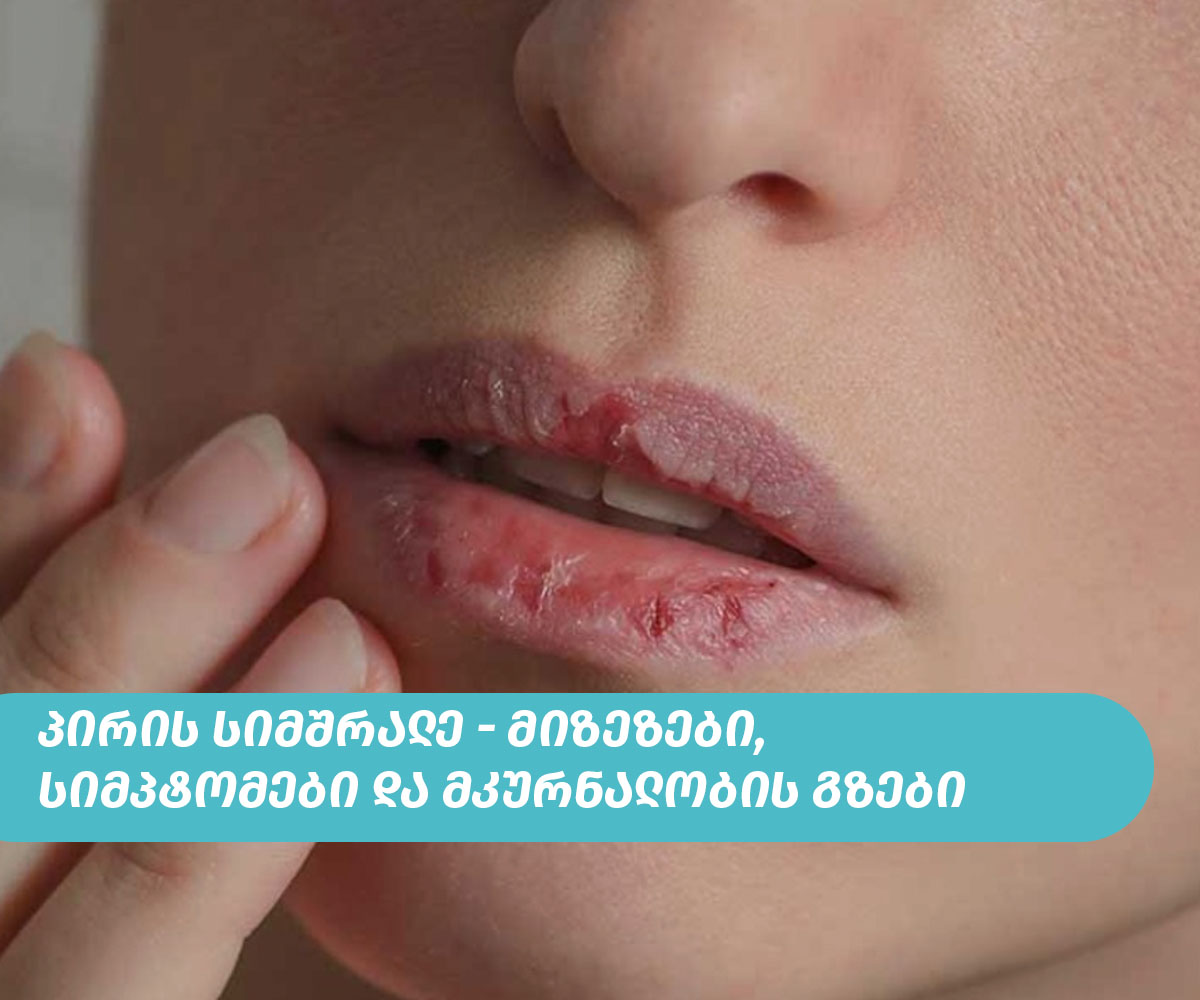
Dry mouth is a relatively common problem that many people experience from time to time. Sometimes, it is simply related to dehydration or breathing through the mouth. However, if the sensation occurs frequently or becomes persistent, it is important to identify the underlying cause.

A brief, unpleasant tingling sensation in your teeth when drinking cold water or eating sweets is familiar to many people. Sometimes, this reaction is temporary and is associated with a specific cause, such as a professional dental cleaning or minor enamel irritation. However, if the sensitivity occurs frequently, becomes more intense, or the pain persists even after the trigger is removed, it may indicate a more serious underlying issue.
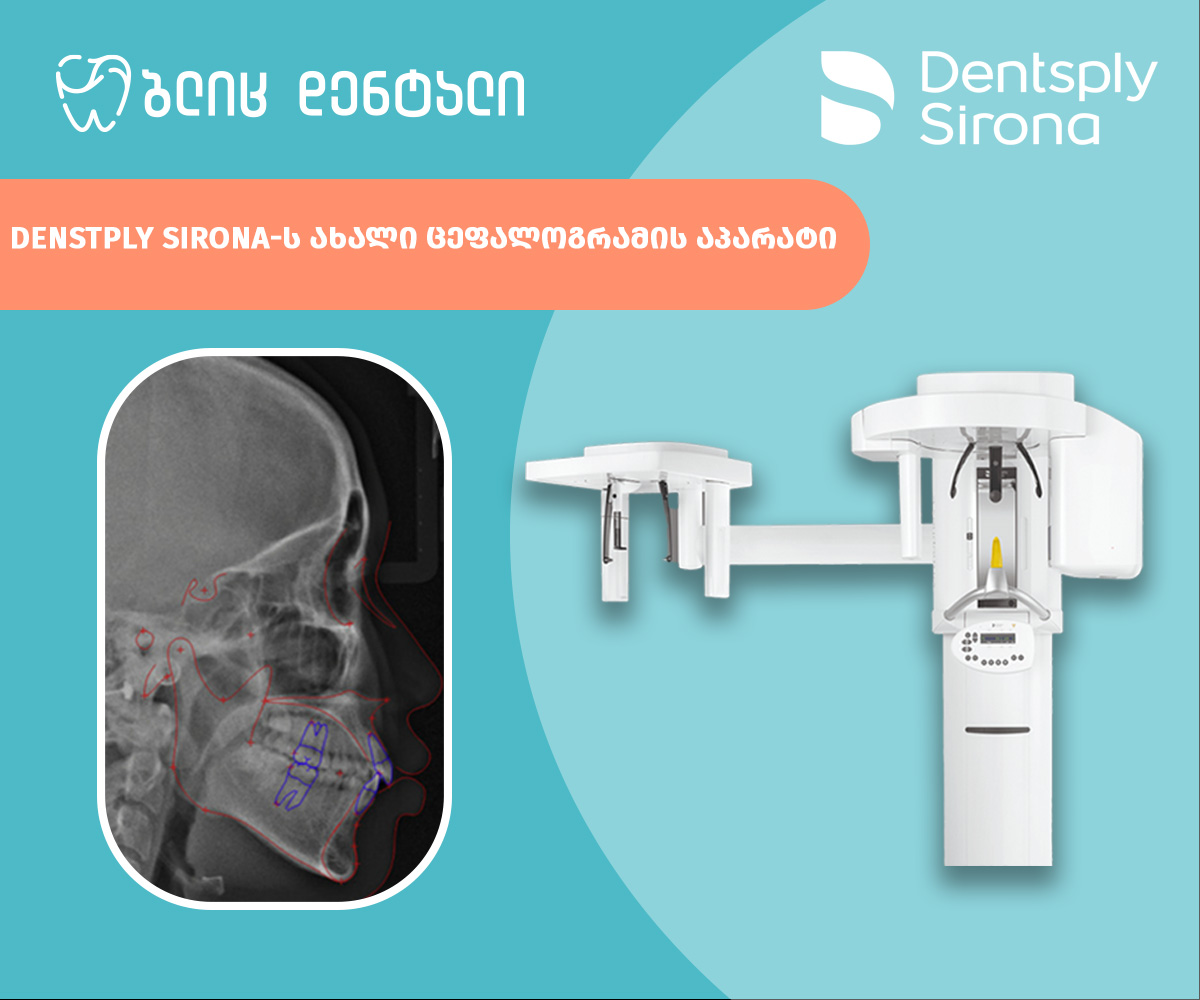
https://blitsdental.com/en/visit/consultation/blogOrthodontic treatment is not limited to straightening teeth. To achieve a beautiful, functional smile, an orthodontist needs to assess the relationship between the teeth, the upper and lower jaws, the skeletal structures of the face, and the surrounding soft tissues.

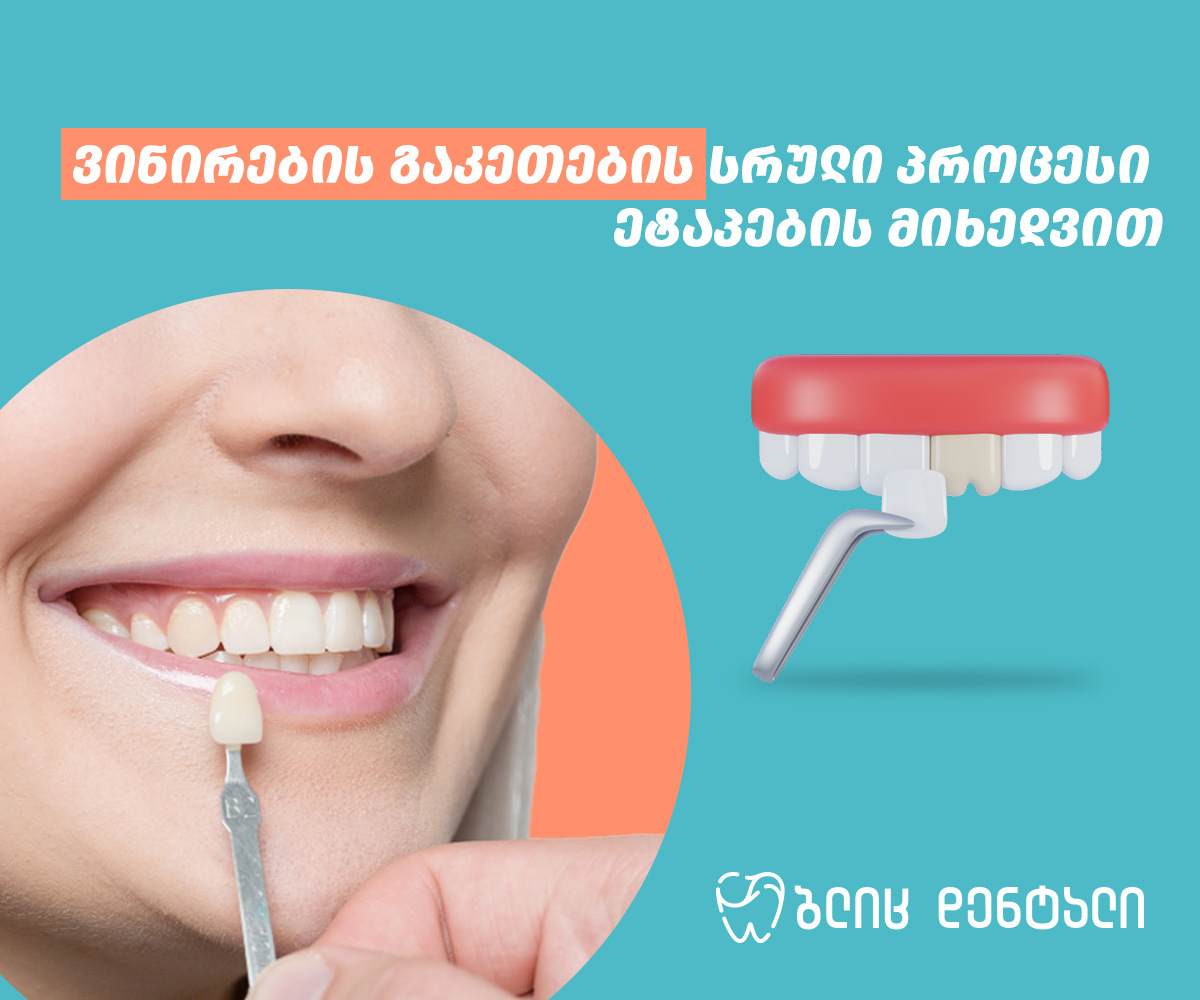

Braces are one of the most common orthodontic methods for straightening teeth and correcting bite alignment. Modern braces differ in terms of materials, appearance, and the way they work. But how do you choose the right system for you, and how long does the treatment take?
If you are planning dental treatment, summer is one of the best times for it. During the vacation season, scheduling dentist appointments is easier, allowing you to complete your treatment comfortably and on time.
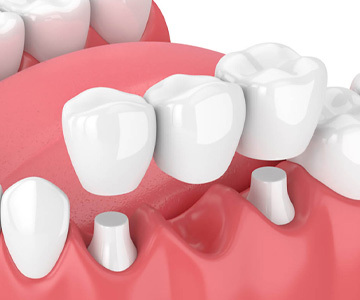
Treatment of edentulism (missing teeth) with a dental bridge is one of the most common and effective methods. A dental bridge allows for the restoration of both chewing function and smile aesthetics. It is a fixed prosthetic construction that is supported by healthy adjacent teeth and fills the space of a missing tooth. In this article, we will discuss what a dental bridge is, the types available, and how the placement process is carried out.
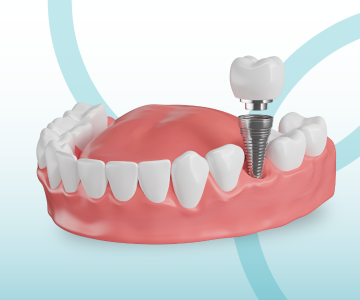
Missing teeth are no longer a problem! Dental implants offer the most advanced, durable, and natural-looking solution for restoring your smile. An implant, together with its crown, mimics a real tooth both aesthetically and functionally-helping you regain confidence, comfort, and a complete smile.

During pregnancy, hormonal changes can cause gum inflammation, bleeding, enamel erosion, and an increased risk of cavities. That’s why visiting the dentist during pregnancy is especially important.
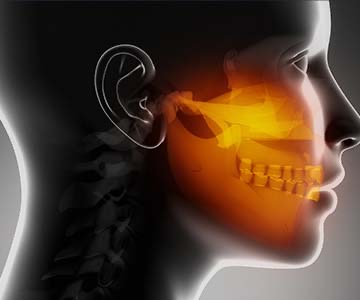
Gnathology is one of the leading branches of 21st-century dentistry. It forms the foundation for any complex dental treatment planning
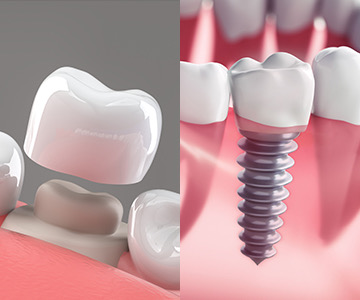
Tooth loss (edentulism) affects not only the appearance of your smile but also the overall functional health of your oral cavity
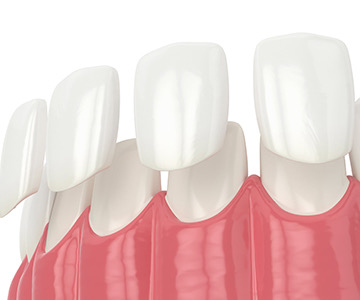
Dental veneers can be made from various materials, but ceramic (porcelain) veneers are the most widely used.

Modern aesthetic and functional dentistry is continually evolving, striving to identify restorative materials that combine exceptional strength

The eruption of baby teeth is one of the most important stages in a child’s early development.