Tooth Enamel Erosion – Causes, Symptoms, and Treatment Options
05 November 2026
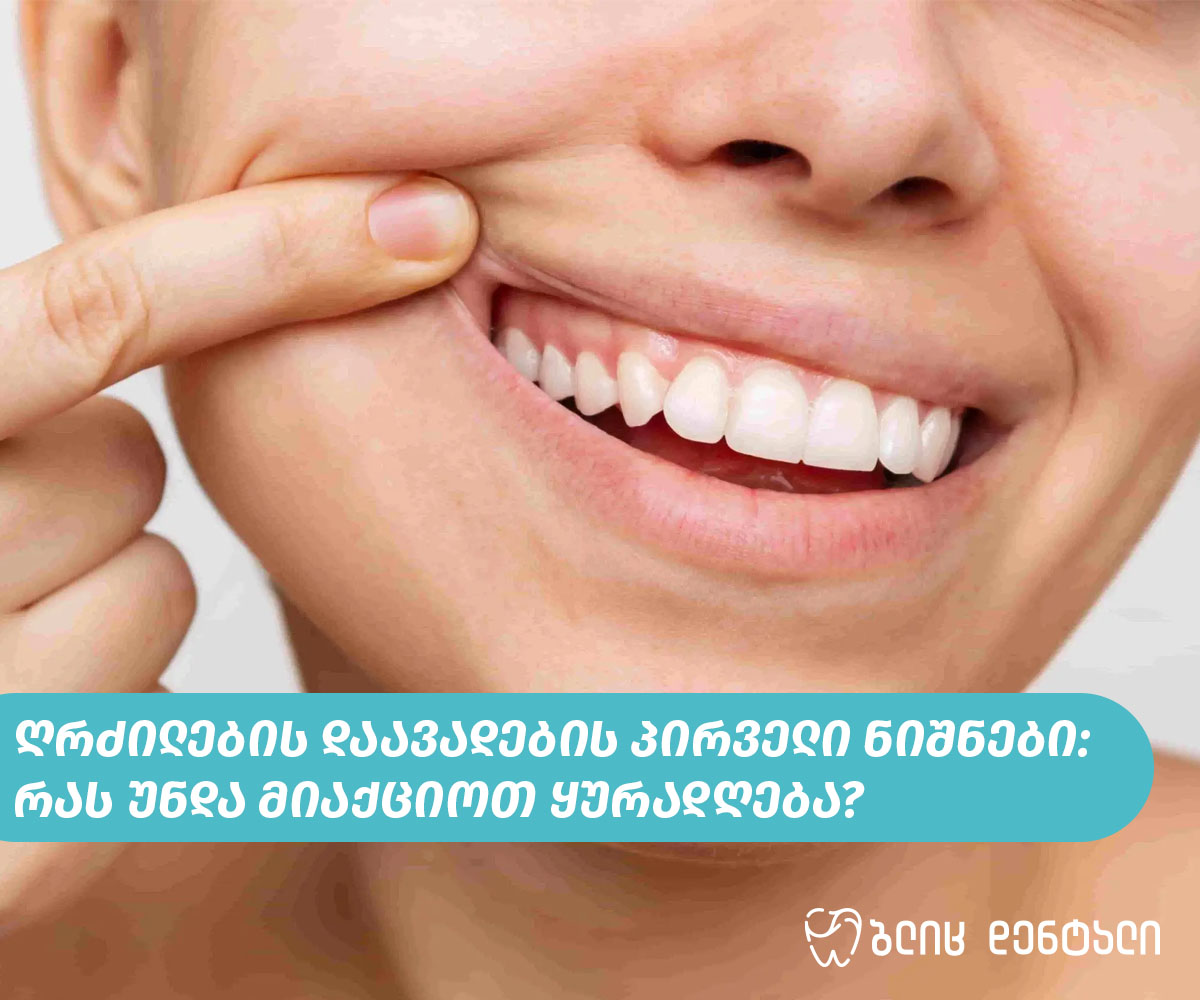
Tooth enamel is one of the hardest tissues in the human body. It covers the surface of the teeth and protects them from everyday mechanical and chemical exposure. Despite its strength, enamel can become damaged and gradually lose its thickness under the influence of certain factors. This process is known as tooth enamel erosion.
Enamel erosion often develops unnoticed. In its early stages, it may not cause pain or other clearly noticeable symptoms. However, over time, it can lead to increased tooth sensitivity, discoloration, and structural damage. Understanding what causes enamel erosion, how to recognize its early signs, and how to protect your teeth is essential for maintaining good oral health.
What Is Tooth Enamel Erosion?
Tooth enamel erosion is the gradual breakdown of the outer mineralized layer of the tooth due to acid exposure. During this process, important minerals such as calcium and phosphate are lost from the enamel, causing the tooth surface to become weaker and thinner.
Enamel erosion differs from tooth decay. Tooth decay develops as a result of acids produced by bacteria, whereas erosion is caused directly by acid exposure and does not require the presence of bacteria.
It is also important to understand that enamel cannot regenerate. Once its structure has been lost, it cannot naturally grow back. However, in the early stages, when mineral loss is still superficial and the enamel structure has not been completely compromised, remineralization can be encouraged to help slow down the progression of damage.
What Causes Tooth Enamel Erosion?
The primary cause of enamel erosion is frequent or prolonged exposure to acids in the oral cavity. These acids can enter the mouth through both dietary sources and internal bodily processes.
1. Acidic Foods and Drinks
One of the most common causes of enamel damage is the frequent consumption of products containing acids. These include:
-
Citrus fruits such as lemons, oranges, and grapefruits;
-
Carbonated drinks, including sugar-free beverages;
-
-
Energy and sports drinks;
-
Vinegar-based products and acidic sauces;
-
Certain acidic fruits and sweets.
It is important to consider not only what a person consumes but also how frequently and for how long their teeth are exposed to acids. For example, sipping small amounts of an acidic drink throughout the day exposes the enamel to repeated acid attacks.
2. Exposure to Stomach Acid
Enamel erosion is not always related to diet. In some cases, it is caused by stomach acid entering the oral cavity through the esophagus.
This may be associated with:
-
Gastroesophageal reflux disease (GERD);
-
Frequent acid reflux into the esophagus;
-
Eating disorders accompanied by episodes of vomiting.
Stomach acid is a particularly strong source of acid exposure, and repeated contact with the oral cavity can cause significant enamel damage.
3. Dry Mouth and Reduced Saliva Production
Saliva plays an essential role in protecting teeth. It helps neutralize acids, restore the normal pH balance in the mouth, and support enamel remineralization.
When saliva production decreases, teeth become more vulnerable to acid exposure. Dry mouth may be caused by dehydration, certain medications, mouth breathing, or various health conditions.
4. Improper Oral Hygiene Habits
Improper dental care can also contribute to the development and progression of enamel erosion. One particularly important habit to avoid is brushing immediately after consuming acidic foods or drinks. At this point, the enamel is temporarily softened, and the mechanical action of brushing can accelerate its wear.
How to Recognize Enamel Erosion – Common Symptoms
The signs of enamel erosion vary depending on the extent of the damage. In the early stages, changes may only be detected during a dental examination, while more advanced symptoms can become increasingly noticeable.
The most common symptoms include:
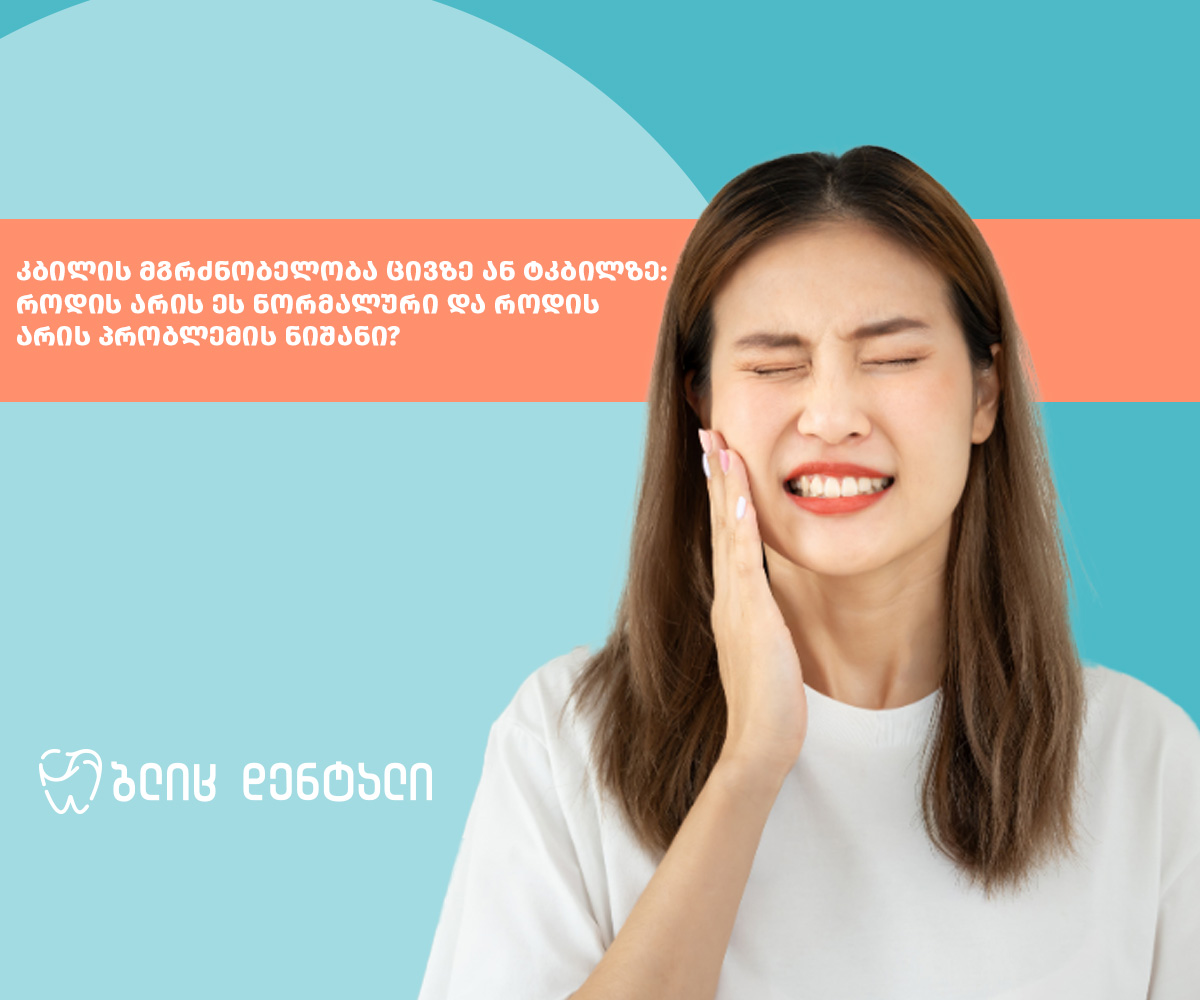
Tooth Sensitivity: Short-term discomfort or pain may occur when consuming hot, cold, sweet, or acidic foods and drinks. This happens because, as the enamel becomes thinner, the underlying dentin is increasingly exposed to external stimuli.
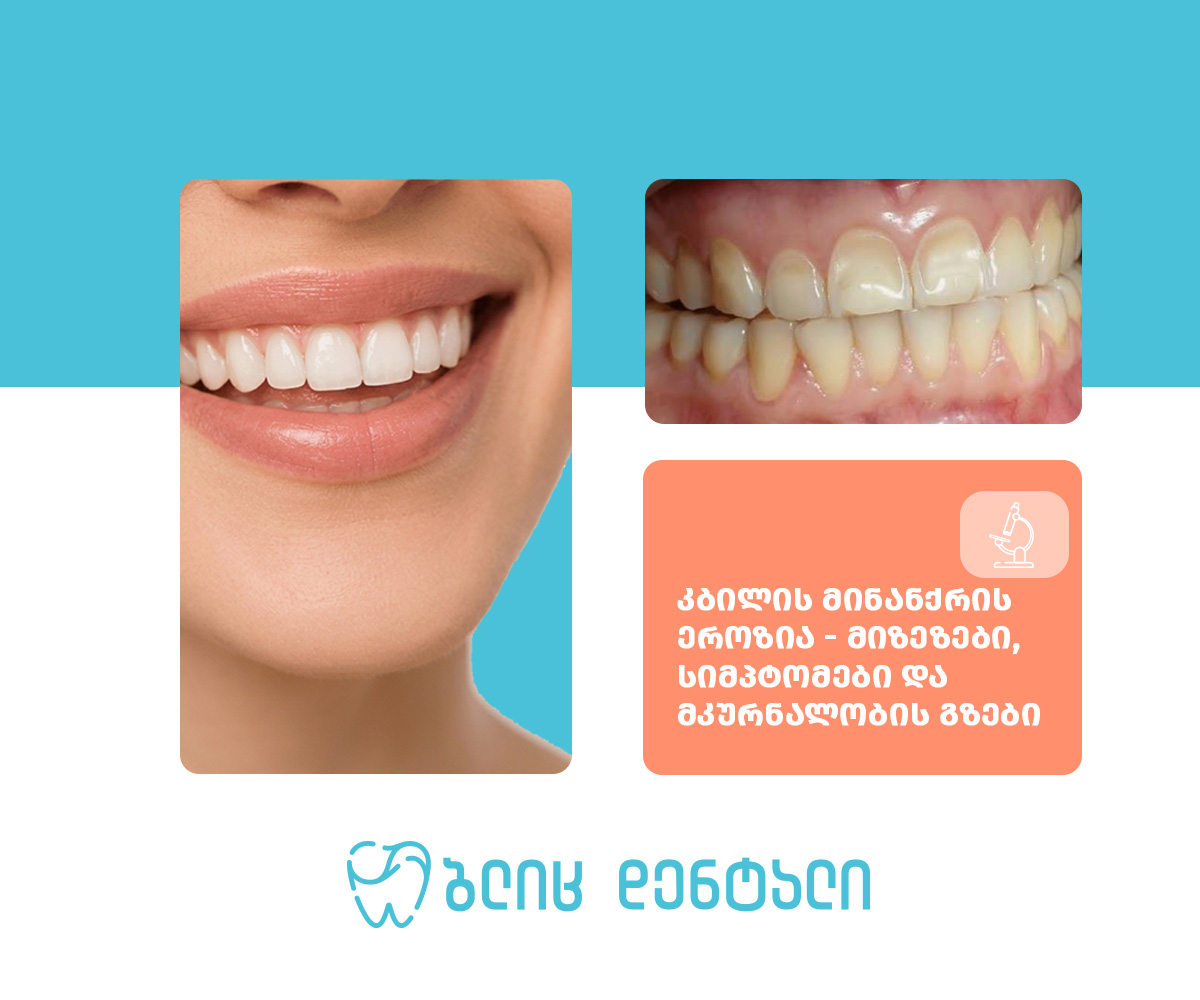
Tooth Discoloration: As the enamel thins, the yellowish dentin underneath becomes more visible. As a result, teeth may lose their natural whiteness and develop a yellowish appearance.
Changes in Tooth Surface: The enamel may become smoother, shinier, or more rounded. Small indentations and irregular areas may also appear on the tooth surface.
Translucent Tooth Edges: The biting edges of the front teeth may become translucent, which is one of the noticeable signs of enamel thinning.
Changes in Tooth Shape and Size: As erosion progresses, teeth may lose their original shape, become shorter, or develop visible indentations on their surfaces.
How Is Enamel Erosion Diagnosed?
Enamel erosion is diagnosed through a dental examination. The dentist evaluates the tooth surfaces, enamel thickness, color, structure, and the extent of the damage.
During the diagnostic process, it is also important to gather information about the patient's dietary habits, oral hygiene routine, medication use, and possible acid reflux. This helps the dentist not only assess the damage but also identify its underlying cause.
If necessary, additional examinations may be recommended to rule out other dental conditions.
How Is Tooth Enamel Erosion Treated?
Treatment for enamel erosion depends on the severity of the damage and its underlying cause. The main goals are to prevent further deterioration, reduce tooth sensitivity, and restore the lost tooth structure both functionally and aesthetically.
1. Remineralization
In the early stages, when mineral loss on the enamel surface is still reversible, the dentist may recommend fluoride-containing products or other agents that support remineralization.
These products help strengthen the enamel, improve its resistance to acids, and slow the progression of damage. However, they cannot fully restore enamel structure that has already been lost.
2. Reducing Tooth Sensitivity
If enamel erosion is accompanied by increased tooth sensitivity, special toothpaste formulated for sensitive teeth and fluoride-containing products may be recommended.
3. Restorative Treatment
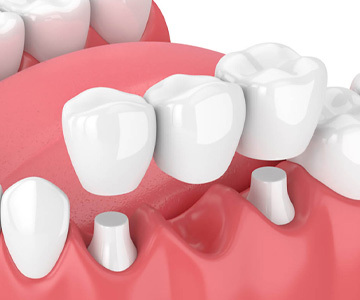
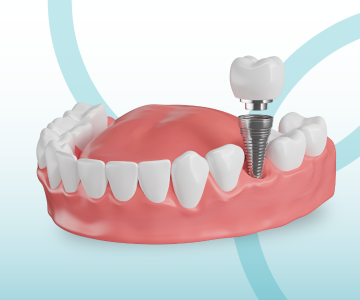
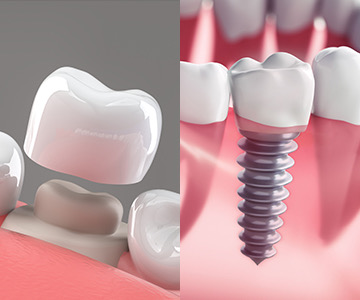
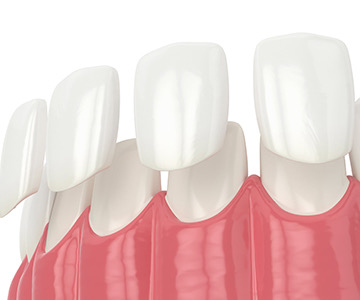
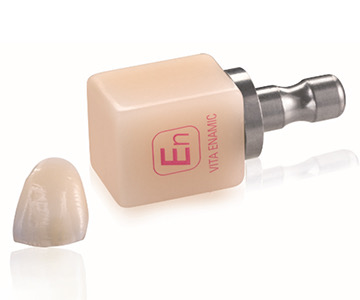
In cases of more extensive damage, when a significant portion of the enamel has been lost, restoring the tooth's shape and function may become necessary.
Depending on the extent of the damage and the condition of the tooth, the dentist may recommend:
The treatment method is selected individually for each patient. It is important to identify and control the underlying cause of erosion before proceeding with aesthetic restoration. This helps minimize the risk of further damage.
How Can Tooth Enamel Erosion Be Prevented?
Preventing enamel erosion starts with everyday habits. Following a few simple recommendations can significantly reduce acid exposure and help protect your teeth.
-
Limit frequent consumption of acidic foods and drinks – Pay particular attention to carbonated beverages, energy drinks, and fruit juices.
-
Use a straw when drinking acidic beverages – This helps reduce direct contact between the drink and your tooth surfaces.
-
Rinse your mouth with water after consuming acidic foods – This helps dilute and wash away acids in the oral cavity.
-
Avoid brushing your teeth immediately afterward – It is recommended to wait approximately 30–60 minutes after consuming acidic foods or drinks before brushing.
-
Use fluoride toothpaste – Fluoride helps strengthen enamel and protect it against acid exposure.
-
Choose a soft-bristled toothbrush – Brush your teeth gently without applying excessive pressure.
-
Drink enough water – Water helps keep the mouth hydrated and supports normal saliva function.
-
Manage acid reflux and other contributing factors – If stomach acid frequently enters the oral cavity, it is important to consult the appropriate healthcare specialist.
When Should You Visit a Dentist?
If you experience increased sensitivity to cold, hot, or sweet foods and drinks, notice changes in tooth color, or observe indentations or translucent edges on your teeth, it is advisable not to postpone your dental appointment.
Early detection of enamel erosion allows the underlying cause to be identified, the condition to be managed, and further tooth damage to be prevented.
At Blits Dental – Kharebava Clinic, our qualified dentists provide professional consultations, answer all your questions, and help develop a personalized treatment plan tailored to your needs.
To schedule a consultation, call us at (+995) 32 222 15 16 or book an appointment online.
For more information about our specialists, visit our dental team page.