Mouth Breathing and Its Impact on Oral Health
12 November 2026
Breathing is one of the most essential physiological processes in the human body. However, for various reasons, people may frequently breathe through their mouths. When this occurs temporarily, such as during a common cold, it generally does not cause significant concern. However, when mouth breathing becomes a persistent habit, it can affect not only the respiratory system but also oral health.
Mouth breathing is particularly important to address in children, as it may be associated with certain aspects of craniofacial development. In adults, it can also contribute to dry mouth, bad breath, and an increased risk of developing certain dental problems.
How Does Mouth Breathing Affect Oral Health?
Saliva plays an essential role in maintaining oral health. It keeps the oral mucosa moist, helps remove food debris, neutralizes acids, and protects tooth enamel against bacteria and other harmful factors.
Mouth breathing can lead to oral dryness. When saliva's protective function is reduced, the risk of developing various oral health problems increases.
1. Dry Mouth
One of the most common consequences of mouth breathing is dry mouth. This is particularly noticeable at night, when saliva production naturally decreases.
Patients may experience:
-
Dryness and discomfort in the mouth;
-
Dryness of the tongue and oral mucosa;
-
A dry throat, especially in the morning;
-
Discomfort when swallowing or speaking;
-
If this condition persists, reduced salivary protection may contribute to other dental problems.
2. Increased Risk of Tooth Decay
Saliva is one of the most important natural protective mechanisms for tooth enamel. It helps regulate acidity in the oral cavity and supports the remineralization process.
When the mouth remains constantly dry, these protective mechanisms become less effective. As a result, the risk of tooth surface demineralization and the development of dental caries increases.
Particular attention should be paid to the cervical areas of the teeth and surfaces close to the gumline, where plaque accumulation and the development of carious lesions may occur more easily.
3. Gum Irritation and Inflammation
During mouth breathing, the constant airflow can dry out the oral mucosa and gum surfaces. In some cases, this may lead to gum irritation, redness, and discomfort.
Furthermore, patients who breathe through their mouths may experience increased plaque accumulation and gum bleeding. This is particularly important in children, as research suggests a possible association between mouth breathing and inflammatory changes in the gums.
4. Bad Breath
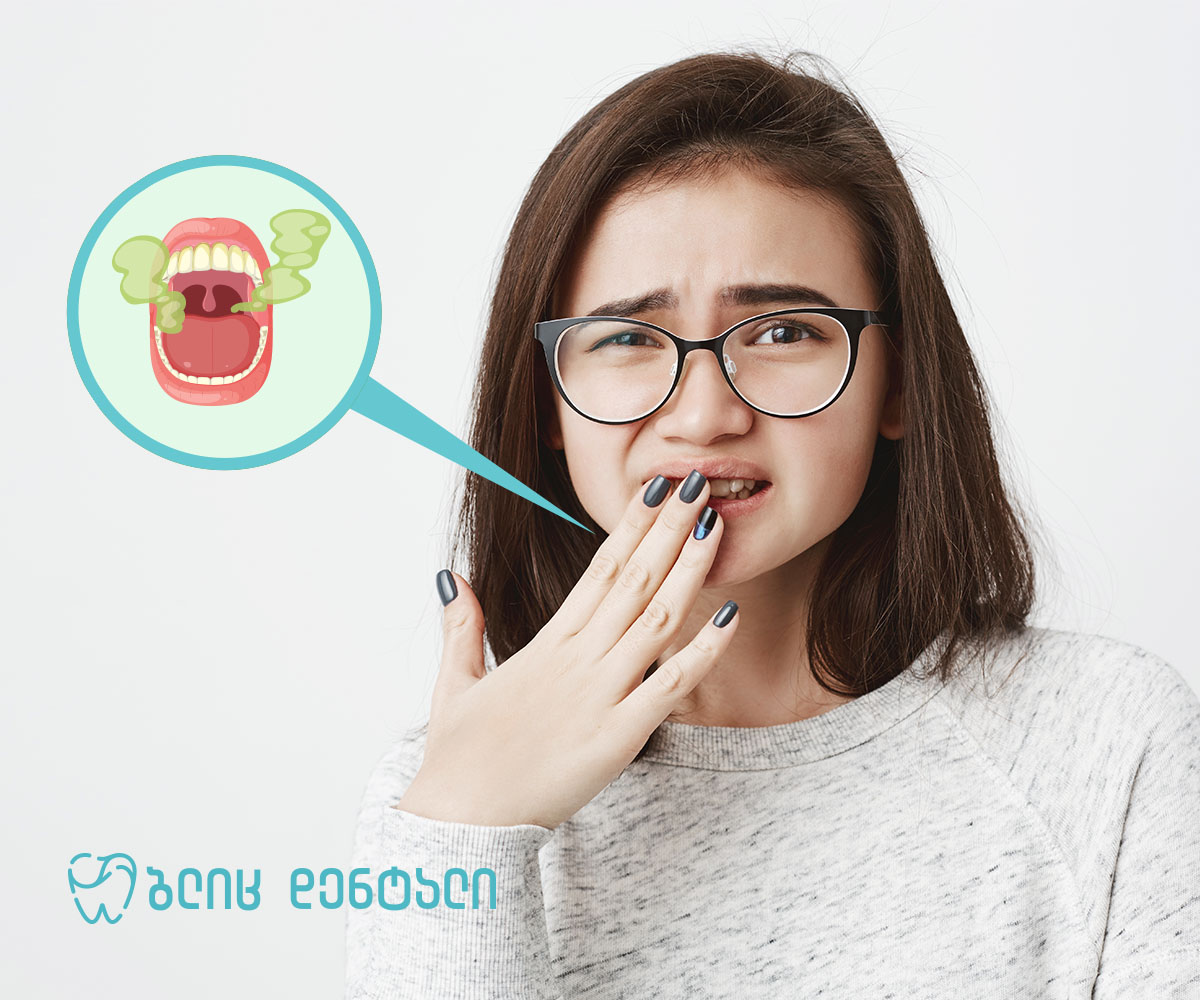
Dry mouth is one of the contributing factors to halitosis, commonly known as bad breath.
Saliva helps remove bacteria and food debris from the oral cavity. When its protective and cleansing functions are reduced, bacterial plaque may accumulate, while compounds produced by bacteria can cause unpleasant breath.
Therefore, if a person consistently experiences bad breath in the morning, it is important to assess both their oral hygiene and their breathing patterns during sleep.
Mouth Breathing in Children – Why Is Early Attention Important?
Mouth breathing requires particular attention during childhood because the craniofacial system undergoes significant development during this period.
Prolonged mouth breathing may be associated with changes in resting tongue posture, lip closure, and the function of the orofacial muscles. Some children may develop a narrowed palate, dental misalignment, and malocclusion.
Possible signs include:
-
Keeping the mouth constantly open while at rest;
-
-
Difficulty breathing through the nose;
-
Difficulty keeping the lips closed;
-
Crowded teeth or changes in bite alignment;
-
Dry mouth in the morning.
It is important to note that mouth breathing does not automatically indicate a craniofacial developmental disorder. These changes are influenced by multiple factors, including genetic characteristics and the condition of the airways.
For this reason, early assessment by both an otolaryngologist (ENT specialist) and a dentist is important. If necessary, an orthodontist may also be involved in the treatment process.
How Is Mouth Breathing Diagnosed and Treated?
Managing mouth breathing begins with identifying its underlying cause. Simply focusing on changing the breathing habit is not sufficient if nasal breathing is obstructed by an anatomical or other medical condition.
The diagnostic process may involve:
-
Consultation with an otolaryngologist (ENT specialist) – to assess the condition of the nose, nasopharynx, and airways.
-
Consultation with an allergist – to identify allergic rhinitis or other allergic conditions.
-
Dental examination – to evaluate the teeth, gums, oral mucosa, and overall oral hygiene.
-
Orthodontic assessment – to evaluate craniofacial development and bite characteristics in children.
Treatment depends on the underlying cause. In cases of allergies, appropriate medication may be required. If enlarged adenoids or problems with the nasal septum are present, the doctor may consider other treatment options.
From a dental perspective, preventing tooth decay and gum disease, maintaining proper oral hygiene, and managing oral dryness are particularly important.
How Can You Protect Your Oral Health When Breathing Through Your Mouth?
If mouth breathing is a persistent problem, it is essential to address its underlying cause. At the same time, the following measures are recommended to maintain good oral health:
-
Brush your teeth twice a day using fluoride toothpaste.
-
Clean between your teeth daily.
-
Drink sufficient amounts of water throughout the day.
-
Limit frequent consumption of sugary foods and beverages.
-
If necessary, use oral moisturizing products recommended by your dentist.
-
Schedule regular preventive dental check-ups.
It is particularly important not to use nasal medications independently for prolonged periods if you experience difficulty breathing through your nose. Instead, consult an appropriate specialist.
It is also not recommended to use special adhesive tapes to force the mouth closed during sleep unless nasal breathing capacity and possible respiratory disorders have been properly assessed beforehand.
Conclusion
Mouth breathing may seem like a minor habit at first glance, but when it becomes persistent, it requires attention. Dry mouth, an increased risk of tooth decay, gum irritation, and bad breath are among the problems that may be associated with this condition.
At Blits Dental, our qualified dental professionals provide expert consultations, answer all your questions comprehensively, and help develop a personalized treatment plan tailored to your individual needs.
To schedule a consultation, contact us at (+995) 32 222 15 16 or book your appointment online.