Teeth and Overall Health – A Connection We Should All Know About
18 November 2026
Teeth and Overall Health – A Connection We Should All Know About
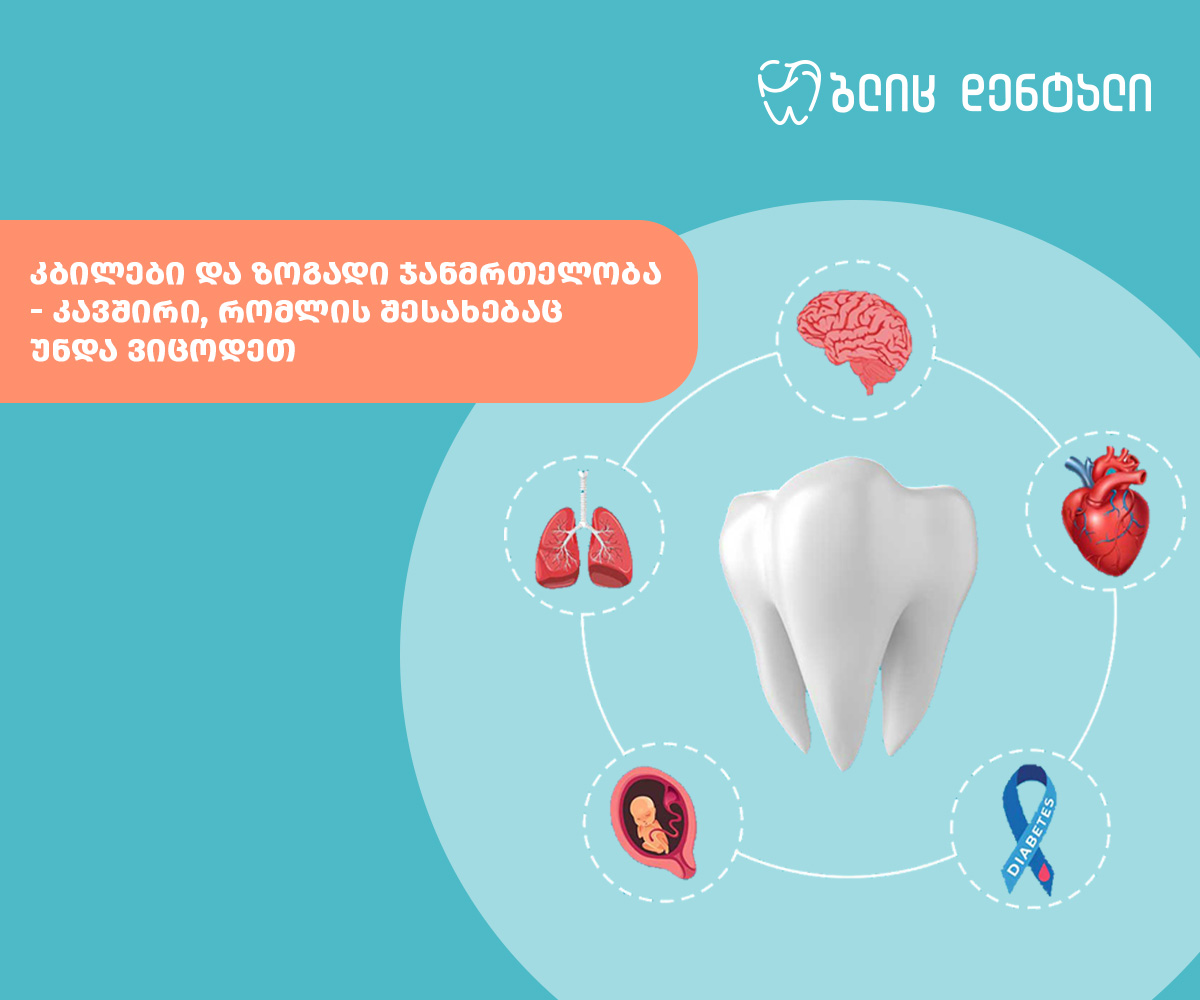
Oral health is an important part of overall health. The condition of the teeth and gums affects more than just the aesthetics of a smile – it is also connected to the functioning of various systems in the body. Inflammatory processes, bacterial infections, and chronic conditions that develop in the oral cavity can sometimes affect a person's general health.
Modern medicine is increasingly focusing on the relationship between oral health and other body systems. Particular attention is being paid to periodontal diseases, diabetes, cardiovascular diseases, and oral health during pregnancy.
Why is regular monitoring of oral health important, and how are dental problems connected to the body's overall condition?
Is There a Connection Between Gum Disease and Periodontitis?
The oral cavity is often referred to as the body's "gateway." Therefore, pathological changes occurring in the mouth should not be viewed merely as localized inflammatory processes, but also in terms of their potential impact on the entire body.
Numerous modern studies confirm the influence of oral diseases on the progression of systemic conditions. Among these, the relationship between oral health and cardiovascular diseases is one of the most extensively studied.
Untreated inflammatory gum diseases can complicate the management of cardiovascular conditions, and vice versa.
In patients with periodontitis, bacteria can enter the bloodstream, which is particularly concerning because oral bacteria may contribute to infective endocarditis in susceptible cardiac patients.
On the other hand, certain medications used to treat cardiovascular conditions can affect gum health and may cause gum inflammation or excessive gum enlargement. Therefore, managing such patients in coordination with specialists from both fields is advisable to ensure comprehensive patient care.
Diabetes and Oral Health
Diabetes is one of the conditions that has a particularly close relationship with oral health. This relationship is bidirectional: diabetes can increase the risk of developing certain oral diseases, while chronic inflammatory processes may make blood glucose levels more difficult to control.
In people with diabetes, elevated blood glucose levels affect the body's immune response, blood vessel function, and tissue healing processes. As a result, the risk of periodontitis, oral infections, and delayed healing increases.
In turn, chronic inflammation associated with periodontitis may worsen the body's sensitivity to insulin and make glycemic control more difficult.
For patients with diabetes, the following are particularly important:
-
Regular dental visits;
-
Monitoring gum health;
-
Proper daily oral hygiene;
-
Timely treatment of oral infections;
-
Maintaining appropriate blood glucose levels.
Maintaining good oral health is an important additional component of diabetes management.
Oral Infections and Their Potential Complications
If dental caries is left untreated, the condition may worsen, with the damage spreading into the deeper tissues of the tooth and causing inflammation of the dental pulp, known as pulpitis. In some cases, the infection may spread to the tissues surrounding the tooth root, leading to the development of a dental abscess.
A dental abscess is a purulent inflammatory condition that often presents with severe pain, swelling, and sometimes an elevated body temperature. If left untreated, the infection may spread to surrounding tissues and, in rare cases, cause more serious systemic complications.
Swelling of the face or neck, difficulty swallowing or breathing, and high fever are particularly concerning symptoms. In such cases, urgent medical evaluation is necessary.
This is why the temporary disappearance of a toothache does not necessarily mean that the underlying problem has been resolved. Timely diagnosis and appropriate treatment of the source of infection are essential for preventing complications.
Pregnancy and Oral Health
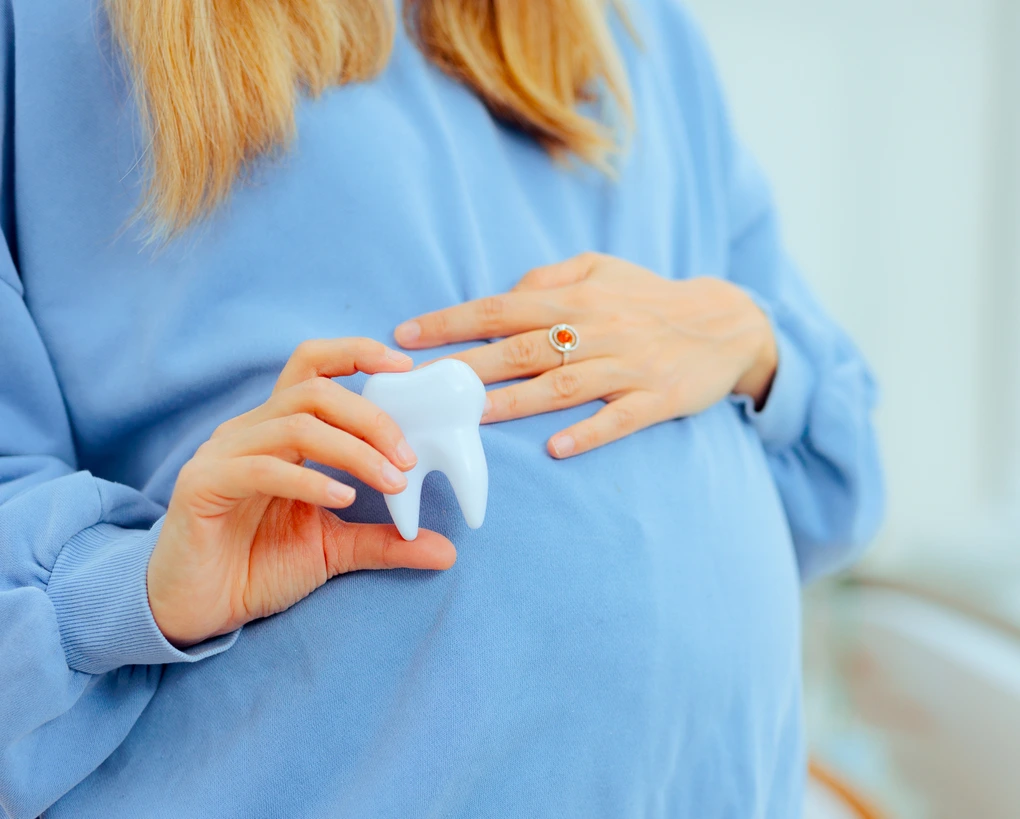
Hormonal changes that occur during pregnancy can affect the sensitivity of gum tissues. During this period, the gums may develop a stronger inflammatory response to bacterial plaque, increasing the likelihood of pregnancy gingivitis.
Common symptoms include gum redness, swelling, and bleeding during tooth brushing.
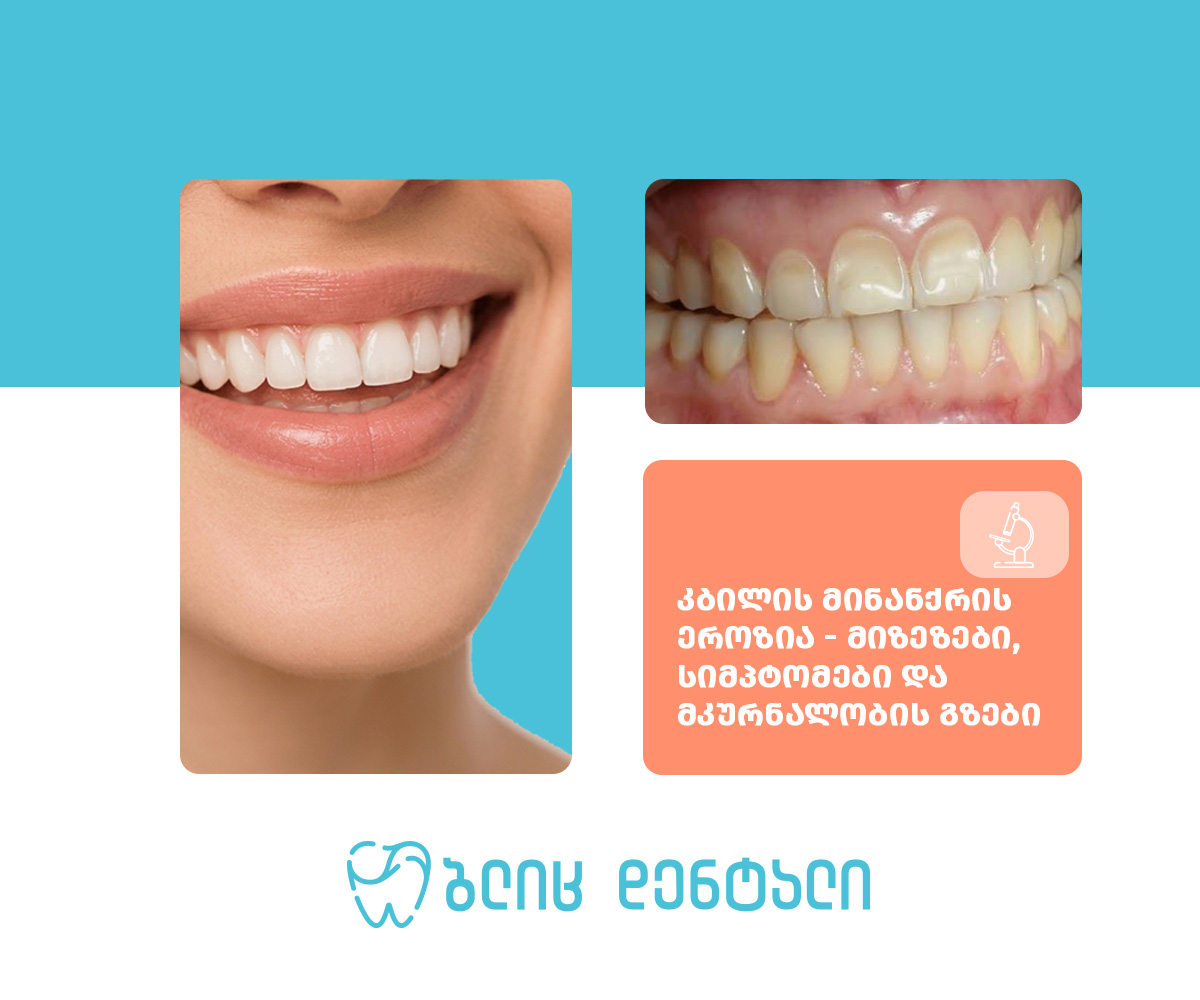
In addition, nausea and vomiting during pregnancy may increase the risk of tooth enamel erosion. Maintaining proper oral hygiene is especially important in light of hormonal changes and alterations in dietary habits.
Certain associations have been identified between periodontal diseases and adverse pregnancy outcomes, although a direct cause-and-effect relationship has not yet been fully established.
There is no need to postpone dental visits during pregnancy. On the contrary, preventive examinations and necessary dental treatment are important for maintaining both maternal and oral health.
Oral Health and the Digestive System
The oral cavity is the first part of the digestive system, where the mechanical breakdown of food begins. Damaged or missing teeth, pain during chewing, and bite disorders may interfere with proper food breakdown. As a result, people may sometimes need to change their diet and choose softer foods.
Saliva plays an important role not only in the initial stages of digestion but also in the natural protection of the oral cavity. It helps remove food particles, neutralize acids, and support the remineralization of tooth enamel.
Reduced saliva production, known as hyposalivation, increases the risk of dental caries, oral infections, and swallowing discomfort.
Therefore, the health of the teeth, gums, and salivary glands is essential for maintaining normal eating and digestive functions.
Why Are Regular Dental Visits Important?
Many oral diseases do not cause noticeable symptoms in their early stages. For example, periodontitis may develop almost unnoticed over an extended period before damage to the supporting tissues of the teeth becomes more pronounced.
Regular dental check-ups make it possible to detect dental caries, gum diseases, dental infections, and other pathological changes in the oral cavity at an early stage.
The frequency of preventive dental visits is determined individually, taking into account the patient's age, oral health condition, and risk factors.
It is particularly important to inform your dentist about any existing chronic conditions, medications you are taking, and changes in your health status. This information helps the dentist develop an appropriate and safe treatment plan.
Maintaining good health requires a comprehensive approach, and protecting oral health is an essential part of this process.
Blits Dental – Caring for Your Smile and Your Health.
At Blits Dental, qualified dental professionals provide expert consultations, answer your questions thoroughly, and help you develop a personalized treatment plan.
To book a consultation, contact us at (+995) 32 222 15 16 or book an appointment online.