How Long Do Dental Implants Last and What Determines Their Longevity?
25 November 2026
Dental implant treatment is one of the most reliable and long-term solutions for replacing missing teeth. Modern implantology makes it possible to restore not only the aesthetics of a smile but also proper dental function and full chewing ability. However, when considering dental implant treatment, patients often have several questions: How long do dental implants last, and can they last a lifetime?
The longevity of a dental implant depends on several factors, including the quality of the implant, the condition of the bone tissue, the precision of the surgical procedure, oral hygiene, and the patient's daily habits. With proper treatment planning and appropriate care, dental implants can function for several decades.
This article explores what determines the lifespan of dental implants, which factors affect their durability, and how to maintain the results for as long as possible.
How Many Years Do Dental Implants Last?
The average functional lifespan of a dental implant is approximately 10–15 years or longer. The actual outcome depends on the patient's individual condition and the circumstances of the treatment.
It is important to distinguish between implant stability and functionality. Stability means that the implant remains firmly integrated into the surrounding bone tissue and does not require replacement. Functionality, on the other hand, means that the restoration attached to the implant provides proper chewing function and maintains the aesthetics of the smile.
Therefore, it is important to consider not only the condition of the implant itself but also the durability of the crown and other fixed prosthetic components attached to it.
What Factors Determine the Longevity of Dental Implants?
The durability of a dental implant is not determined solely by its manufacturer or material quality. Achieving long-term results requires attention at every stage of treatment, from the initial diagnosis to daily implant care.
1. Implant Quality and Materials Used
Most dental implants are made of biocompatible titanium, which is known for its strength, durability, and ability to integrate with bone tissue. Both the material and the precision of the surgical procedure play an important role in the implant's long-term functionality.
Using implants from reputable manufacturers that meet international standards makes treatment outcomes more predictable. However, even a high-quality implant cannot guarantee long-term success without properly performed surgery and appropriate aftercare.
2. Bone Tissue Condition
Successful long-term implant function requires firm integration with the jawbone. After implant placement, bone cells form a close connection with its surface. As a result, the implant becomes securely anchored in the bone and can function properly.
If a patient has insufficient bone volume or density, additional procedures may be necessary, such as bone augmentation or sinus lifting. Assessing the condition of the bone tissue in advance is an essential prerequisite for successful implant treatment.
3. Surgical Precision and Treatment Planning
The success of dental implant treatment largely depends on proper planning and the precision of the surgical procedure. The implant's position, placement angle, depth, and fixation within the bone all affect its stability and the future functionality of the attached crown.
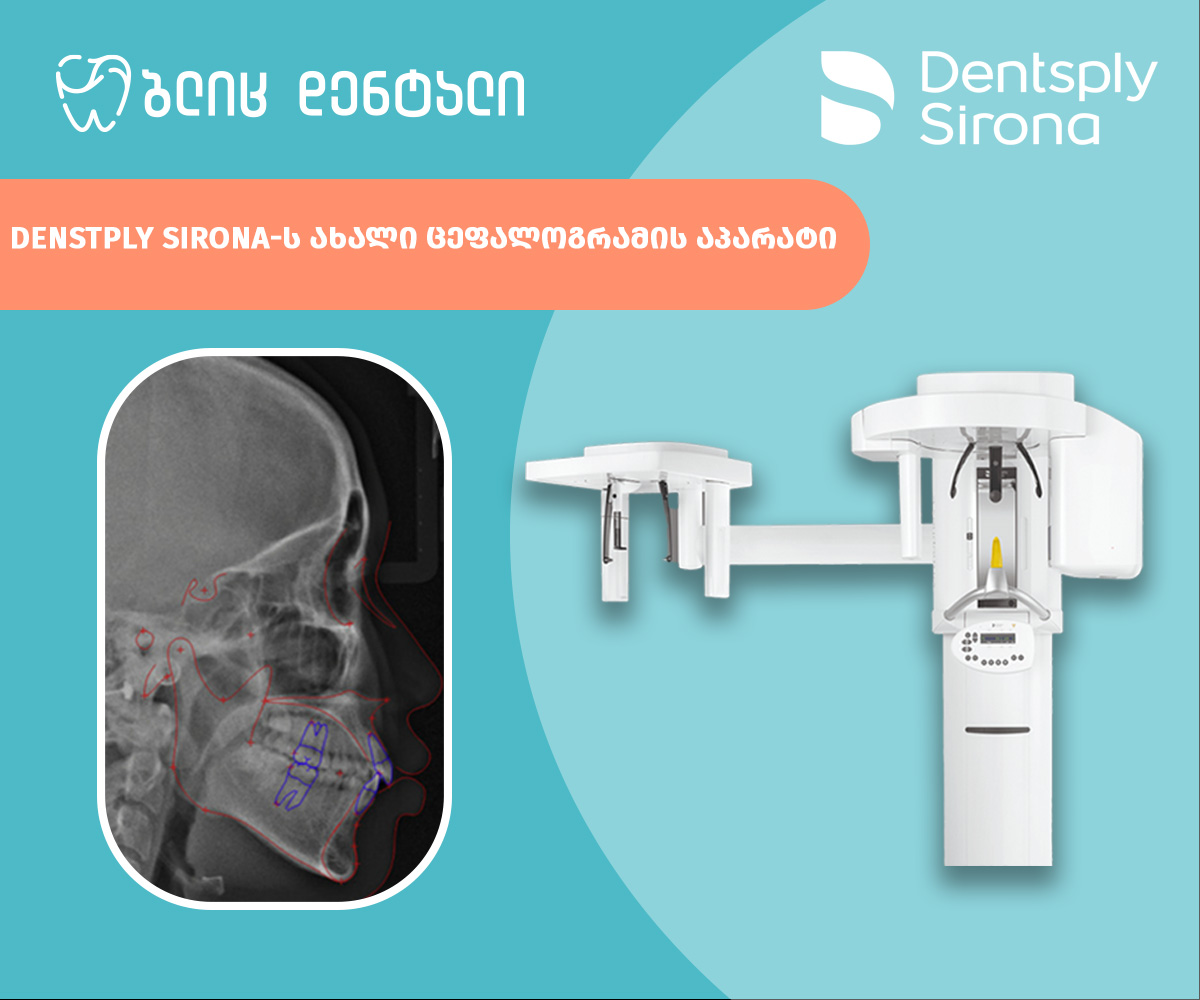
Computed tomography (CBCT) is used for preliminary diagnostics, allowing the dentist to evaluate the bone structure and anatomical features in detail and plan implant placement according to the patient's individual needs.
4. Oral Hygiene and Daily Care
Proper oral hygiene is one of the most important conditions for maintaining dental implants over the long term.
If bacterial plaque accumulates around an implant, inflammation of the soft tissues may develop. Without timely treatment, the inflammatory process can sometimes progress into peri-implantitis, which also affects the surrounding bone tissue.
Peri-implantitis can lead to bone loss around the implant, reduced stability, and, ultimately, implant failure.
To prevent these complications, it is essential to:
-
Maintain proper oral hygiene at least twice a day.
-
Thoroughly clean the areas surrounding the implant.
-
Use interdental brushes and other appropriate oral hygiene products.
-
Undergo professional dental cleaning as recommended by your dentist.
-
Attend regular check-ups to monitor the condition of the implant.
Oral hygiene should not be limited to cleaning the tooth surfaces. Special attention should also be given to the areas where the implant restoration meets the gum tissue.
5. Lifestyle and General Health
A patient's daily habits and overall health can directly or indirectly affect the longevity of dental implants.
Several factors require particular attention:
-
Smoking: Nicotine and other substances associated with tobacco use negatively affect blood circulation in the tissues and the healing process. Smoking also increases the risk of peri-implant diseases.
-
Diabetes: Patients with diabetes, particularly when blood glucose levels are poorly controlled, may experience impaired tissue healing and an increased risk of inflammatory complications.
-
Periodontal diseases: A history of gum disease requires additional attention, as these patients may have a higher risk of developing peri-implant inflammation.
-
Bruxism: Involuntary teeth grinding and clenching place additional mechanical stress on dental implants, potentially causing damage to the prosthetic restoration or other complications.
For this reason, when planning implant treatment, the dentist must consider not only the condition of the oral cavity but also the patient's general health and lifestyle.
Do Dental Implants Last Longer Than the Crowns Attached to Them?
This is an important distinction, as patients often perceive the implant and the crown attached to it as a single structure.
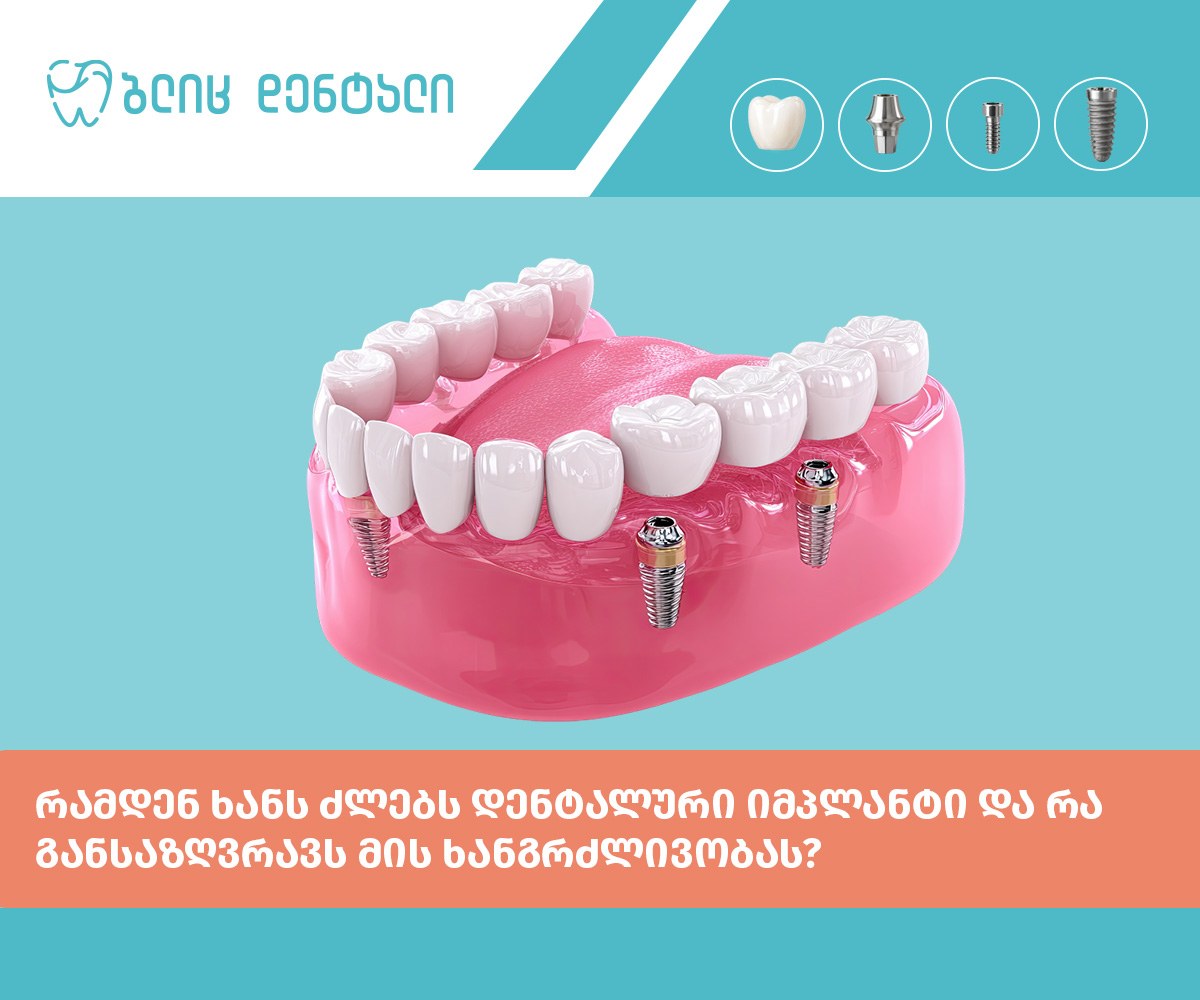
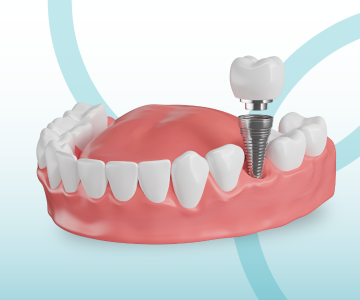
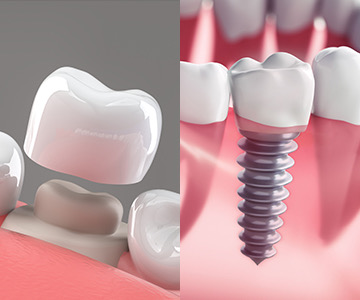
In reality, a dental implant consists of several components:
-
Implant: A component made of biocompatible titanium that is placed into the jawbone and serves as an artificial tooth root.
-
Abutment: A connecting component that joins the implant to the crown.
-
Crown: A fixed prosthetic restoration attached to the implant that replaces the visible part of the tooth.
The implant fixture itself may remain stable for several decades. However, the crown attached to it may experience wear or other mechanical damage over time.
How Can You Maintain Dental Implants for Many Years?
Maintaining the results of implant treatment is a shared responsibility between the dentist and the patient.
Here are several important recommendations:
-
Maintain daily oral hygiene. Use a soft-bristled toothbrush, toothpaste, and additional hygiene products recommended by your dentist.
-
Do not skip scheduled check-ups. The condition of your implant should be evaluated regularly, even if you do not experience pain or discomfort.
-
Seek professional advice if you notice unusual symptoms. Redness, swelling, bleeding, pain, or discomfort around the implant should be assessed by a dentist.
-
Manage harmful habits. Smoking and teeth grinding increase the risk of certain complications. If necessary, your dentist may recommend wearing a night guard.
-
Have professional dental cleaning twice a year. Professional cleaning and clinical evaluations at intervals recommended by your dentist help identify inflammatory conditions at an early stage.
The frequency of follow-up appointments is determined individually. It depends on the patient's general health, oral hygiene, periodontal history, and the condition of the tissues surrounding the implant.
What Signs May Indicate Problems with a Dental Implant?
Complications around dental implants do not always begin with pain. In some cases, changes develop gradually and may go unnoticed by the patient during the early stages.
Pay attention to the following signs:
-
Redness and swelling of the gums around the implant.
-
Bleeding while brushing your teeth.
-
Pus or discharge from the gums.
-
Unpleasant breath or an unusual taste in the mouth.
-
Pain or discomfort while chewing.
-
Loosening of the crown or prosthetic restoration attached to the implant.
It is particularly important to inform your dentist promptly if you notice any changes or unusual symptoms around your implant.
Conclusion
Dental implants are a long-term solution for replacing missing teeth and, under appropriate conditions, can function for several decades.
Successful long-term results depend on accurate diagnosis, an individualized treatment plan, surgical precision, proper oral hygiene, and regular dental check-ups.
At Blits Dental Clinic, dental implant treatment is planned using an individualized approach and modern digital technologies.
Our qualified dental specialists provide professional consultations, answer all your questions in detail, and help develop a personalized treatment plan tailored to your needs.
To schedule a consultation, contact us at (+995) 32 222 15 16 or book an appointment online.