What causes secondary caries and when to consult an endodontist?
25 March 2022
Endodontia is a Greek word where "endo" means "inside" and "odonto" means "tooth". Accordingly, endodontic treatment of root canals involves treatment performed inside the tooth. At the root, there is a soft tissue of the tooth - the pulp. The pulp contains blood vessels, nerves and connective tissues. The pulp plays an important role in tooth growth and development. However, when the growth and development of the tooth is complete, the tooth can exist and function in the oral cavity even without the pulp.
When should we consult an endodontist?
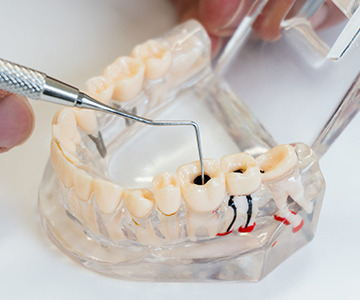
Endodontic treatment of the tooth is needed when there is damage to the soft tissue of a tooth or a pulp. Inflammatory or infection of the tooth can be caused by: deep tooth caries, improper treatment of caries, and tooth cracking or fracture. In some cases, pulp damage can develop without visible signs to the tooth crown. Damage to the pulp causes periapical destructive changes that interfere with the full function of the tooth in the future, and can eventually lead to tooth loss.
You need endodontic treatment if you have any of the following symptoms:
- Toothache;
- Prolonged sensitivity to cold or hot.
- Uncomfortable feeling or pain when touching the tooth and / or chewing;
- Change in the color of the tooth crown;
- Swelling;
It should be noted that in some cases the patient may not have any complaints or symptoms at all and inflammatory processes may take place inside the tooth, secretly, without any symptoms.
How to save teeth through endodontic treatment?
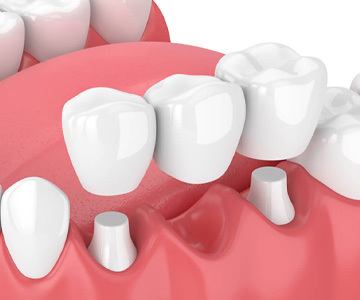
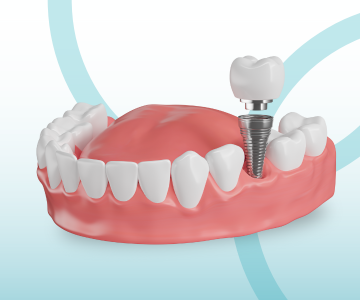
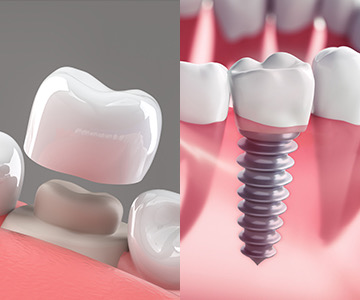
During endodontic treatment, the endodontist removes the infected pulp from the tooth and performs mechanical treatment of the root. After this manipulation, depending on the extent of damage to the crown, the doctor decides that the tooth surface will be restored with a ceramic crown to completely restore the integrity and function of the crown.
After eliminating the problems related to the crown, the tooth perfectly restores its functional and aesthetic value. "Blits Dental - Kakhaber Kharebava Clinic" The endodontic treatment process is carried out using modern technologies, and the professionals of our team create a comfortable environment tailored to the needs of the patient.
Is the procedure painful?
During the visit to "Blits Dental - Kakhaber Kharebava Clinic" endodontic treatment is carried out using modern techniques and anesthetics, due to which the procedure is completely painless for the patient, and the number of visits is minimized. After endodontic treatment, the patient may experience sensitivity in the area of the tooth, especially if the patient experienced toothache and signs of infection before visiting the doctor. These discomforts can be easily reduced by using painkillers, and following the recommendations of your endodontist, the discomfort will disappear completely in a few days. After endodontic treatment, the tooth should be monitored, under the supervision of an endodontist , in dynamics. It is also recommended to avoid active chewing in the area of a decayed tooth until the tooth crown is fully restored. Without complete restoration of the crown, the probability of developing a tooth crown fracture is high.
Secondary endodontics
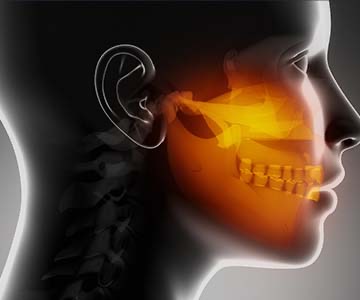
There are frequent cases when a tooth that has been endodontically treated in the past needs to be re-treated. Secondary endodontics may present with the following symptoms: dull pain, discomfort, change in tooth color (darkening) on or under the tooth surface, etc. Or completely asymptomatic where patients do not feel the onset of the inflammatory process. This can be detected by computed tomography, which clearly shows the destruction of the tissue around the tooth.
After primary endodontic treatment, a traumatic fracture, or fallout develops in the area of the already treated tooth. Due to incomplete treatment in turn leads to the development of a new infection. Secondary endodontics can be caused by incorrect treatment, misdiagnosis of complications, and ambiguity of causes. Proper diagnosis, using computed tomography, allows us to establish a secondary endodontic treatment plan.
Secondary treatment may be necessary even after high quality treatment, if the person does not follow oral hygiene, does not brush his teeth properly and does not use additional means to remove food between the teeth.
"Blits Dental - Kakhaber Kharebava the best dental clinic " offers endodontic treatment of the 21st century, with the latest equipment and modern methods, which guarantees the health of your mouth and teeth.