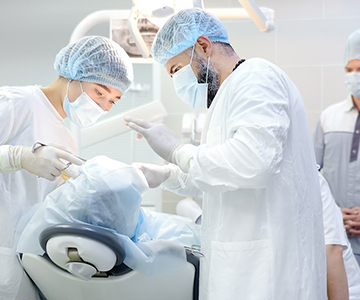
Therapeutic and Orthopedic Veneers
20 July 2022
What is Veneering?
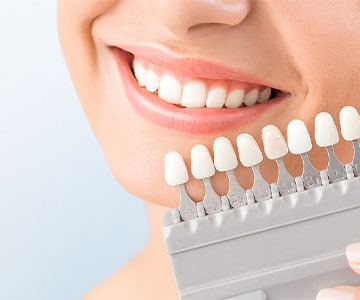
Veneering is a widely used method in aesthetic dentistry, through which it is possible to adjust the shape, size, and color of the tooth.
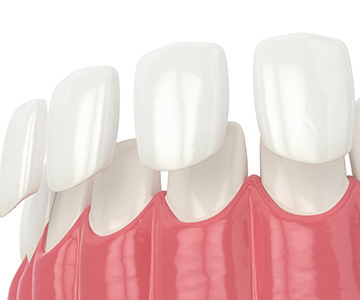
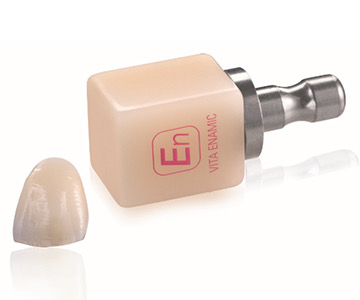
Dental veneers are made of different materials (porcelain and composite veneers) and they are mainly used for orthopedic purposes. Ceramic veneers are thin plates of porcelain. Their average thickness is 0.3-0.5 millimeters and they attach to the outside of the tooth.
Fixation of ceramic veneers is possible from the age of 18, for all patients who want to correct the defects directly on the teeth or to treat anomalies in the dental arch.
When to Choose Veneers?
A perfect smile is a dream for every person. Everyone wants to look more beautiful and younger. Large, naturally white, shiny teeth are already considered as a standard of beauty nowadays.
In aesthetic dentistry this "standard" is called "Hollywood smile". Most often, patients choose veneers when they do not like the color or shape of their natural teeth and want to have the so-called "Hollywood smile".
In addition to the aesthetic reason, veneering can “cure” many pathologies in the oral cavity, for example: extensive carious damage to tooth tissue; unsatisfactory aesthetics of old restorations; In cases of tooth enamel damage, tooth wear and other cases
Therapeutic and Orthopedic Veneers
Veneers are divided into 2 groups: therapeutic veneers (composite veneers) and orthopedic veneers (ceramic veneers).
Orthopedic veneers, as we have already mentioned, are used to eliminate aesthetic or functional discomfort. Orthopedic veneering is a relatively invasive method, and its advantage is that it does not change color over time, and is also characterized by stability during direct use (during chewing). A circumstance to consider is that it is not made and adjusted to the patient in one visit.
As for making veneers for therapeutic purposes, this is a less invasive method, a smaller part of a healthy tooth is damaged when making it, than when making orthopedic veneers. Therapeutic veneers are the best way to achieve the desired visual effect.
Veneers are Recommended if You Have:
- Discolored tooth
- cracks on the teeth
- slightly worn teeth
- uneven and non-standard shaped teeth
- Interdental deviations (diastems, trems)
- Less noticeable, uneven dentition
The Preparation Process for Veneers
Prior to direct fixation of ceramic (porcelain) veneers, the preparation process involves examining the patient's mouth by the Orthopedist using an oral scanner and photoprotocol. At this point is created a virtual 3D model of the patient's jaw-tooth system. A computer program (3D modeling of veneers) makes it possible for the patient to make changes in the shape, color, or size of the teeth and fully perceive the orthopedic result that is achieved after fixing the ceramic (porcelain) veneers.
Care Recommendations for Ceramic Veneer
The care of ceramic veneers is not much different from the usual oral hygiene, however the first few days it is desirable to consider:
- For the first few days, limit smoking and eating foods that may cause tooth staining.
- Avoid horizontal loading, which means gritting or biting solid food with the front teeth.
- Avoid using abrasive toothpaste.
- Visit a dentist once every 6 months for scheduled observations. Regular observation will guarantee that your veneers will always be in perfect condition and will add more self-confidence to your smile.
- As for highly acidic products such as citrus fruits, wine, etc. A quality ceramic veneer is absolutely resistant to them.
At "Blits Dental - Kakhaber Kharebava dental clinic" you will find a pleasant environment fully adapted to your needs. The professionals of our team will consult you and help you to get the desired visual effect through veneers and enjoy a charming smile.


.jpeg)
.jpeg)