What To Know About Wisdom Teeth
24 November 2022
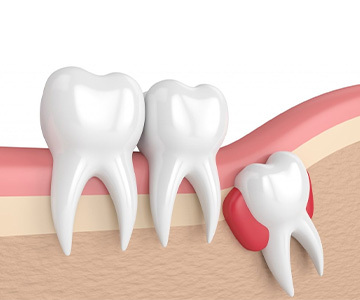
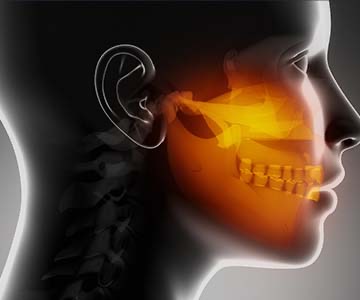
"Wisdom tooth" - the 8th tooth. A person's wisdom teeth are cut during adulthood (when the process of physical formation of a person is at the end stage) from 17 to 25 years old. Based on the physiological norms of human growth and development, the wisdom teeth should already be cut from the jaw bone by the age of 25, but often, due to various genetic factors, only a part of the wisdom teeth are cut out or they do not come out at all. Cases in which wisdom teeth remain in the jawbone and are not even partially extracted are called retention. The wisdom tooth is usually inactive and practically does not participate in the chewing process
The evolutionary processes of human development have led to a decrease in the size of the jawbones. Humans no longer need to grind large amounts of raw meat to obtain nutrients. As a result of evolution, man lost the need to use wisdom teeth, and our jawbone adapted to this new reality. There is no more room left for the growth of "wisdom teeth" in the mouth of the modern era - enough room for development. That is why wisdom teeth mostly remain in the jawbone or only partially erupt. This is an unhealthy process and it damages the tissues around the tooth and causes their inflammation - the so-called. pericoronitis. Inflammation of the soft tissues (gums) around the tooth is characterized by severe pain and limitation of jaw bone movement (opening - closing).
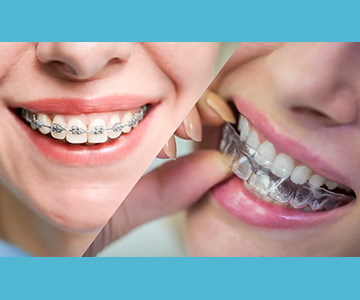
There are many cases when, depending on the parameters of the oral cavity, wisdom teeth extraction is accompanied by a disturbance of the tooth row and an incorrect dentition is formed. That is why orthodontists recommend removing wisdom teeth to those patients who want to straighten their teeth with brace systems.
Wisdom teeth also prevent oral hygiene. During daily care, they are difficult to reach with a brush or irrigator, therefore it is a big problem to clean them and free the space between the seventh and eighth teeth from food residues. Even after using a toothbrush, food remains in the area of the 8th tooth, which promotes the growth of bacteria. In these cases, the risk of caries, periodontitis and bone damage is high.
Blits Dental - Kakhaber Kharebava Clinic recommends to consult a doctor if you are concerned about the following problems related to wisdom teeth:
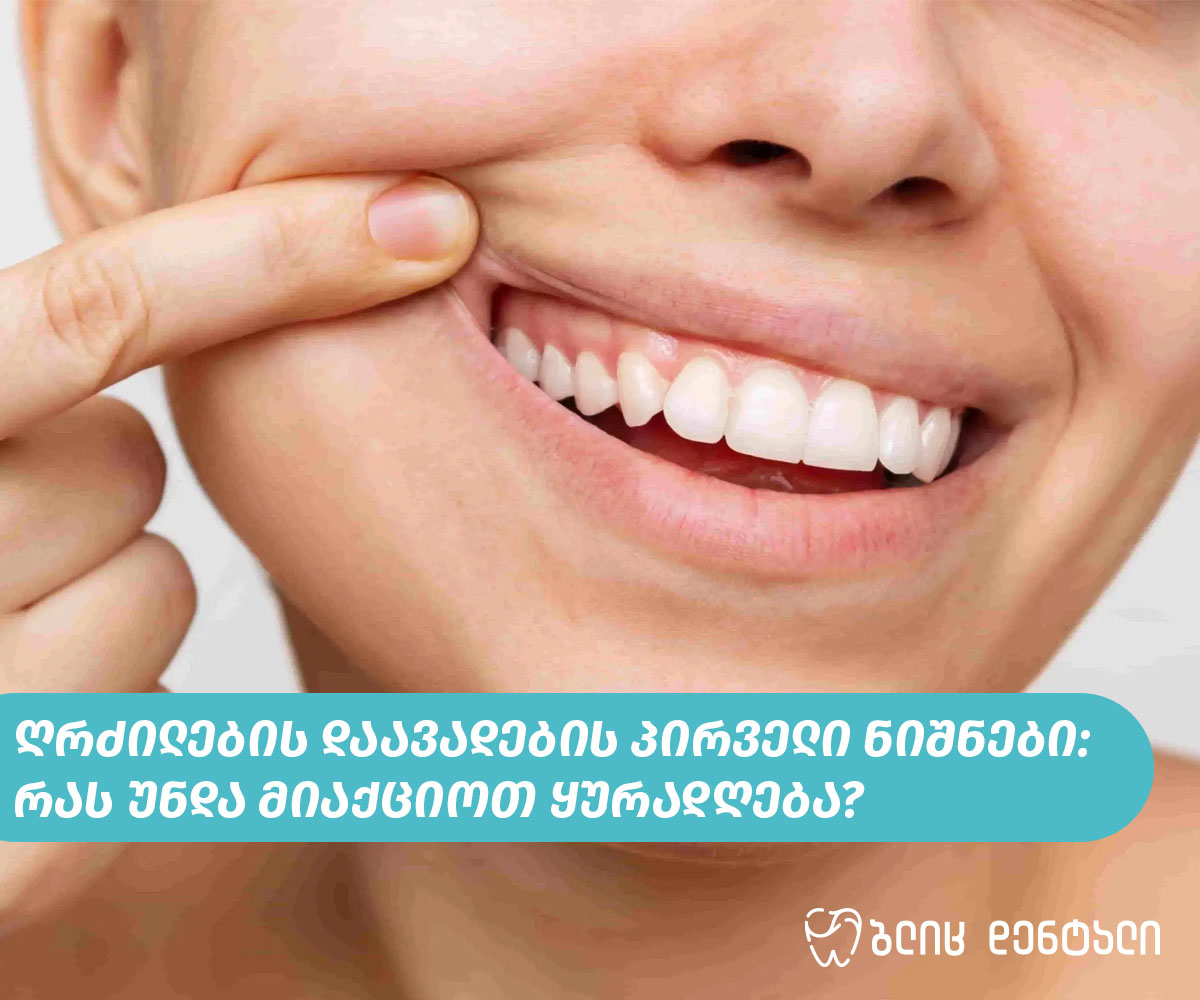
- Gingivitis or periodontal disease - plaque begins to release toxins and the entire oral cavity is at risk. At the beginning of the inflammatory process, the soft tissues of the oral cavity become irritated, as a result the gums become red, cold and painful. Gingivitis and other gum diseases can damage not only the teeth but also the jawbone.
- Pericoronitis - when plaque causes infection of the soft tissue around the tooth.
- Caries – when plaque begins to damage the enamel coating. Over time, it causes a cavity in the tooth, which can damage the adjacent teeth as well.
- Abscess - when pus from a bacterial infection collects in a wisdom tooth or the tissue surrounding it. This process is very painful for the patient and is often accompanied by an unpleasant smell from the mouth.
- Cysts and Benign Growths - There are clinical cases where a wisdom tooth that fails to erupt can cause a cyst (small fluid-filled cavity) to form.
Wisdom teeth can be removed by the dentist himself or by a maxillofacial surgeon. Before the procedure, local anesthesia is applied to numb the tissues around the tooth. Blits Dental in Kakhaber Kharebava clinic uses modern equipment and materials during similar operations.
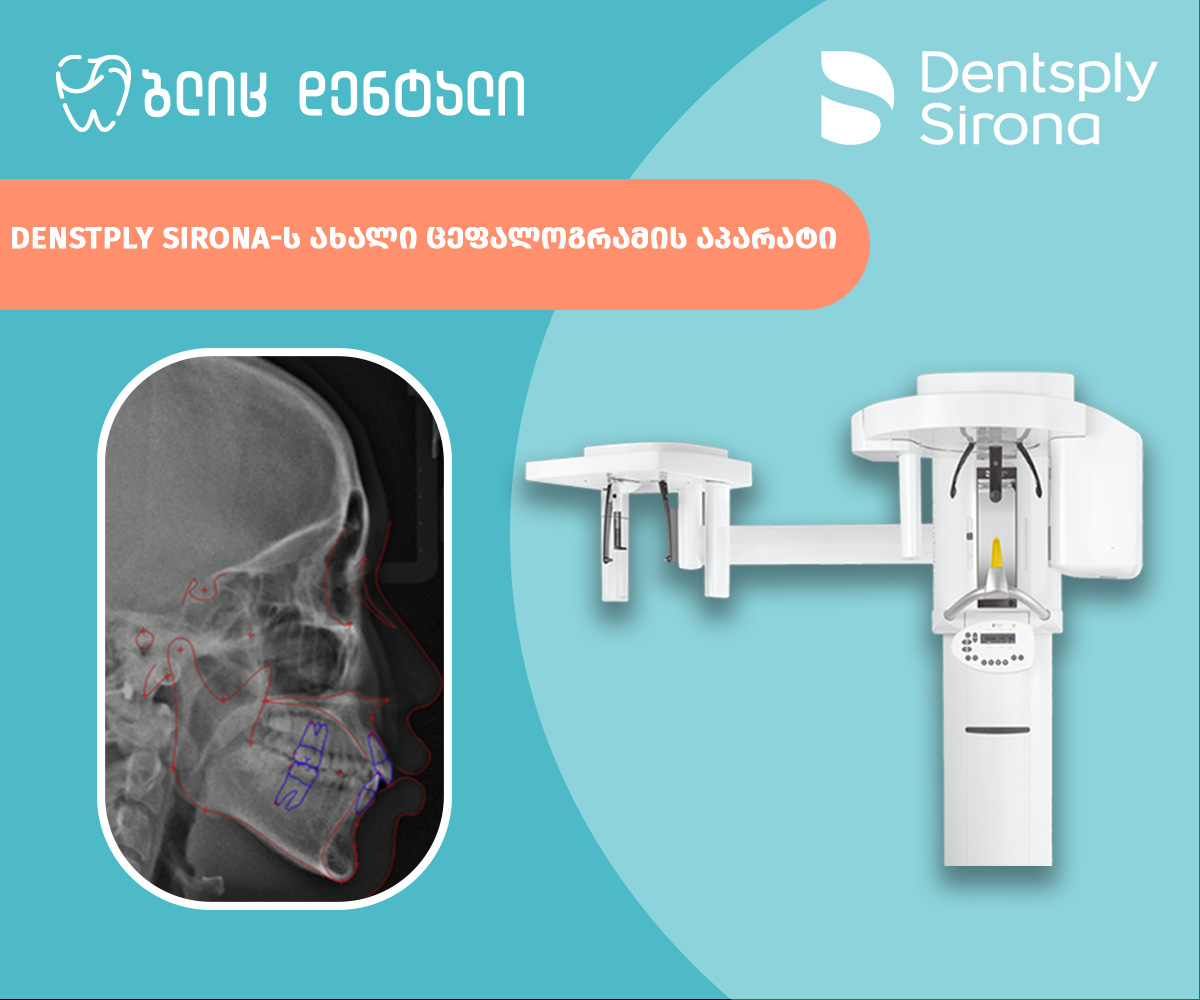
"Blits Dental - Kakhaber Kharebava clinic is a strategic partner of Dentsply Sirona. Dentsply Sirona is one of the largest manufacturers of professional dental equipment in the world. Our dental clinic and laboratory are fully equipped with modern medical and dental standards-compliant equipment and treatments manufactured by Dentsply Sirona. with materials, and the price of the service, compared to the quality, is quite affordable.
In our clinic, you will find a calm, comfortable environment and a team of professionals who will help you solve all problems related to the oral cavity.
To get detailed information sign up for a consultation or call us at: (+995) 32 222 15 16