Three Most Common Dental Diseases
16 March 2023
Today we would like to talk about the most common dental diseases in the 21st century:
What Is Periodontitis?
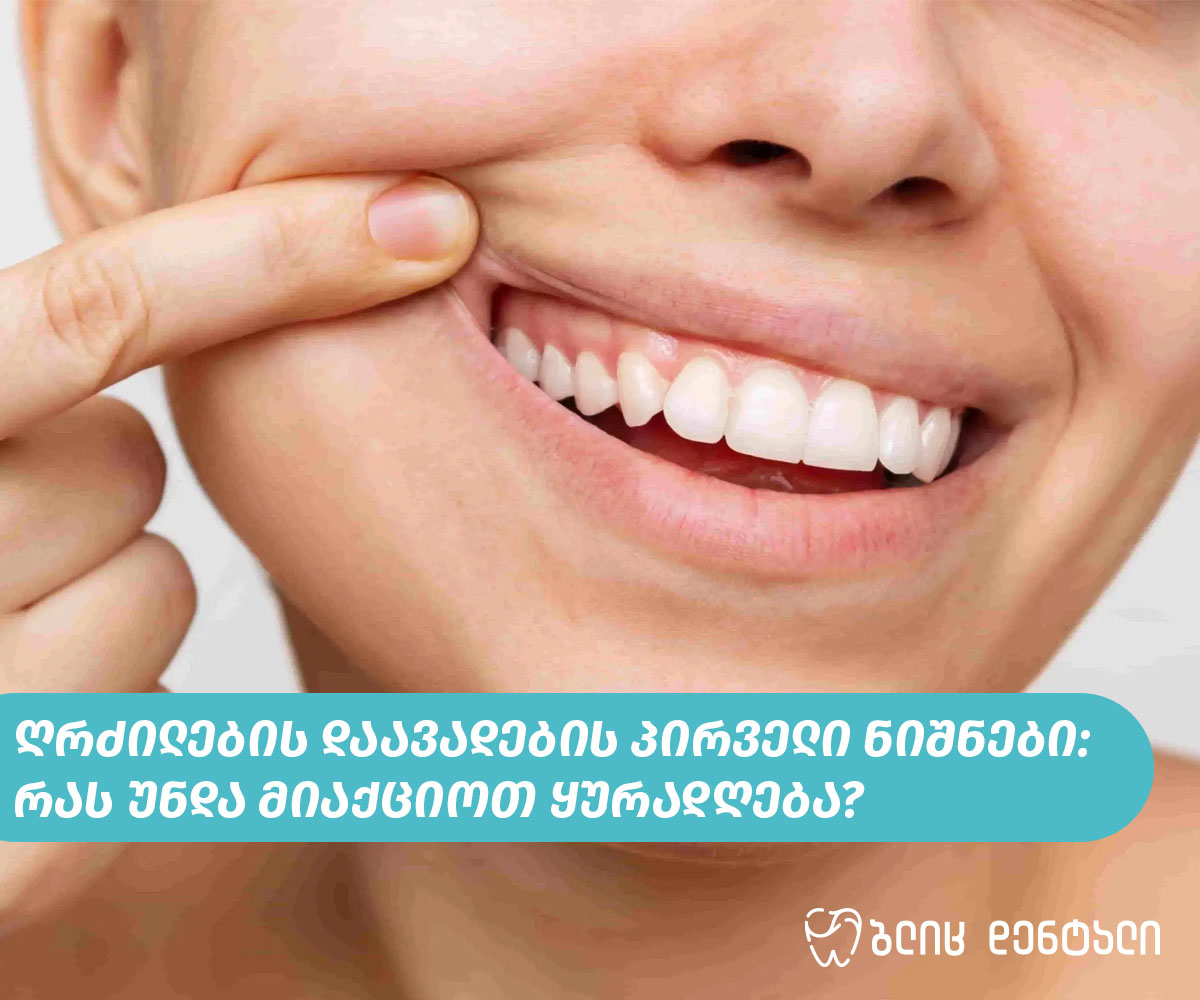
Periodontitis is a chronic inflammatory process of the soft tissues around the teeth, which can lead to tooth loss. Inflammation of periodontal tissues is one of the most common diseases in the world.
There are different types of periodontal tissue diseases, however, most of them are caused by plaque and related bacteria in the mouth. When such pathogenic bacteria multiply, inflammation of the gums develops, which is followed by receding gums, receding bone, loosening of teeth and finally tooth loss. Pathogenic (disease-causing) bacteria multiply rapidly as a result of the accumulation of plaque on the surface of the tooth and in the areas of the gums, after which gingivitis or inflammation of the gums develops. If the patient did not consult a periodontist, the bacteria penetrate into the deeper layers, the surface of the tooth root, and develop periodontitis.
In addition to plaque, the cause of periodontitis can be:
- Reduced immunity
- Genetic factor
- Frequent use of tobacco
- Side effect of drug treatment
- Stress
- Malnutrition
As for the symptoms of periodontitis, they are mainly manifested in bleeding from the gums. At the same time, periodontitis is characterized by visual and hygienic discomfort, which means enlarged, red gums and unpleasant smell in the mouth, as well as the gingiva in the area of the throat of the teeth.
What is Tooth Decay (Dental caries)?
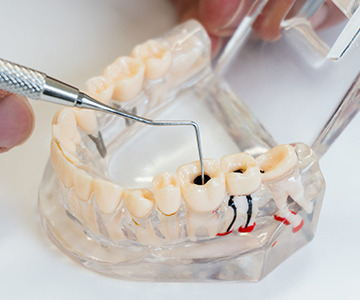
Dental caries is a pathological process that develops after tooth extraction. During caries, the soft tissue of the tooth is depleted of minerals and after the softening of the tissue, a cavity is formed. There is a large number of micro-organisms in the human mouth, which multiply rapidly. Bacteria that live in the mouth - streptococci, lactobacilli and actinomycetes are usually "inherited" from the mother to the child and cannot be removed. A few hours after brushing the teeth, the number of bacteria increases tenfold. Streptococci process the carbohydrates that come from food and in return release acids that damage and remove the hard enamel of the teeth. We must not forget that any caries begins with the creation of favorable conditions for the growth of bacteria in the oral cavity. Caries prevention plays an important role in maintaining dental health. Prevention involves removing caries-causing factors and increasing the stability of tooth tissue, i.e. preventive measures, which in turn include:
- Maintaining a proper diet
- Oral hygiene
- Normalization of saliva secretion,
- To get rid of anomalies and deformations of the jaws and teeth,
- Hermetization of natural tooth fissures (cracks).
What Is Halitosis?
Bad breath in the mouth, the same as halitosis, causes discomfort in all people. Studies conducted in advanced European countries have shown that 50% of adults have or have ever had bad breath. There are many ways to eliminate bad breath, for example - chewing gum, oral wipes, sprays, etc. However, all these products are not a way to fight the cause of the problem, but to temporarily stop the symptom. The unpleasant smell is different depending on the cause that provoked the disease. A person with halitosis may not be able to feel it at all or, on the contrary, it may be very annoying both to him and to those around him. In order to avoid bad breath from the mouth, first of all, it is necessary to brush the teeth twice a day. Floss daily, making sure the spaces between your teeth are always clean. It is also recommended to use antibacterial mouthwash on a permanent basis. Drink plenty of water and keep your mouth moist. At best, quit smoking.
Below are some tips to help you avoid bad breath:
- Clean dentures, braces and caps daily;
- Replace the old toothbrush with a new one every 1 month;
- See a dentist every 6 months for a professional teeth cleaning.
At "Blits Dental - Kakhaber Kharebava Clinic" you will find a calm, comfortable environment fully adapted to your needs and a team of professional doctors who will help you solve all problems related to the oral cavity. Our team's main goal is to enable patients to enjoy a beautiful, healthy smile.
To book a visit and get detailed information, sign up for a consultation or call us at: (+995) 32 222 15 16