The secret of flawless smile - Veneers
05 April 2023
Studies confirm that almost a third of the adult population worldwide suffers from stains and cracks on the tooth. Due to the frequent consumption of dark-colored foods (tea, coffee, etc.) and wear of the enamel coating, our teeth lose their natural, pearly luster and change color. Modern aesthetic dentistry offers patients, to restore the white, charming shade of the teeth and get the dream Hollywood smile. The direction of aesthetic dentistry is developing in our country and is becoming more popular day by day. "Blits Dental-Kakhaber Kharebava Clinic" is one of the innovators in this direction, not only in Georgia, but in the entire Transcaucasia.
Who Needs Aesthetic Dentistry?
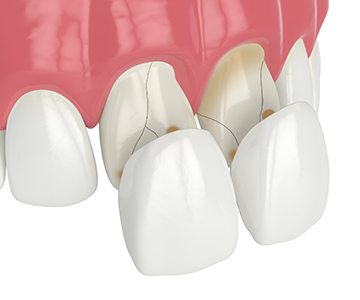
Patients who have defects on the teeth and do not like their smile can now achieve the desired result quickly with simple dental manipulations. The rhythm of modern human life is quite stressful, often we do not have enough time to devote a lot of time to proper oral care at home. Over time, the outer surface of our teeth (enamel coating) is affected by many harmful factors. As a result, dark spots (discoloritis), cracks, chips and caries appear on the teeth.
The visual aspect of teeth plays a crucial role in a person's daily life. The more you like and admire your smile, the higher the quality of your life. If you want to regain a confident smile, the professionals of "Blits Dental - Kakhaber Kharebava Clinic" advise you to learn as much as possible about veneers.
What Are Veneers?
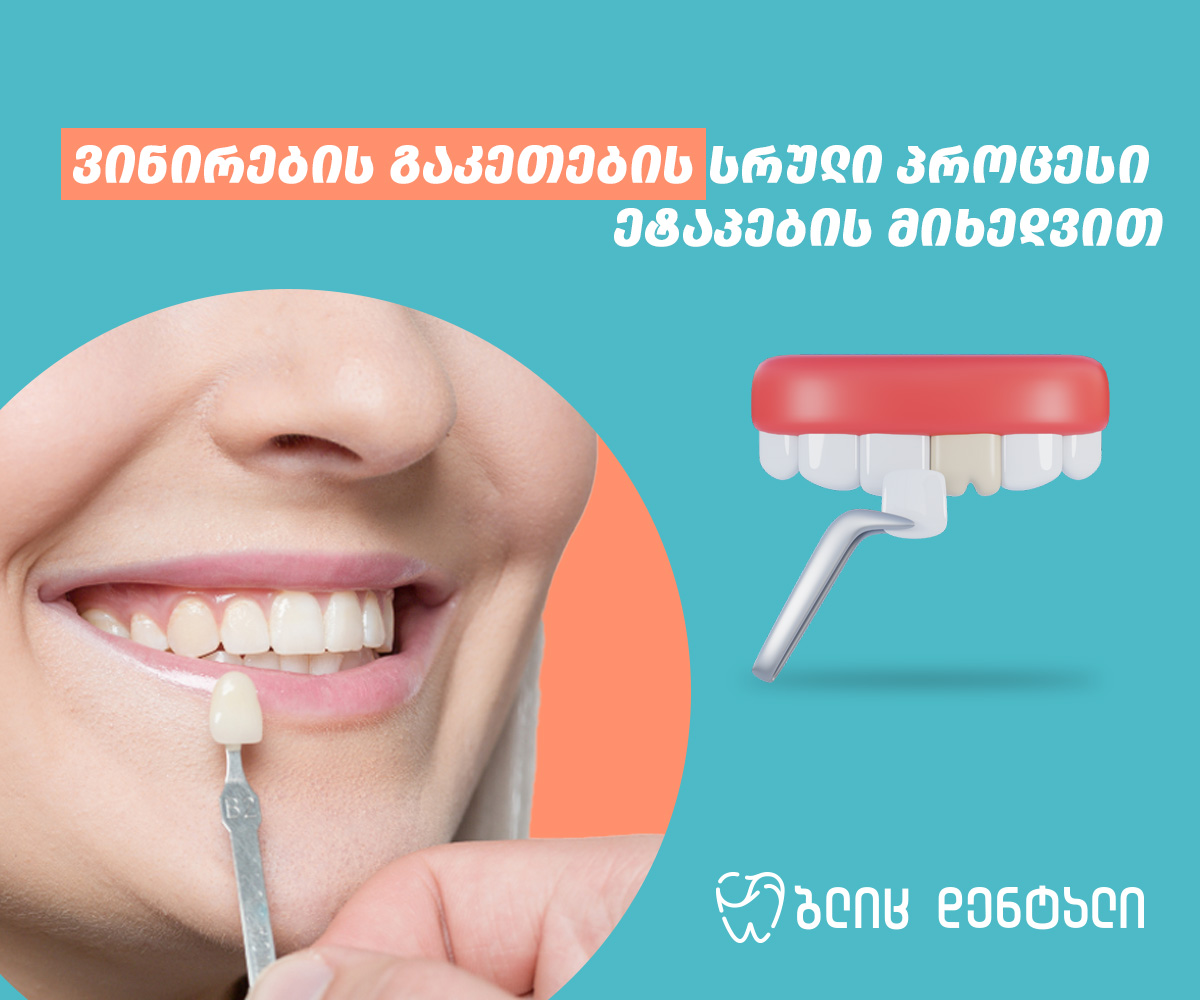
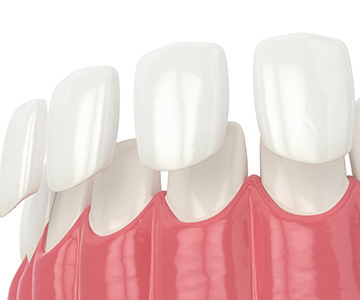
Veneering is a widespread method in aesthetic dentistry, through which it is possible to correct the shape, size and color of the tooth, as well as to cover the defects (cracks and chips) on it. Dental veneers are made of different materials (ceramic so-called porcelain veneers and composite so-called porcelain veneers) and they are mainly used for orthopedic purposes. Ceramic veneers are thin plates of porcelain. Their thickness is on average 0.3-0.5 millimeters and they stick to the outside of the tooth. Ceramic veneers can be used for all patients who want to correct defects directly on the teeth or treat anomalies in the dental arch.
Why Choose Veneers?
Modern dentistry offers the patient many alternatives to get the desired result. Depending on the clinical condition of each patient, there are different methods of beautifying the smile. One of the most requested aesthetic procedures today is ceramic (porcelain) veneers. Ceramic veneers are characterized by naturalness, they have the color and gloss characteristic of a natural tooth (enamel coating). Ceramic veneers blend harmoniously with the structure of the patient's mouth and facial features. Along with this, veneers serve not only to solve the cosmetic problems of the tooth, but they solve many problems related to tooth wear, damage and trauma and protect the tooth from further damage. In addition, tooth restoration with ceramic veneers is less invasive. If the patient's desire is not only to improve the aesthetic effect of the oral cavity, but also to completely protect the teeth from harmful effects, it is possible to perform the treatment with the "Vinir-360" method. Veneer 360 - functionally the same as classic veneer. Like the ceramic veneer, it also has the natural luster and color characteristic of the tooth. The difference is that the tooth surface is covered 360 degrees with a thin porcelain plate, which protects the natural tooth tissue from all surfaces from unwanted and harmful factors: bruxism, large amounts of tobacco, pigmented food, coffee, etc.
Taking Care Of Veneers
Remember, caring for ceramic veneers isn't much different from your regular dental care routine, but it's good to keep in mind:
- At the first stage, reduce smoking and eating foods that may cause tooth discoloration.
- Avoid horizontal loading, which involves tearing or biting hard food with the front teeth.
- Avoid using abrasive toothpaste.
- Visit the dentist every 6 months for a cleaning and routine check-up. Regular check-ups ensure that your veneers are always in perfect condition and add confidence to your smile.