Myths and reality about dental veneers
19 October 2021
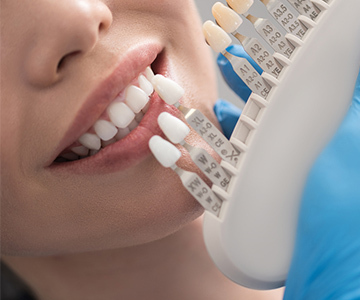
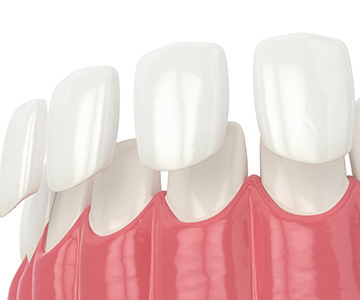
Veneering is a widely used method in aesthetic dentistry, through which it is possible to adjust the shape, size, and color of the tooth. Dental veneers are made of different materials (porcelain and composite veneers) and they are mainly used for orthopedic purposes. Ceramic veneers are thin plates of porcelain. Their average thickness is 0.3-0.5 millimeters and they attach to the outside of the tooth. Fixation of ceramic veneers is possible from the age of 18, for all patients who want to correct the defects directly on the teeth or to treat anomalies in the dental arch.
The preparation process for veneers
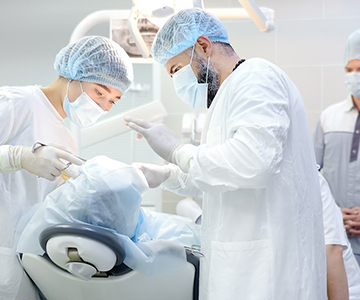
Prior to direct fixation of ceramic (porcelain) veneers, the preparation process involves examining the patient's mouth by the Orthopedist using an oral scanner and photoprotocol. At this point is created a virtual 3D model of the patient's jaw-tooth system. A computer program (3D modeling of veneers) makes it possible for the patient to make changes in the shape, color, or size of the teeth and fully perceive the orthopedic result that is achieved after fixing the ceramic (porcelain) veneers.
Advantages of veneers
The use of ceramic (porcelain) veneers is one of the most modern and popular methods of creating a "Hollywood smile". The development of aesthetic dentistry, in general, has led to the refinement of materials and methods and the formation of 2 main groups in the modern era: The rule of direct restorations - restoration with composite materials, which implies the aesthetic Recovery of the tooth directly in the oral cavity, and the indirect rule-fixation of porcelain veneers on the tooth made in the laboratory.
Depending on the clinical condition of each patient, there are several methods of smile enhancement. If the teeth are not significantly damaged, porcelain (ceramic) veneers are an alternative to restoration with composites or replacement with a full zircon crown. Compared to zirconia crowns and composite veneers, ceramic veneers are distinguished by their natural look, they have a characteristic color and gloss for the tooth. Ceramic veneers blend harmoniously with the patient's oral structure and facial features.
In addition, veneers not only serve to solve cosmetic problems of the tooth but also solve many problems related to tooth decay and injuries and protect the tooth from further damage. In addition, tooth restoration with ceramic veneers is distinguished by a less invasive method.
If the patient wants not only to improve the aesthetic effect of the oral cavity through orthopedic veneers but also completely protect the teeth from harmful effects, it is possible to treat it with the "veneer-360" method. Veneer 360 is functionally the same as the classic veneers. Like ceramic veneer, it is distinguished by the natural gloss and color characteristic of the tooth.
The difference is that the surface of the tooth is covered with a 360 degrees porcelain plate, which protects the natural tissue of the tooth from all undesirable and harmful factors. Bruxism, large amounts of tobacco, pigmented foods, coffee, etc.
Myths and Reality about Dental Veneers:
- It is commonly believed that veneer fixation requires in-depth treatment of the tooth, which is not true. With the help of modern technologies and materials, the preparation of the tooth during veneering is reduced to a minimum and its processing takes place within the enamel.
- The next misconception about veneers is that they can only be fixed on the front teeth of the upper jaw. Fixation of dental veneers is possible on the upper and lower jaw as well as on the incisors as well as on the premolars and premolars (4th, 5th teeth).
- There are common cases when patients want to make ceramic veneers but refrain because they believe that ceramic veneers are not durable and in a short period of time it will be necessary to replace or re-fix them. Ceramic veneers do not have any defined period of consumption because high-quality porcelain has the same wear parameters as natural enamel. Consequently, ceramic veneers are characterized by high durability, do not change color, retain their gloss, and natural tooth effect.
Care recommendations for Ceramic veneer
The care of ceramic veneers is not much different from the usual oral hygiene, however the first few days it is desirable to consider:
- For the first few days, limit smoking and eating foods that may cause tooth staining.
- Avoid horizontal loading, which means gritting or biting solid food with the front teeth.
- Avoid using abrasive toothpaste.
- visit a dentist once every 6 months for scheduled observations. Regular observation will guarantee that your veneers will always be in perfect condition and will add more self-confidence to your smile.
As for highly acidic products such as citrus fruits, wine, etc. A quality ceramic veneer is absolutely resistant to them.


.jpeg)
.jpeg)