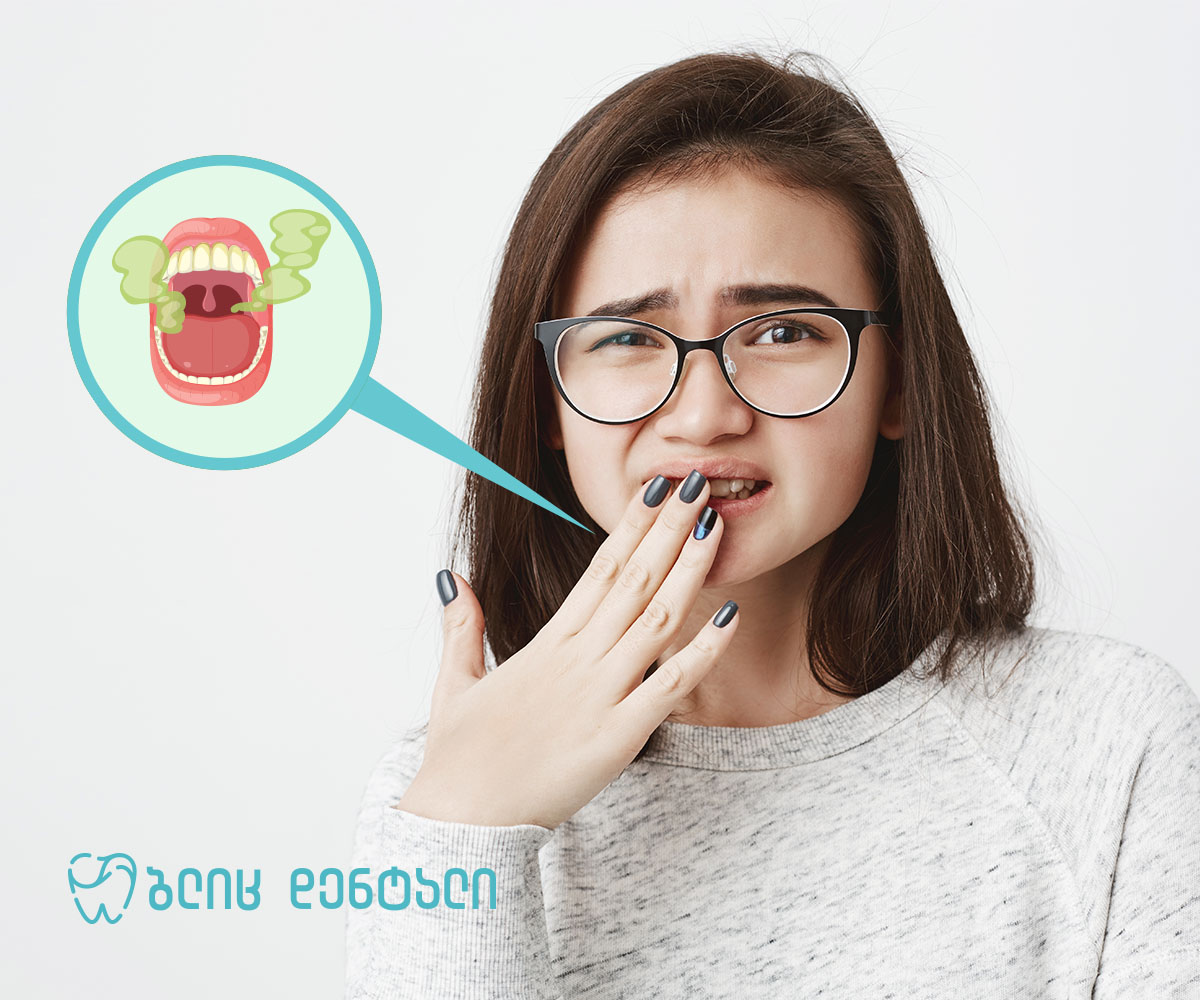
Why Does Bad Breath Occur Even Despite Regular Tooth Brushing? Learn about the causes of halitosis, ways to prevent it, and when to see a dentist.
30 October
To book a visit, sign up for a consultation. To clarify the details, our operator will contact you.

31 May 2023
What Do We Mean When We Talk About Bone Tissue Repair?
Restoring bone tissue in the oral cavity, i.e. subantral augmentation, is a fairly widespread dental procedure nowadays, which is mainly used in the preparatory stage of implantation. Sinus lifting is a bone-plastic operation, which creates the necessary volume of bone tissue in the implantation area. Dental implant means inserting an artificial tooth in place of a missing tooth. An artificial tooth repeats the structure of a natural tooth and completely restores the chewing function and visual aesthetics. During implantation, an implant is placed in the jaw bone in place of a missing or extracted tooth, which performs the function of a tooth root. The more time passes, the more bone volume you lose, that's why the patient needs additional hard tissue in the implant area to be able to insert the implant. Basically, the need to carry out the mentioned manipulation is related to the anatomical features of the patient's jaw and face.
In addition to the need to insert an implant in the place of a missing tooth, the need to restore bone tissue may also arise when the patient has periodontitis diseases. Periodontitis is an inflammatory disease of the gums and its initial (first) stage is almost asymptomatic. The disease becomes noticeable only when inflammation of the gums begins. The more severe the form of periodontitis, the greater the danger to the jawbone. Due to receding gums, the root of the tooth and the bony space around it are exposed, and the body cannot protect them from environmental factors. In such a case, surgical intervention and restoration of both bone and gum tissue is necessary.
When restoring bone tissue, two methods are used in modern dentistry. First, it is bone restoration with artificial bone synthetic (artificial) material. The second method - a bone from another part of the jaw is placed in the patient's jaw (autotransplantation - that is, transplanting one's own bone). After surgery, the transplanted bone tissue integrates with the existing bone tissue for several months. If, depending on the characteristics of the patient's oral cavity, it is sufficient to transplant a small bone tissue, the implant can be inserted on the same day. The operation is performed directly under local anesthesia. In the first stage, a kind of window is made in the patient's mouth, on the side of the upper jaw (usually on the top of the implant field), which allows the doctor, using special tools, to enter the cavity of the upper jaw. This "small window" is created by milling (boron) or ultrasound. Making the entrance is the most difficult and responsible stage during subantral augmentation, since it is important to maintain the integrity of the mucosa of the maxillary sinus. In the second stage, with the help of special tools, the mucous membrane is lifted up to create a free space under it - the working area. Correctly selected tools and a good field of vision and, of course, the doctor's professionalism play a decisive role in the successful completion of the sinus lifting operation.
Depending on the method of bone tissue restoration, the created space is filled with osteoplastic mass (artificial bone mass) at a later stage, or the doctor uses a part of natural bone taken from the patient's mouth. At the final stage of the operation, the created window is closed with a barrier membrane. Subsequently, the operative field is completely closed and sutured. In the subsequent stage of the sinus lifting (subantral augmentation) operation, patients are mainly characterized by jaw pain for several days. In order for the healing process to be completed without complications, the patient must follow all the doctor's recommendations. Use appropriate remedies and antibiotic drugs. The rehabilitation process lasts several days, under the supervision of a doctor.
Blitz Dental Kakhaber Kharebava Clinic's team of professionals will help you get your dream smile as soon as possible. To book a visit, sign up for a consultation, and contact us at (+995) 322 22 15 16
Why Does Bad Breath Occur Even Despite Regular Tooth Brushing? Learn about the causes of halitosis, ways to prevent it, and when to see a dentist.

Dry mouth is a relatively common problem that many people experience from time to time. Sometimes, it is simply related to dehydration or breathing through the mouth. However, if the sensation occurs frequently or becomes persistent, it is important to identify the underlying cause.

A brief, unpleasant tingling sensation in your teeth when drinking cold water or eating sweets is familiar to many people. Sometimes, this reaction is temporary and is associated with a specific cause, such as a professional dental cleaning or minor enamel irritation. However, if the sensitivity occurs frequently, becomes more intense, or the pain persists even after the trigger is removed, it may indicate a more serious underlying issue.
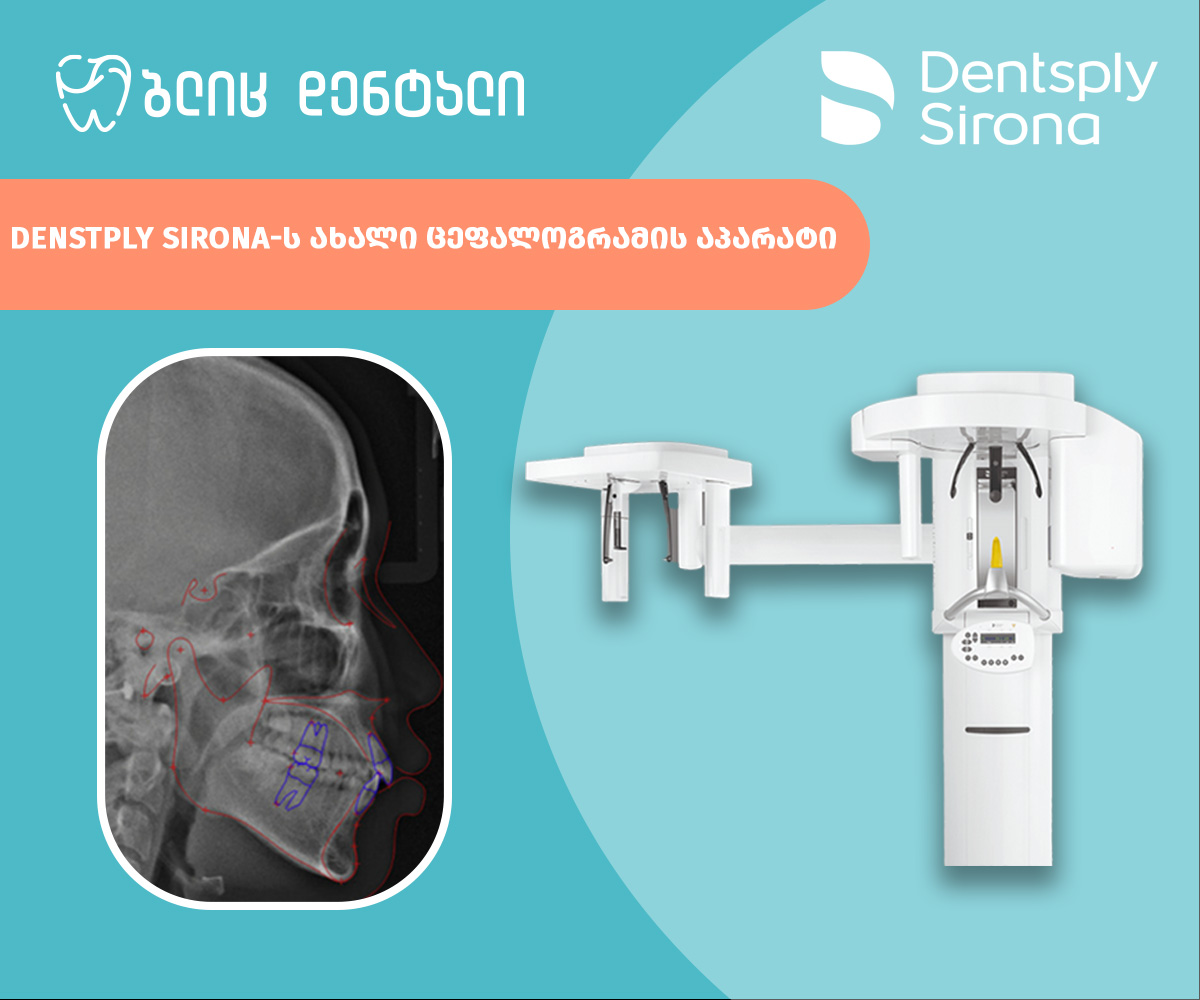
https://blitsdental.com/en/visit/consultation/blogOrthodontic treatment is not limited to straightening teeth. To achieve a beautiful, functional smile, an orthodontist needs to assess the relationship between the teeth, the upper and lower jaws, the skeletal structures of the face, and the surrounding soft tissues.

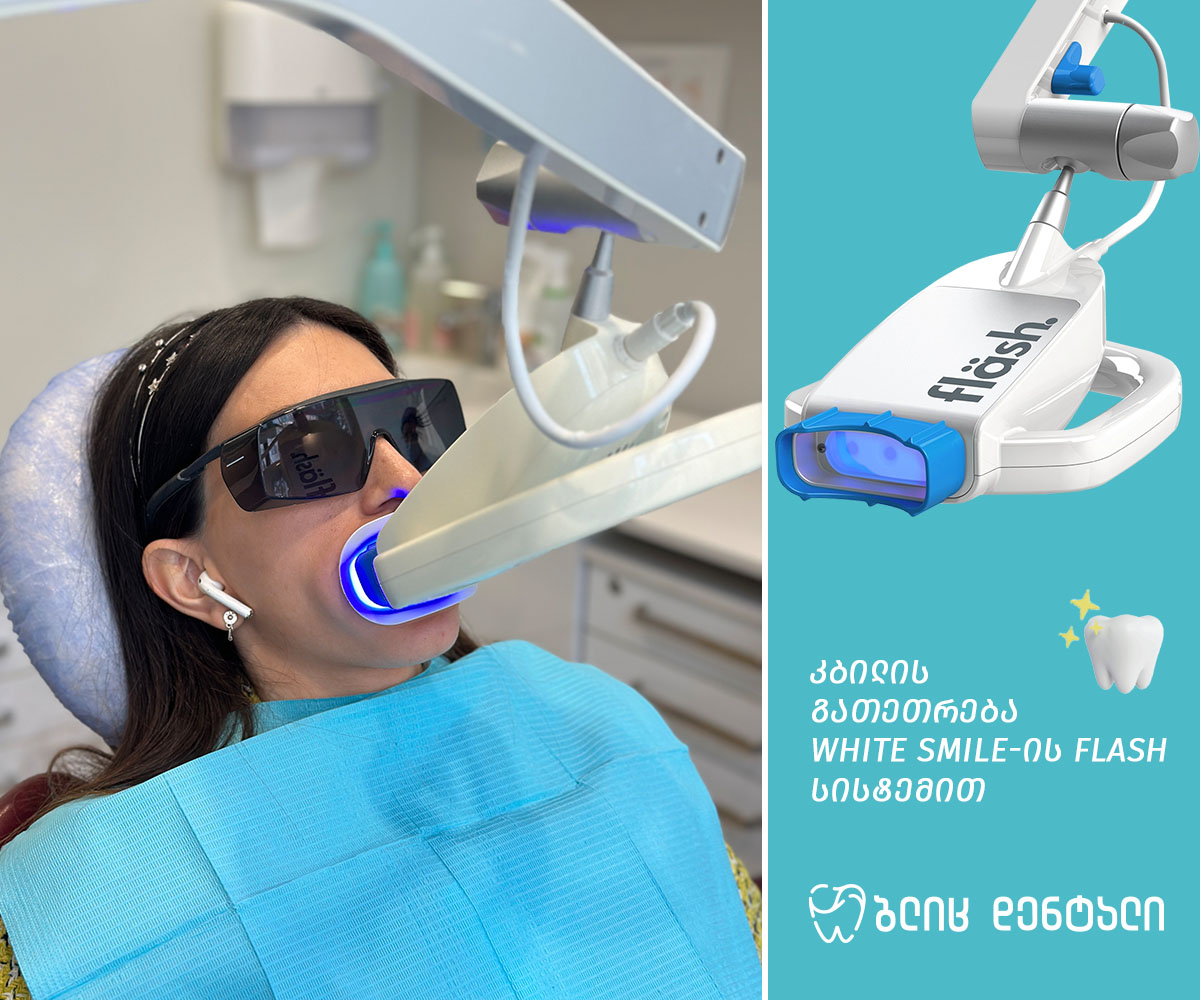
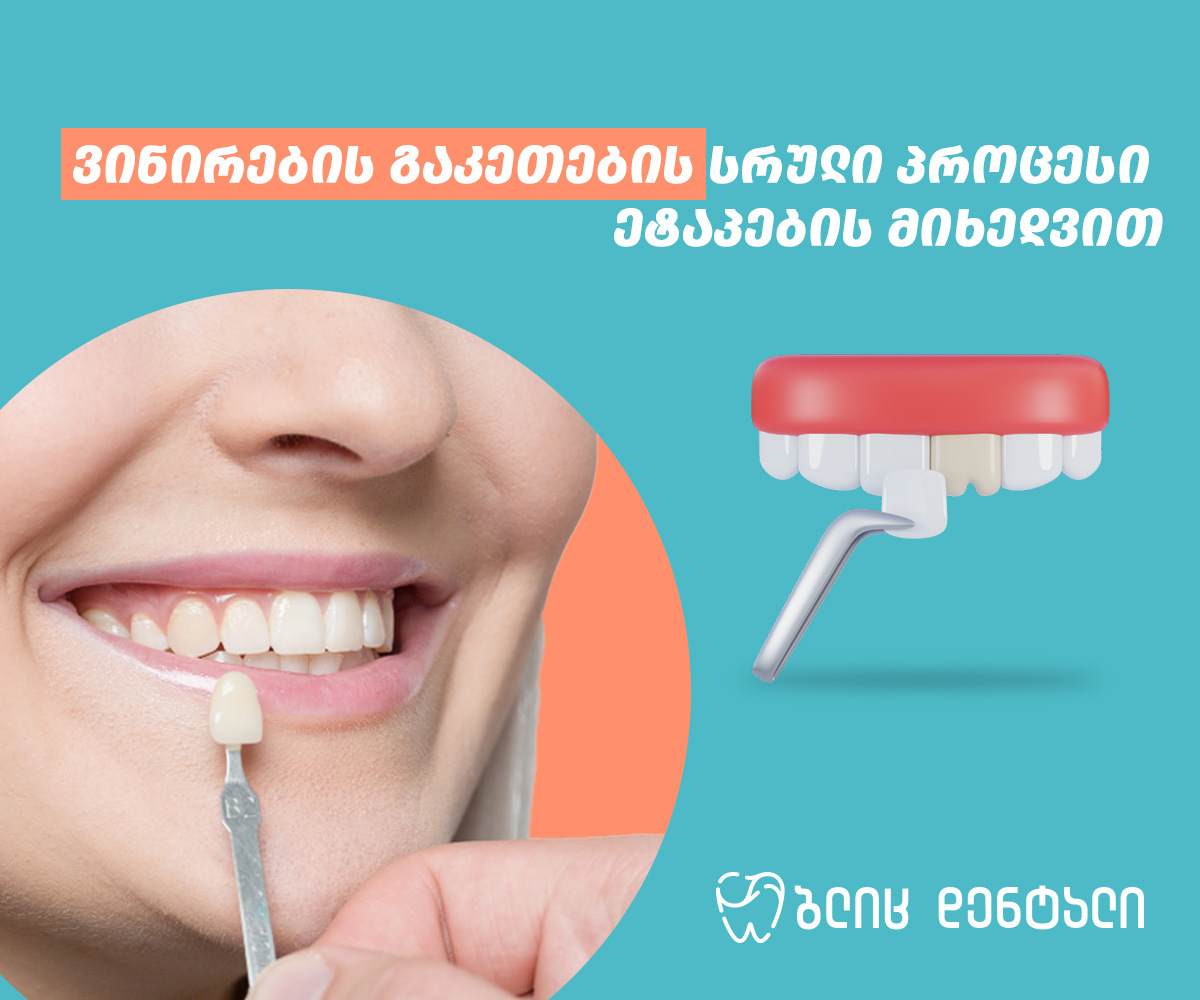

Braces are one of the most common orthodontic methods for straightening teeth and correcting bite alignment. Modern braces differ in terms of materials, appearance, and the way they work. But how do you choose the right system for you, and how long does the treatment take?
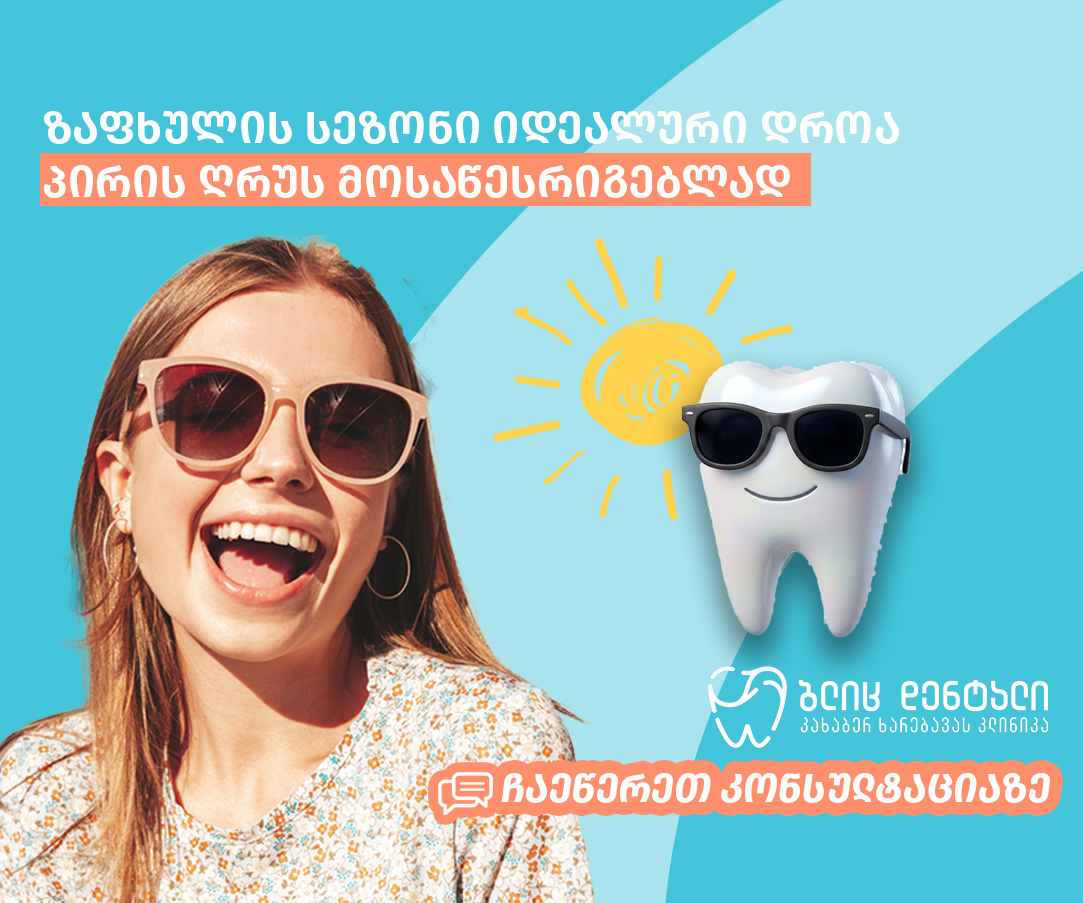
If you are planning dental treatment, summer is one of the best times for it. During the vacation season, scheduling dentist appointments is easier, allowing you to complete your treatment comfortably and on time.
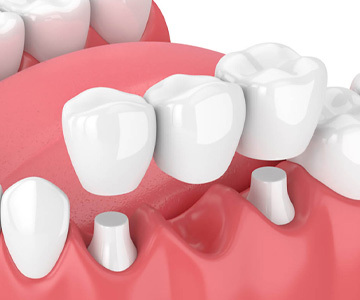
Treatment of edentulism (missing teeth) with a dental bridge is one of the most common and effective methods. A dental bridge allows for the restoration of both chewing function and smile aesthetics. It is a fixed prosthetic construction that is supported by healthy adjacent teeth and fills the space of a missing tooth. In this article, we will discuss what a dental bridge is, the types available, and how the placement process is carried out.
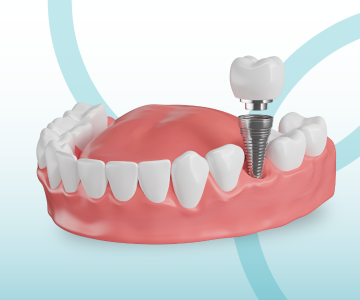
Missing teeth are no longer a problem! Dental implants offer the most advanced, durable, and natural-looking solution for restoring your smile. An implant, together with its crown, mimics a real tooth both aesthetically and functionally-helping you regain confidence, comfort, and a complete smile.
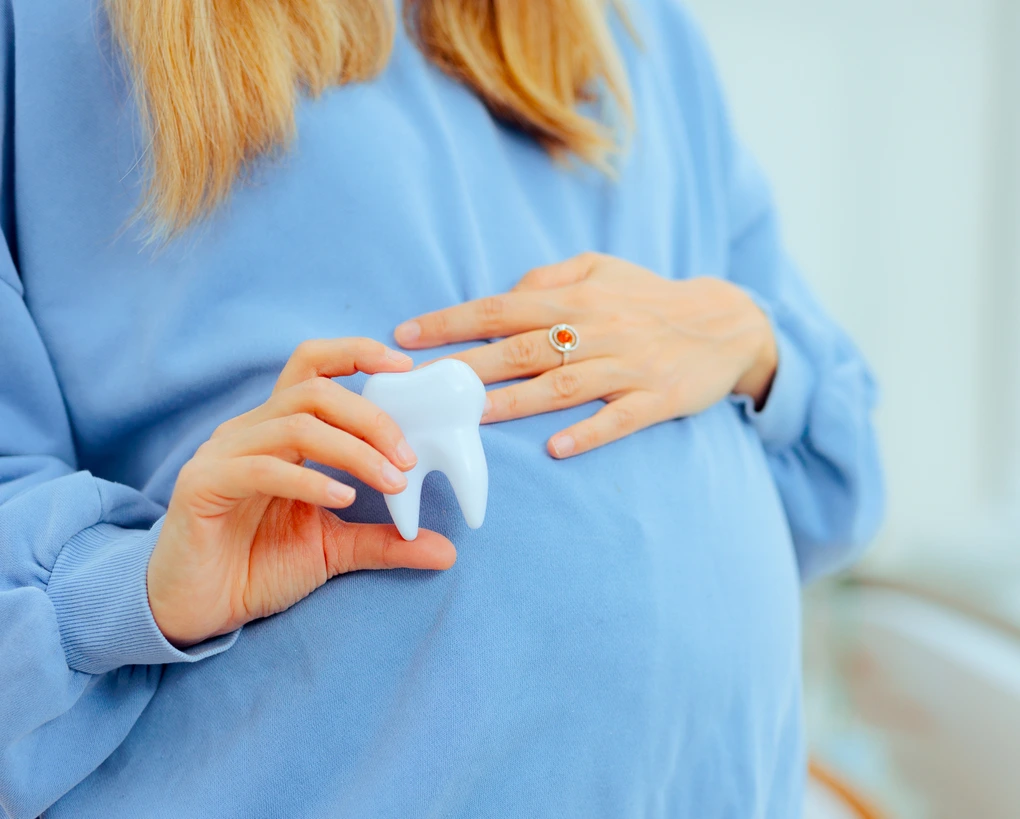
During pregnancy, hormonal changes can cause gum inflammation, bleeding, enamel erosion, and an increased risk of cavities. That’s why visiting the dentist during pregnancy is especially important.
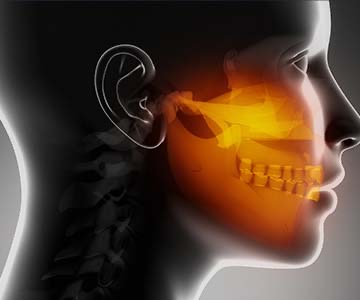
Gnathology is one of the leading branches of 21st-century dentistry. It forms the foundation for any complex dental treatment planning
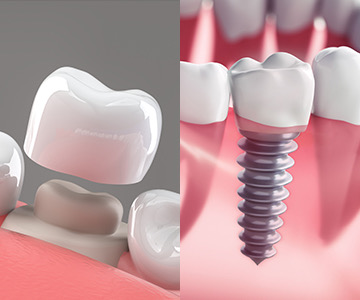
Tooth loss (edentulism) affects not only the appearance of your smile but also the overall functional health of your oral cavity
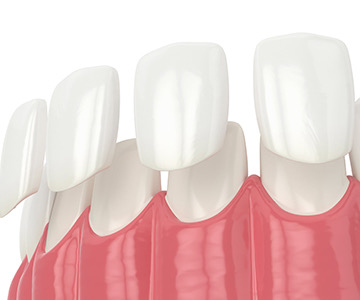
Dental veneers can be made from various materials, but ceramic (porcelain) veneers are the most widely used.
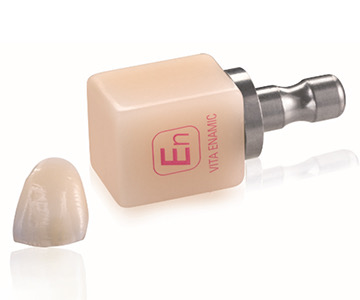
Modern aesthetic and functional dentistry is continually evolving, striving to identify restorative materials that combine exceptional strength

The eruption of baby teeth is one of the most important stages in a child’s early development.