02 October
To book a visit, sign up for a consultation. To clarify the details, our operator will contact you.
01 November 2021
Sinus lifting, same as subantral augmentation, is a bone-plastic surgery that creates the required volume of bone tissue in the implantation area. The more time passes after losing a tooth, the higher is the need for a sinus lift before implantation. It is often referred to in dental implantology. Dental implantation means the insertion of an artificial tooth in place of a missing tooth, which replicates the structure of a natural tooth and completely restores function and aesthetics. At the site of a tooth that is not present or removed at this time, an implant is inserted into the jaw bone to perform the function of the tooth root.
When a person loses teeth and the question of replacing them with implants arises, and the volume of bone tissue between the upper jaw and the oral cavity is insufficient, the need for sinus lifting (subantral augmentation) surgery arises. Lack of the required volume of bone tissue in the implantation zone will cause the implant to fall into the Highmore cavity. Almost one in three patients who require implantation in the lateral segment of the upper jaw also requires sinus lifting (subantral augmentation) - mainly the need for such manipulation is related to the anatomical features of the patient's jaw and face.
The upper jaw has 2 large cavities. These cavities are lined with mucous membranes and join the nasal cavity, it is called the upper jaw or "Highmore" entrails. Highmore's entrails is the largest of the present nasal cavities. Its purpose is to heat the air leading to the lungs, resonate the sound and reduce the mass of the skull. The size and shape of the entrails are individual to all people, and it is in this area that sinus lifting (subantral augmentation) surgery was invented to create the required volume of bone tissue.
Sinus lifting surgery may be performed simultaneously with implant placement, or separately. The patient's choice depends on the height of the alveolar ridge, which should provide the primary fixation of the implant. The implant should be inserted into the bone at least half the depth (approximately 5 mm), in which case the implant may be performed with a lift. If the volume of the alveolar ridge does not allow the implant to be fixed and cannot cover it to a depth of at least half (less than 5 mm), it is advisable to perform a first sinus lift as a separate operation and then implantation.
Very important is the fact that after the loss of teeth, the alveolar ridge experiences atrophy (decreases in size), while the distance between the oral cavity and the entrails decreases more. However, there are anatomical features that do not depend on bone tissue atrophy. Therefore, in some cases, timely insertion of implants does not prevent sinus lift.
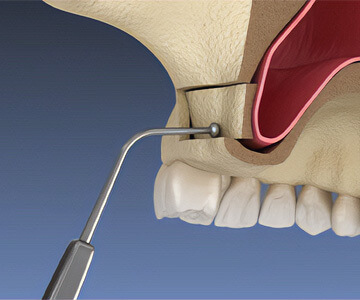
The operation is performed directly under local anesthesia, general anesthesia and anesthesia are usually not required. In the initial stage, an entrance to the upper jaw cavity is made in the oral cavity on the side wall of the upper jaw (usually above the implantation field). It is a small window made under the influence of a bur (boron) or ultrasound. Making the entrance is the most difficult and responsible job as it is important to maintain the integrity of the upper jaw mucosa.
In the next stage, special tools are used to carefully lift the mucosa, thus creating a free space under it.
In successful completion of the sinus lift operation plays a crucial role - properly selected tools and a good field of vision. It is very important to maintain the integrity of the upper jaw mucosa.
The next step is to fill the created space with osteoplastic mass. Bone, artificial bone, bio-bone, or non-bone is used for this purpose. The created window closes with a barrier membrane. The operating field is then closed and sewn.
Sinus lifting (subantral augmentation) surgery is not accompanied by various complications and mostly patients are characterized by pain in the upper jaw for several days.
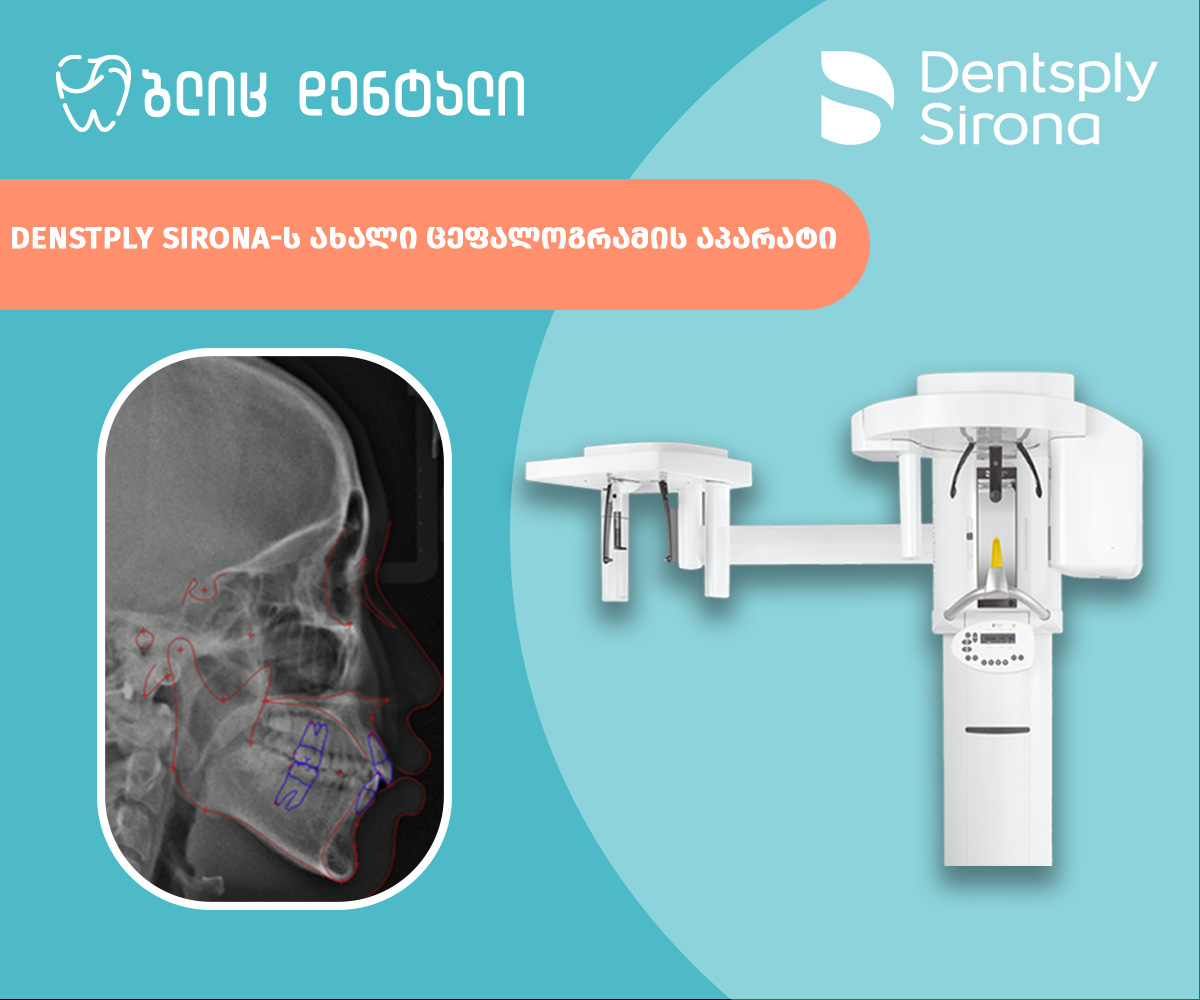
https://blitsdental.com/en/visit/consultation/blogOrthodontic treatment is not limited to straightening teeth. To achieve a beautiful, functional smile, an orthodontist needs to assess the relationship between the teeth, the upper and lower jaws, the skeletal structures of the face, and the surrounding soft tissues.

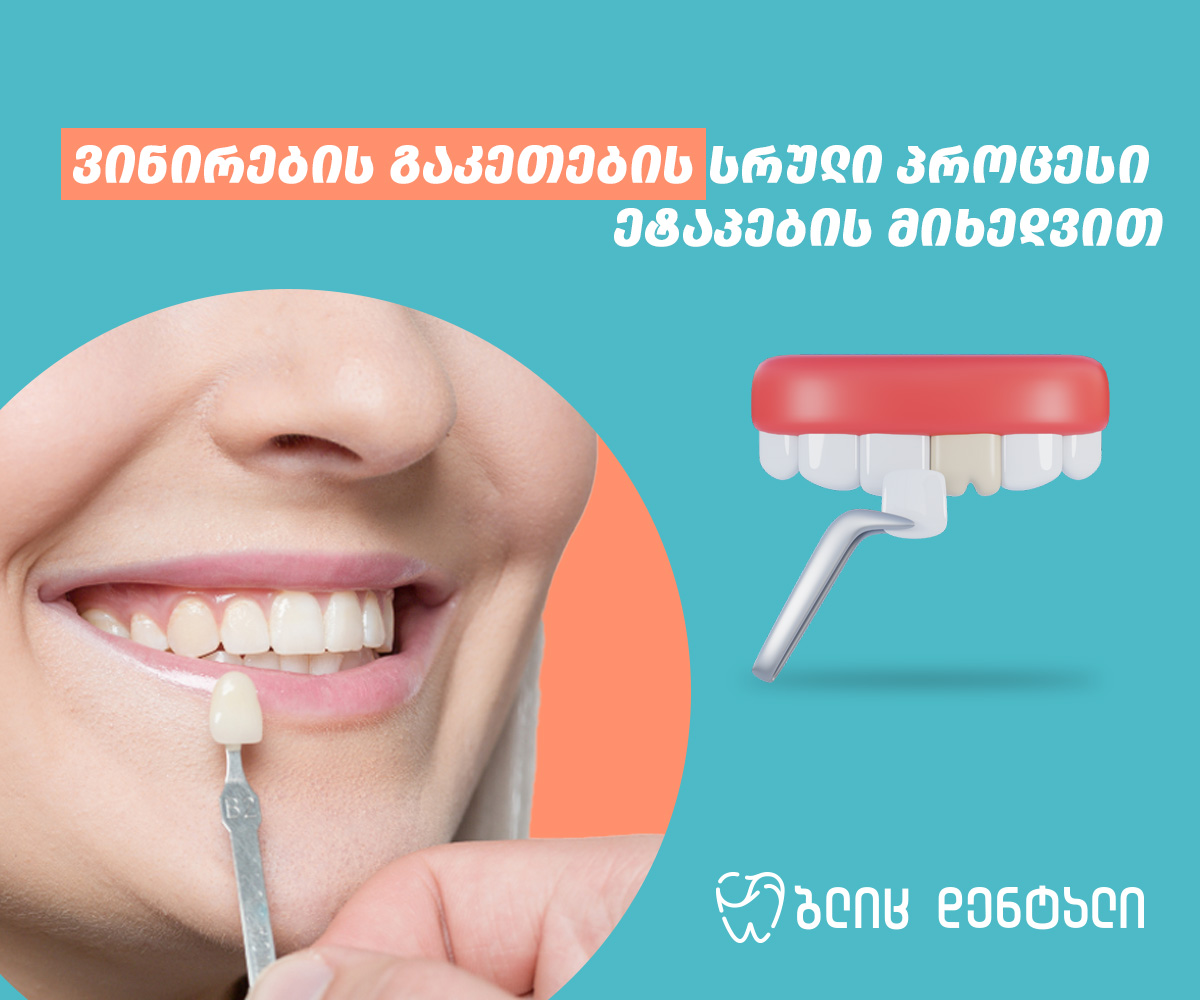

Braces are one of the most common orthodontic methods for straightening teeth and correcting bite alignment. Modern braces differ in terms of materials, appearance, and the way they work. But how do you choose the right system for you, and how long does the treatment take?
If you are planning dental treatment, summer is one of the best times for it. During the vacation season, scheduling dentist appointments is easier, allowing you to complete your treatment comfortably and on time.
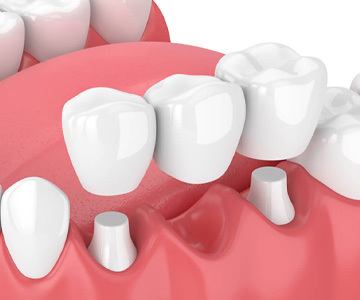
Treatment of edentulism (missing teeth) with a dental bridge is one of the most common and effective methods. A dental bridge allows for the restoration of both chewing function and smile aesthetics. It is a fixed prosthetic construction that is supported by healthy adjacent teeth and fills the space of a missing tooth. In this article, we will discuss what a dental bridge is, the types available, and how the placement process is carried out.
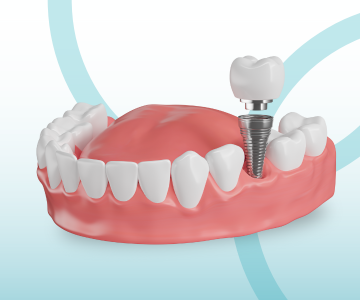
Missing teeth are no longer a problem! Dental implants offer the most advanced, durable, and natural-looking solution for restoring your smile. An implant, together with its crown, mimics a real tooth both aesthetically and functionally-helping you regain confidence, comfort, and a complete smile.

During pregnancy, hormonal changes can cause gum inflammation, bleeding, enamel erosion, and an increased risk of cavities. That’s why visiting the dentist during pregnancy is especially important.
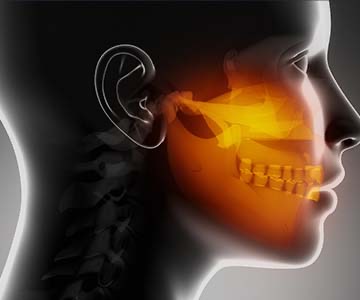
Gnathology is one of the leading branches of 21st-century dentistry. It forms the foundation for any complex dental treatment planning
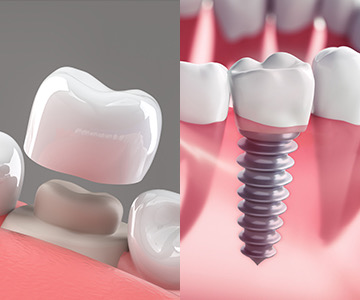
Tooth loss (edentulism) affects not only the appearance of your smile but also the overall functional health of your oral cavity
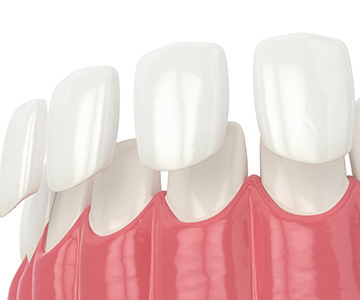
Dental veneers can be made from various materials, but ceramic (porcelain) veneers are the most widely used.
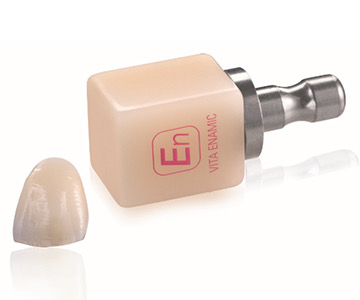
Modern aesthetic and functional dentistry is continually evolving, striving to identify restorative materials that combine exceptional strength

The eruption of baby teeth is one of the most important stages in a child’s early development.
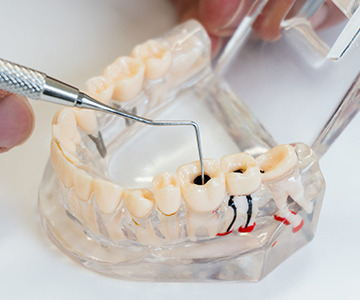
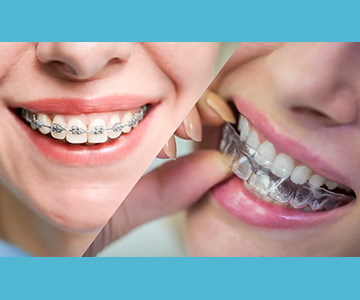
Modern dentistry increasingly emphasizes the importance of orthodontic care.

Oral health care begins long before the first permanent tooth erupts.
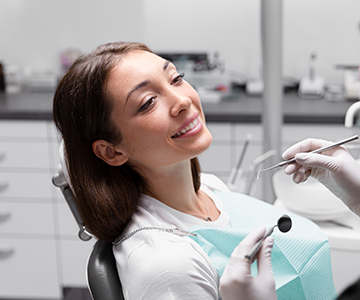
A smile is one of the key elements of a person’s visual identity. It conveys confidence and positivity. However, the beauty of a smile is not only an aesthetic factor—it is directly connected to oral health.