02 October
To book a visit, sign up for a consultation. To clarify the details, our operator will contact you.
21 September 2023
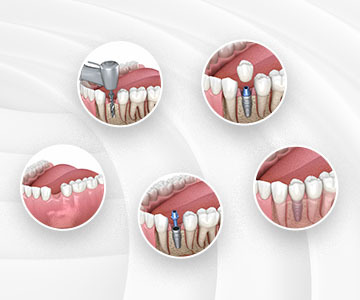
Dental implantation is the most modern and widespread method of treatment of toothlessness (adentia). The need for a dental implant arises when the patient has completely lost a tooth. This means that there is no root in the jaw bone. The implantation procedure involves placing an artificial root, i.e. a metal implant, in the patient's jawbone, on which the artificial tooth, the same crown, is subsequently fixed. Nowadays, there are many methods of filling the space left after tooth loss, however, implantation remains the most optimal option, because the implant and the artificial tooth (crown) placed on it both visually and functionally repeat the structure of a natural tooth. After the dental implant is placed in the place of the missing tooth, the difference between it and natural teeth becomes invisible to the eye.
A modern type of implant mainly consists of three parts:
Replacing a missing tooth with an implant plays an important role in maintaining the general health and hygiene of the oral cavity, because implants along with the visual effect improve the function of the maxillofacial system and prevent the accumulation of food residues in the place of the "missing tooth". At the same time, implants improve the maxillofacial system function and help restore normal chewing function.
The first stage that the patient and his doctor go through right before starting treatment is the planning stage. It is the most important step during implantation. It is necessary to evaluate the condition of the jaw bone with X-RAY (3D computer tomography) images. The thickness of the patient's jawbone and the condition of the gums should also be studied and evaluated. At the first stage, a professional implantologist must take into account the general picture of the patient's health and chronic diseases, for example, diabetes and cardiovascular diseases. All of the above factors can
The second stage - at this time, the implant is placed in the jaw bone. In order to obtain the desired aesthetic result, it is necessary for the implantologist to place the titanium artificial root in the patient's jawbone in such a way that it does not interfere with the proper development of the soft tissues around it. An artificial crown looks natural only if the gum is formed correctly. A few months after the implant is transplanted, the implant fuses with the bone. After the integration of the implant with the bone, an implant abutment is placed on it, which connects the artificial crown to the metal root;
The final third stage involves placing an artificial crown on the abutment, which fully replicates the visual characteristics of the patient's teeth, and the difference between it and the patient's natural tooth is completely imperceptible to the naked eye.
The spaces in the jawbone caused by the loss of a tooth or teeth disrupt the integrity of the tooth row, which in turn damages a healthy tooth. Along with this, many functional and aesthetic disorders appear in the course of time. For example, such as: formation of secondary deformations, bone loosening and chewing function disturbance, i.e. uneven distribution of chewing force. In order not to get to the above-mentioned problems after the loss of a tooth, it is necessary to visit a dentist in time, get a correct diagnosis and receive appropriate treatment.
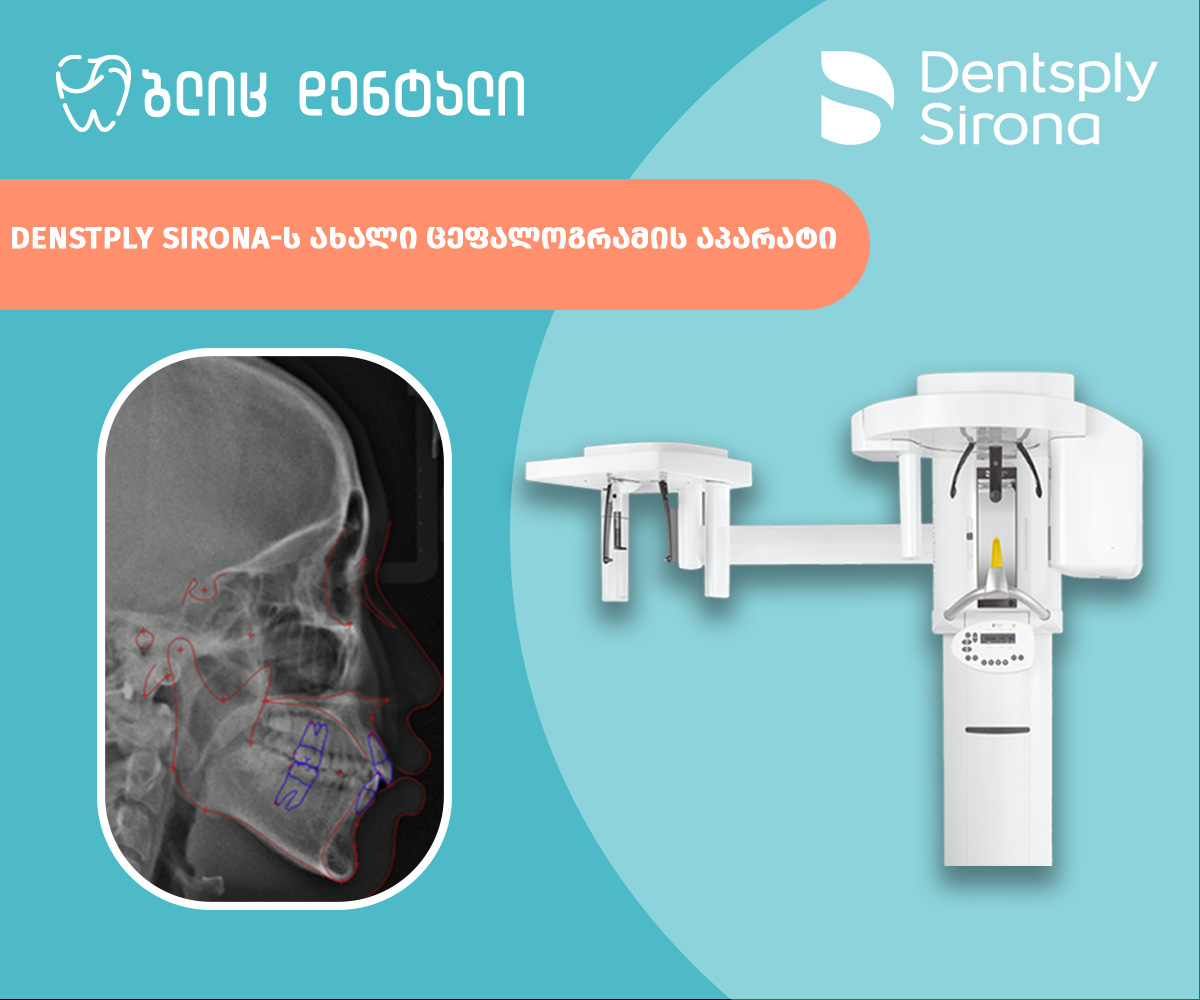
"Blits Dental - Kakhaber Kharebava Dental Clinic" (Vera, Kuchishvili St. 11) is a strategic partner of Dentsply Sirona. Dentsply Sirona is one of the most trusted manufacturers of professional dental equipment in the world. "Blits Dental - Kakhaber Kharebava Dental Clinic" and the laboratory are equipped with equipment and medical materials manufactured by Dentsply Sirona. In our clinic, you will find a calm, comfortable environment fully adapted to your needs and a team of professional doctors who will help you solve all problems related to the oral cavity. Our team's main goal is to enable patients to enjoy a beautiful, healthy smile.
https://blitsdental.com/en/visit/consultation/blogOrthodontic treatment is not limited to straightening teeth. To achieve a beautiful, functional smile, an orthodontist needs to assess the relationship between the teeth, the upper and lower jaws, the skeletal structures of the face, and the surrounding soft tissues.

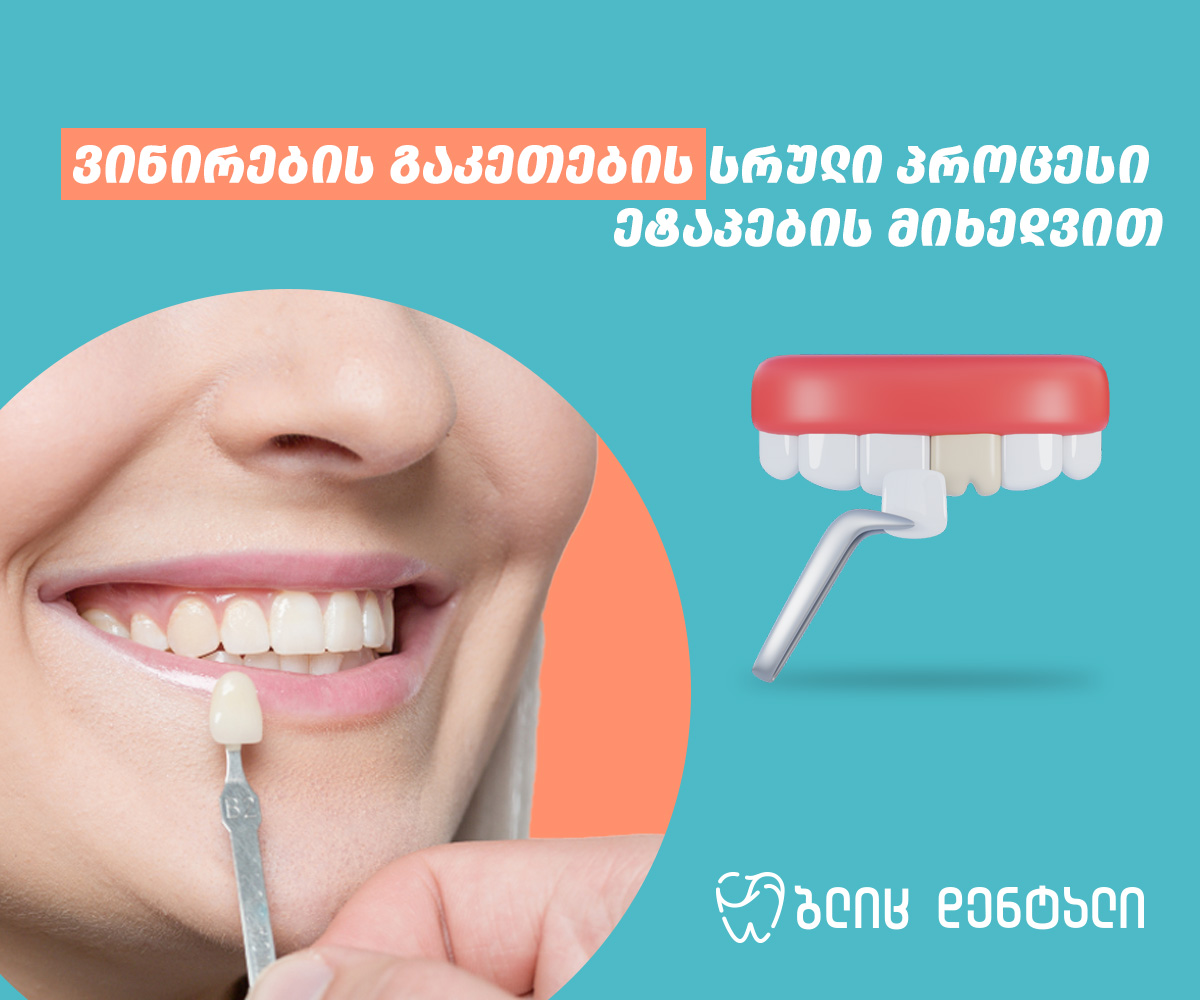

Braces are one of the most common orthodontic methods for straightening teeth and correcting bite alignment. Modern braces differ in terms of materials, appearance, and the way they work. But how do you choose the right system for you, and how long does the treatment take?
If you are planning dental treatment, summer is one of the best times for it. During the vacation season, scheduling dentist appointments is easier, allowing you to complete your treatment comfortably and on time.
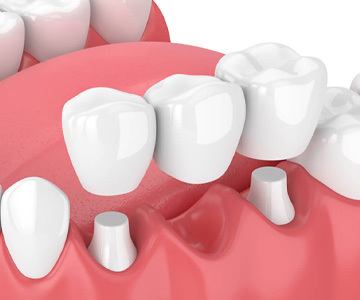
Treatment of edentulism (missing teeth) with a dental bridge is one of the most common and effective methods. A dental bridge allows for the restoration of both chewing function and smile aesthetics. It is a fixed prosthetic construction that is supported by healthy adjacent teeth and fills the space of a missing tooth. In this article, we will discuss what a dental bridge is, the types available, and how the placement process is carried out.
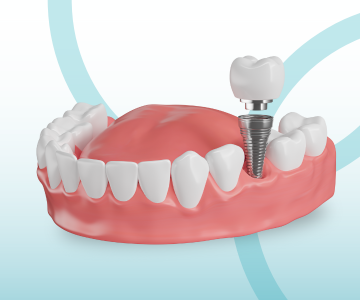
Missing teeth are no longer a problem! Dental implants offer the most advanced, durable, and natural-looking solution for restoring your smile. An implant, together with its crown, mimics a real tooth both aesthetically and functionally-helping you regain confidence, comfort, and a complete smile.

During pregnancy, hormonal changes can cause gum inflammation, bleeding, enamel erosion, and an increased risk of cavities. That’s why visiting the dentist during pregnancy is especially important.
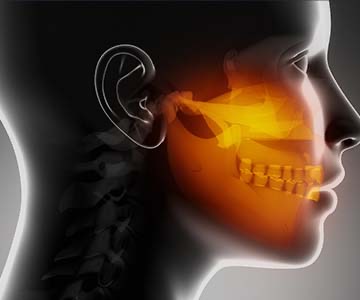
Gnathology is one of the leading branches of 21st-century dentistry. It forms the foundation for any complex dental treatment planning
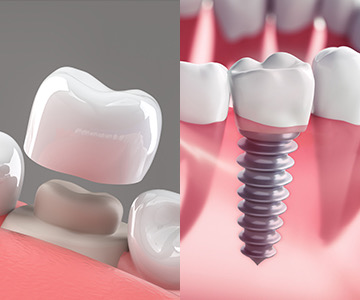
Tooth loss (edentulism) affects not only the appearance of your smile but also the overall functional health of your oral cavity
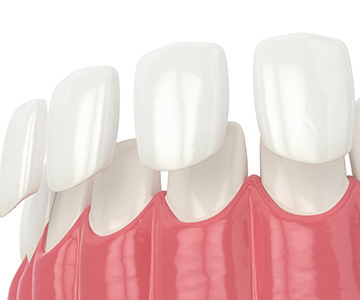
Dental veneers can be made from various materials, but ceramic (porcelain) veneers are the most widely used.
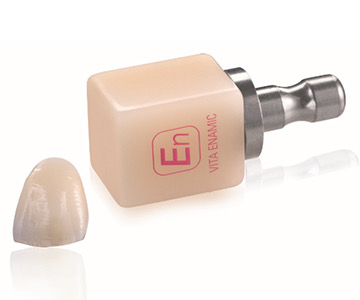
Modern aesthetic and functional dentistry is continually evolving, striving to identify restorative materials that combine exceptional strength

The eruption of baby teeth is one of the most important stages in a child’s early development.
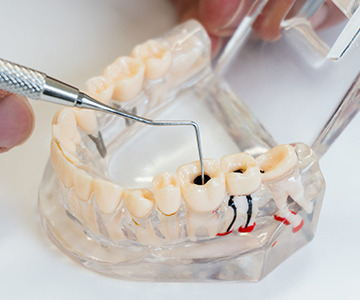
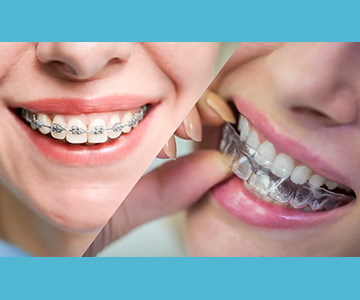
Modern dentistry increasingly emphasizes the importance of orthodontic care.

Oral health care begins long before the first permanent tooth erupts.
A smile is one of the key elements of a person’s visual identity. It conveys confidence and positivity. However, the beauty of a smile is not only an aesthetic factor—it is directly connected to oral health.