Dental Diseases That Are
04 April 2024
Today, the team of "Blits Dental - Kakhaber Kharebavs Clinic" would like to talk to you about two dental diseases, which are relatively painless at the initial stage, and the patient pays attention to them only when the disease is quite severe. Unfortunately, in our country, a large part of the society turns to the dentist only when they feel pain or discomfort. This attitude is wrong. Delayed treatment means greater discomfort, time and costs for the Patients. Dentists often refer to inflammation of the gums and recession of the gums as "unnoticeable" diseases, because both diseases are painless for the patient at the initial stage. This is why it is especially important for patients to understand the benefits of early detection of any dental disease. Early treatment is directly proportional to solving the problem in a short time, with as little pain and discomfort as possible.
What Is Inflammation Of The Gums?
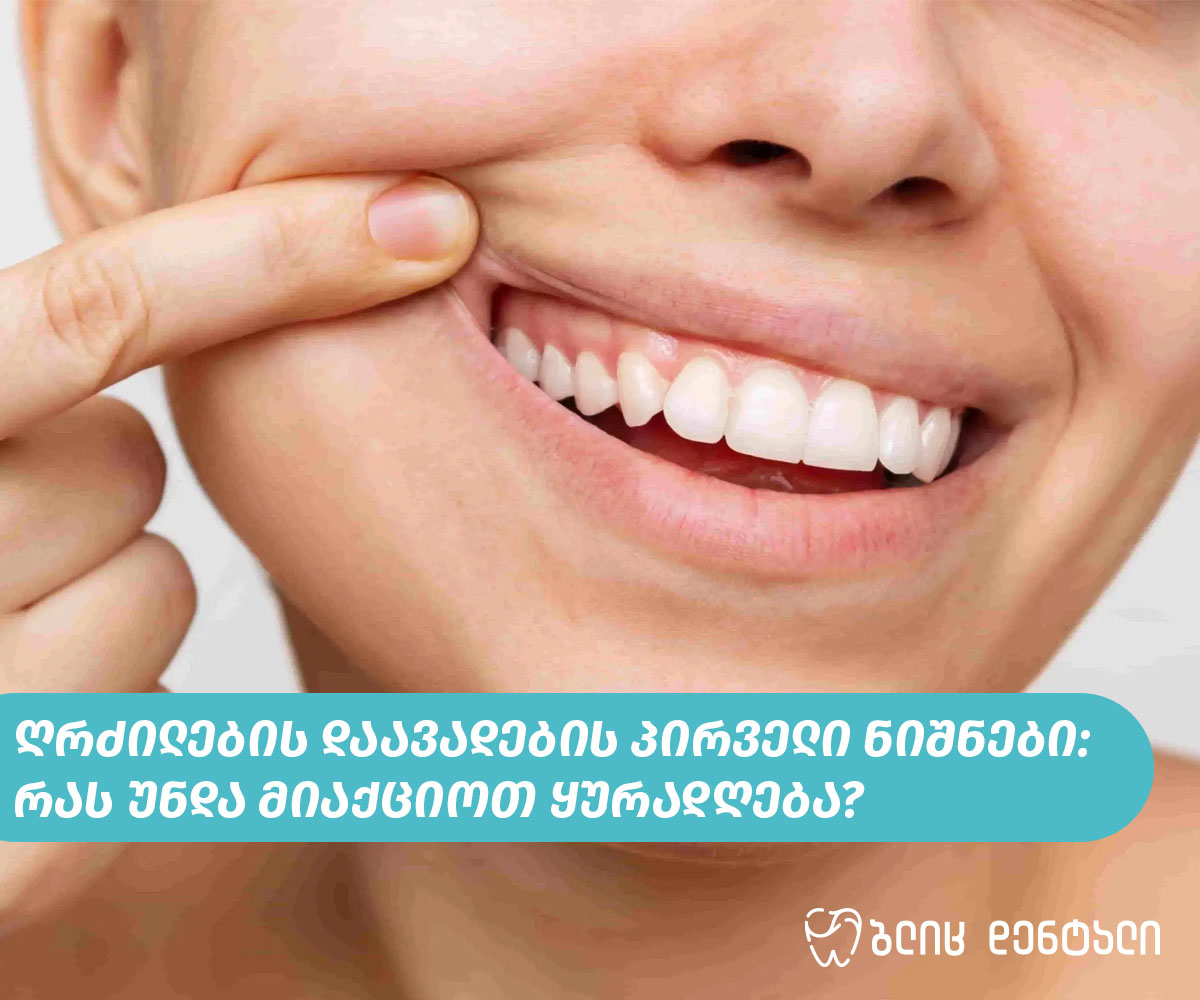
Gingivitis is a chronic inflammatory disease of the soft tissues surrounding the tooth, which may lead to adentia (tooth loss) if delayed treatment. Periodontal diseases are one of the most widespread diseases in the world, affecting 7 out of 10 adults. Almost all adults know what gingivitis is and how it manifests itself, however, few people know about the causes and ways to prevent it - plaque and stones that accumulate under the gum and are invisible to the eye cause gingivitis over time. Red gums, loose teeth and bad breath are all symptoms of an aggravated case of gingivitis. At this time, the patient is already suffering from pain and discomfort in everyday life. That is why it is especially important to recognize and treat inflammation of the gums at the first stage, when it is completely asymptomatic and the disease is the easiest to cure... . That is why "Blits Dental - Kakhaber Kharebava Clinic" recommends that you definitely plan a visit to your dentist at least once every 6 months, regardless of whether you have any complaints or not. A professional dentist will assess the clinical picture of your oral cavity and, if necessary, plan a course of preventive treatment, which will solve the problems related to the oral cavity as painlessly as possible in a short period of time.
What Is A Gingival Recession?
In modern dentistry, there are many such clinical cases where the main problem of the patient is receding gum tissue or gum recession. The process of gum recession involves the gradual lifting of the gum and the exposure of the root. Gradually, the gum tissue no longer covers the root of the tooth, which, in turn, visually makes the tooth appear longer and unaesthetic. Gingival recession is a fairly common disease in both young and middle-aged patients. At first, this problem develops slowly and painlessly, often, the patient does not even know that there are receding gums, and the visual problem manifests itself only at the last stage. As for the primary symptoms, the first sign of recession can be increased sensitivity of the tooth, as well as visually changes in the shape of the teeth. The causes of gum recession are quite diverse and mainly depend on the individual characteristics of the patient's oral cavity. Some people are genetically predisposed to having thin gums, which makes them more prone to recession. If you have naturally thin and weak gums, it is especially important to maintain your oral health by scheduling frequent dental visits and using toothpastes and mouthwashes that will strengthen and heal your gums and prevent future complications.
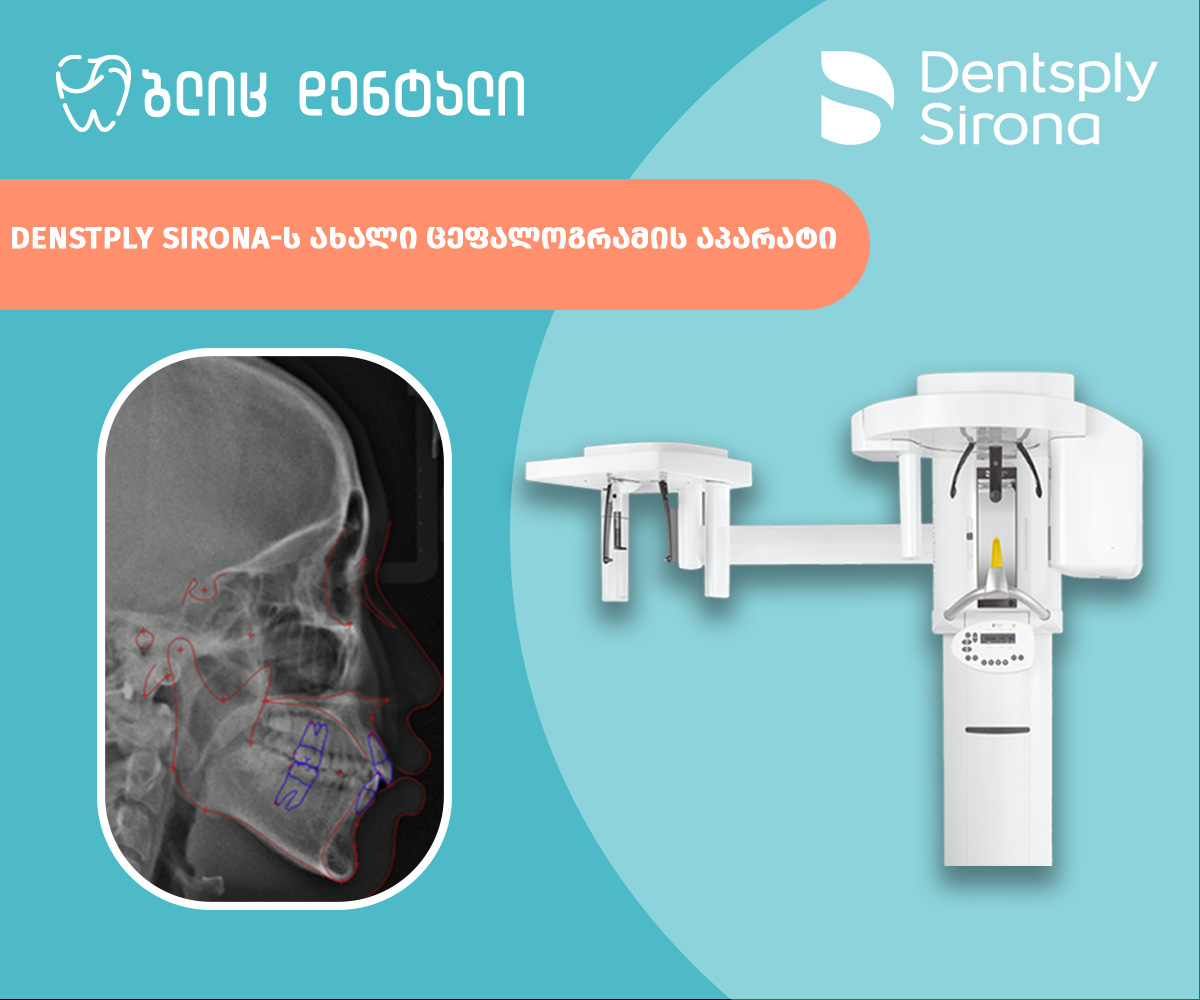
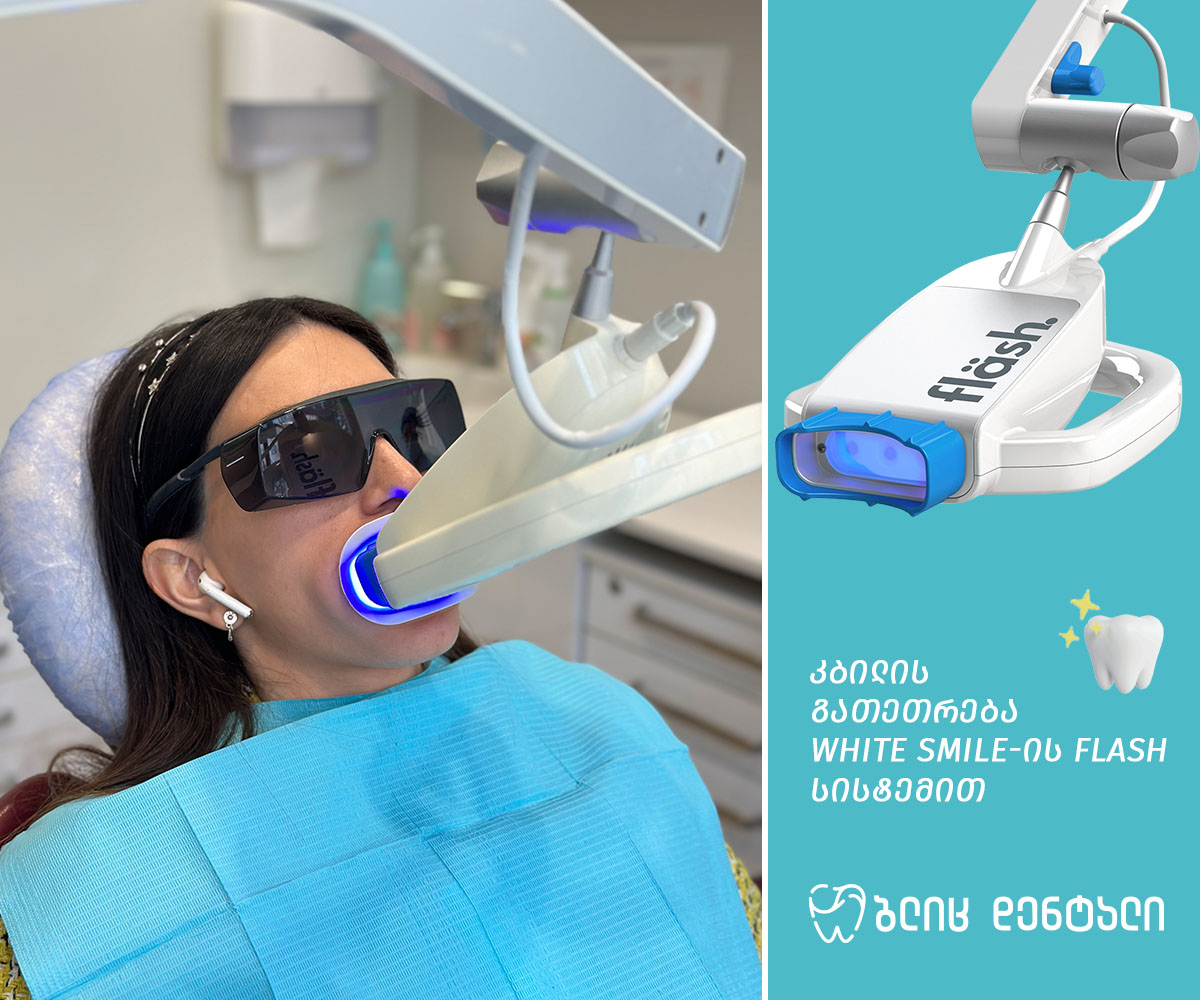
"Blits Dental - Kakhaber Kharebava Clinic" is the leading dental clinic in Transcaucasia in terms of quality and speed of dental services. In our clinic, patients have the opportunity to receive digital dental services that meet modern standards. Along with this, at "Blits Dental - Kakhaber Kharebava Clinic" patients have the opportunity to use a convenient payment schedule.
To get detailed information, sign up for a consultation or contact us at (+995) 322 22 15 16