Restoration of Bone Tissue - Sinus Lifting
18 July 2024
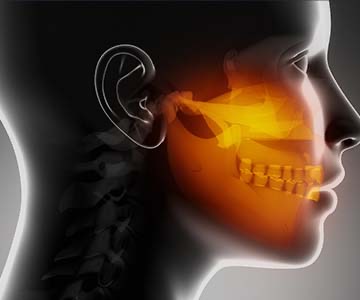
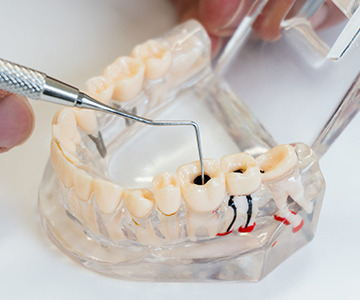
Restoring bone tissue in the oral cavity, known as subantral augmentation, is a common dental procedure primarily used as a preparatory step for dental implants. Sinus lifting is a bone-grafting surgery designed to create sufficient bone volume in the implantation area.
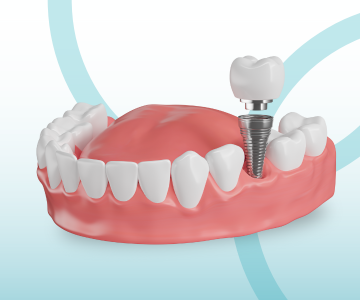
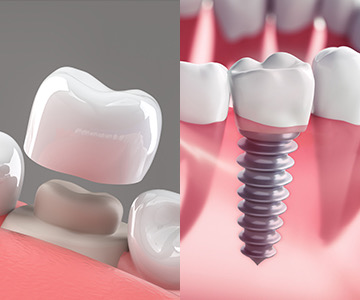
A dental implant involves inserting an artificial tooth to replace a missing one. This artificial tooth mimics the structure of a natural tooth, fully restoring both chewing function and visual aesthetics. During implantation, an implant is placed into the jawbone where the missing or extracted tooth was, acting as a tooth root. Over time, bone volume can decrease, necessitating additional hard tissue to support the implant. Nearly one in three patients requiring an implant in the upper jaw's lateral segment also need bone tissue restoration (sinus lifting), often due to individual anatomical features of the jaw and face. Bone tissue restoration may also be required for patients with periodontal diseases. Periodontitis, an inflammatory gum disease, often goes unnoticed in its initial stages. As it progresses, it can severely affect the jawbone. Receding gums expose the tooth root and surrounding bone, making them vulnerable to environmental factors. Surgical intervention is needed to restore bone and gum tissue in such cases.
Sinus Lifting Surgery
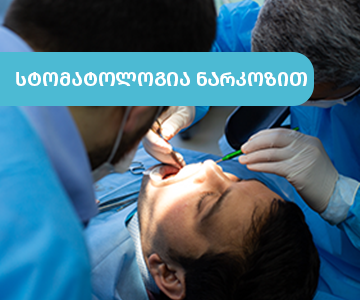
There are two primary methods for restoring bone tissue: using artificial bone material or autotransplantation, where bone from another part of the patient's jaw is transplanted. Post-surgery, the transplanted bone integrates with the existing bone over several months. If only a small amount of bone is needed, the implant can be placed on the same day. The surgery is performed under local anesthesia.
Initially, a small "window" is created on the side of the upper jaw to allow access to the upper jaw cavity using specialized tools. This opening is made using either a bur or ultrasound, and maintaining the integrity of the maxillary sinus mucosa is crucial. Next, the mucous membrane is lifted to create a working area. The choice of tools, a clear field of vision, and the surgeon's skill are critical for the successful completion of the sinus lifting.
Depending on the restoration method, the created space is later filled with either an osteoplastic (artificial bone) mass or natural bone from the patient's oral cavity. Finally, the window is sealed with a barrier membrane, and the area is closed and sutured. Post-surgery, patients typically experience jaw pain for several days. Adhering to the doctor's recommendations, using appropriate dressings, and taking antibiotics ensure a smooth healing process. Rehabilitation lasts several days under medical supervision.
The professional team at Blits Dental - Kakhaber Kharebava Clinic is dedicated to helping you achieve your ideal smile. To book a consultation, contact us at (+995) 322 22 15 16