02 March
To book a visit, sign up for a consultation. To clarify the details, our operator will contact you.
10 August 2022
According to the latest research from the American Dental Association, periodontitis (inflammation of the gums) has become one of the most common inflammatory diseases in the last decade, affecting about eight out of every ten people.
Pathological looseness of teeth is the most common symptom of periodontal inflammation and may lead to tooth loss if left untreated. In the difficult stages of periodontitis disease (during an irreversible inflammatory process), the hard tissues of the patient's mouth (bone mass) are damaged, accordingly, the teeth no longer have a support and the fixation in the mouth occurs only at the expense of soft tissues (gums).
Strengthening the loose teeth by the shinier method allows us to avoid the looseness of the teeth and the risk of losing them even under slight pressure.
In addition to periodontal inflammation, the cause of tooth decay can also be periodontitis - which is an inflammatory process around the root of the tooth.
There are various causes of periodontitis. It can be:
During periodontitis, an inflammatory process begins at the apex of the root of one specific tooth, which then spreads to the entire tooth. As a result, the entire bone around a specific diseased tooth becomes diseased and begins to loosen, and the tooth is loose. Such severe cases are quite rare in clinical practice, because with the development of the inflammatory process, the patient suffers from pain, and because of this he is forced to consult a specialist.
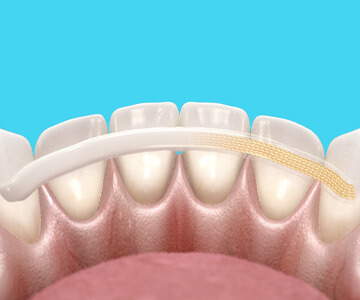
Splinting - is the uniting of adjacent teeth into one block. Doctors, using a special fixation material and metal or fiberglass tape, attach the impacted teeth to a relatively hard and/or healthy tooth and maintain the general stability of the tooth row. After splinting, the chewing process becomes easier for the patient, because the stress is evenly distributed on the teeth, and one specific tooth no longer does the whole "work".
We would like to answer the main questions that patients often have when it comes to dental splinting.
Taking into account that the primary load during chewing always falls on the front teeth, it is the front teeth of the upper and lower jaws that are the most vulnerable group. procedure of dental splinting is applied on the front (lower or upper jaw) teeth Is dental splinting permanent?
This is most often done by crowning the affected teeth and creating a splint that is placed over the crowns and cemented to the teeth themselves. This keeps them locked in place and makes them more durable and stable and it is a permanent fix that essentially turns two or more teeth into one structure.
Dental splinting is quite a simple procedure and the patient gets the result within 1 visit. The direct installation process lasts from 15 to 30 minutes.
Dental splinting is a less invasive procedure, which means that the chance of damaging the tooth enamel is minimized. During the procedure, the doctor does not use a so-called "drill" and works with the most delicate dental instruments.
As we have already mentioned, dental splinting is a less invasive procedure, therefore the patient does not feel discomfort.
"Blits Dental Kakhaber Kharebava" dental clinic recommends that you consult a doctor every two to three months after the splinting procedure and perform a professional teeth cleaning, because oral hygiene is at risk when any splinting construction is attached to the tooth. In case of improper care, various inflammatory diseases may be provoked and oral health may get worse.
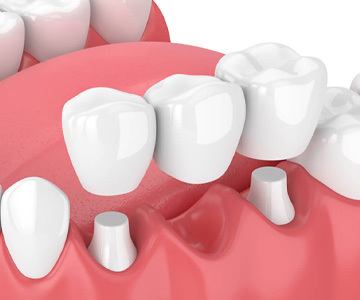
Treatment of edentulism (missing teeth) with a dental bridge is one of the most common and effective methods. A dental bridge allows for the restoration of both chewing function and smile aesthetics. It is a fixed prosthetic construction that is supported by healthy adjacent teeth and fills the space of a missing tooth. In this article, we will discuss what a dental bridge is, the types available, and how the placement process is carried out.
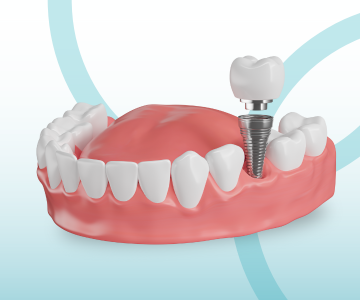
Missing teeth are no longer a problem! Dental implants offer the most advanced, durable, and natural-looking solution for restoring your smile. An implant, together with its crown, mimics a real tooth both aesthetically and functionally-helping you regain confidence, comfort, and a complete smile.
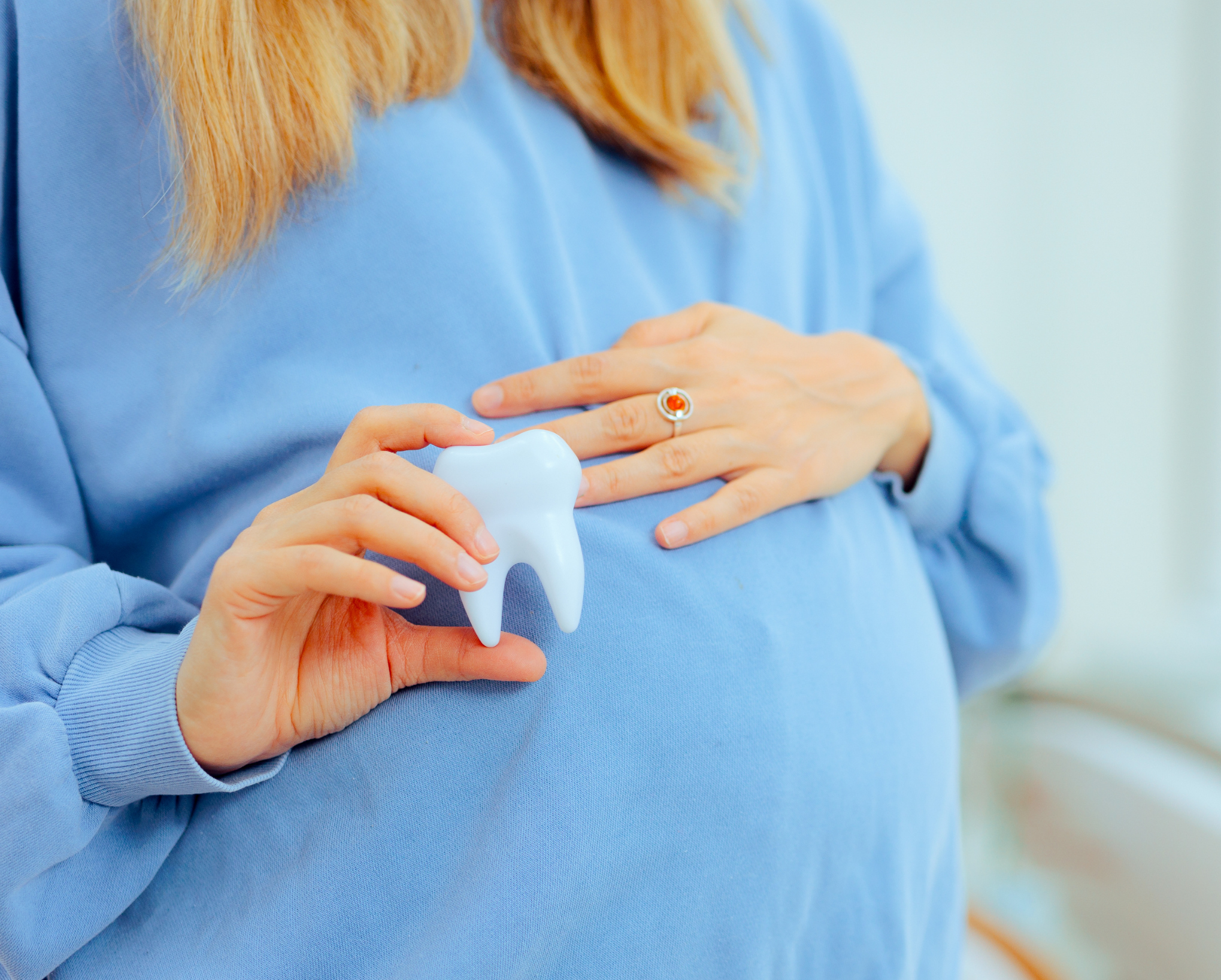
During pregnancy, hormonal changes can cause gum inflammation, bleeding, enamel erosion, and an increased risk of cavities. That’s why visiting the dentist during pregnancy is especially important.
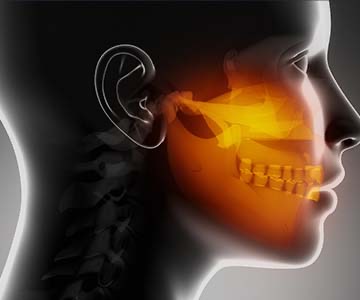
Gnathology is one of the leading branches of 21st-century dentistry. It forms the foundation for any complex dental treatment planning
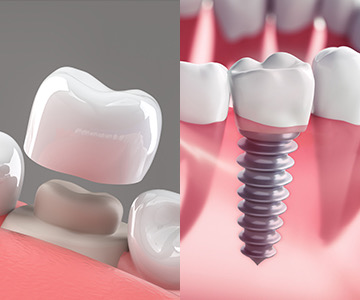
Tooth loss (edentulism) affects not only the appearance of your smile but also the overall functional health of your oral cavity
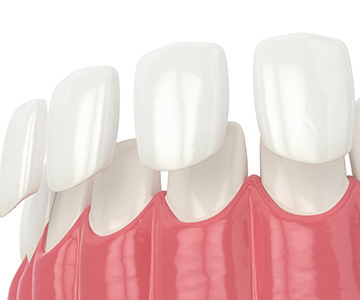
Dental veneers can be made from various materials, but ceramic (porcelain) veneers are the most widely used.
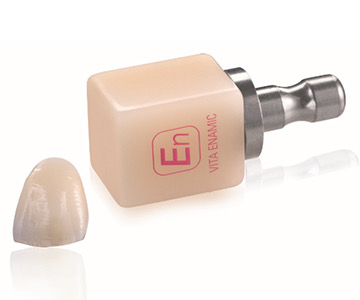
Modern aesthetic and functional dentistry is continually evolving, striving to identify restorative materials that combine exceptional strength

The eruption of baby teeth is one of the most important stages in a child’s early development.
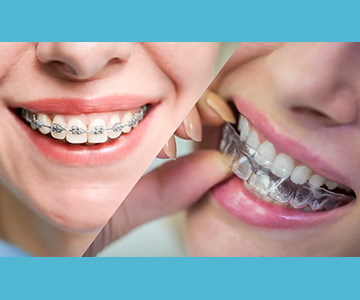
Modern dentistry increasingly emphasizes the importance of orthodontic care.
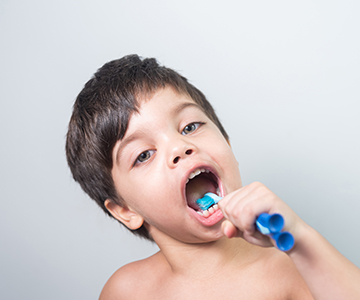
Oral health care begins long before the first permanent tooth erupts.
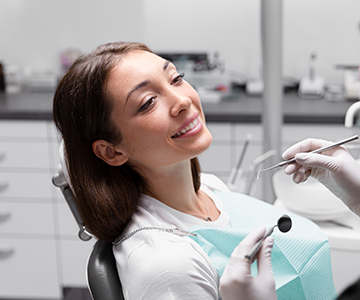
A smile is one of the key elements of a person’s visual identity. It conveys confidence and positivity. However, the beauty of a smile is not only an aesthetic factor—it is directly connected to oral health.
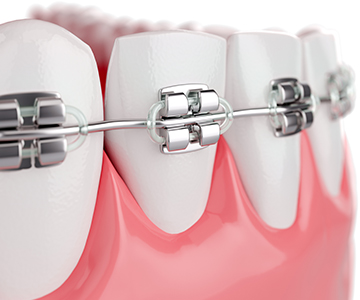
Orthodontic treatment has long gone beyond the limits of traditional metal braces.
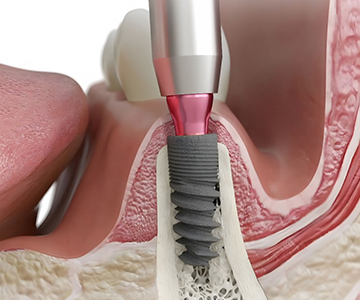
Dental implantation is the best method for restoring missing teeth. However, for the procedure to be successful, the jawbone must have sufficient volume and density.
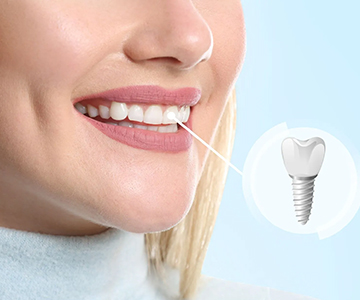
Dental implantation is one of the most effective and safest surgical procedures in modern dentistry for restoring missing teeth.
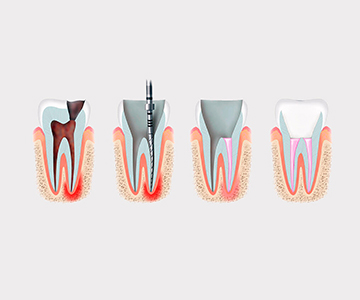
Initial endodontic (root canal) treatment is usually successful and helps preserve the natural tooth.
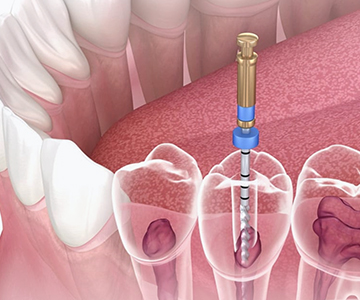
Root canal treatment, also known as endodontic therapy, is one of the most frequently discussed yet often misunderstood dental procedures.
.jpeg)
Tooth decay is one of the most common dental conditions, involving damage to the hard tissues of the teeth
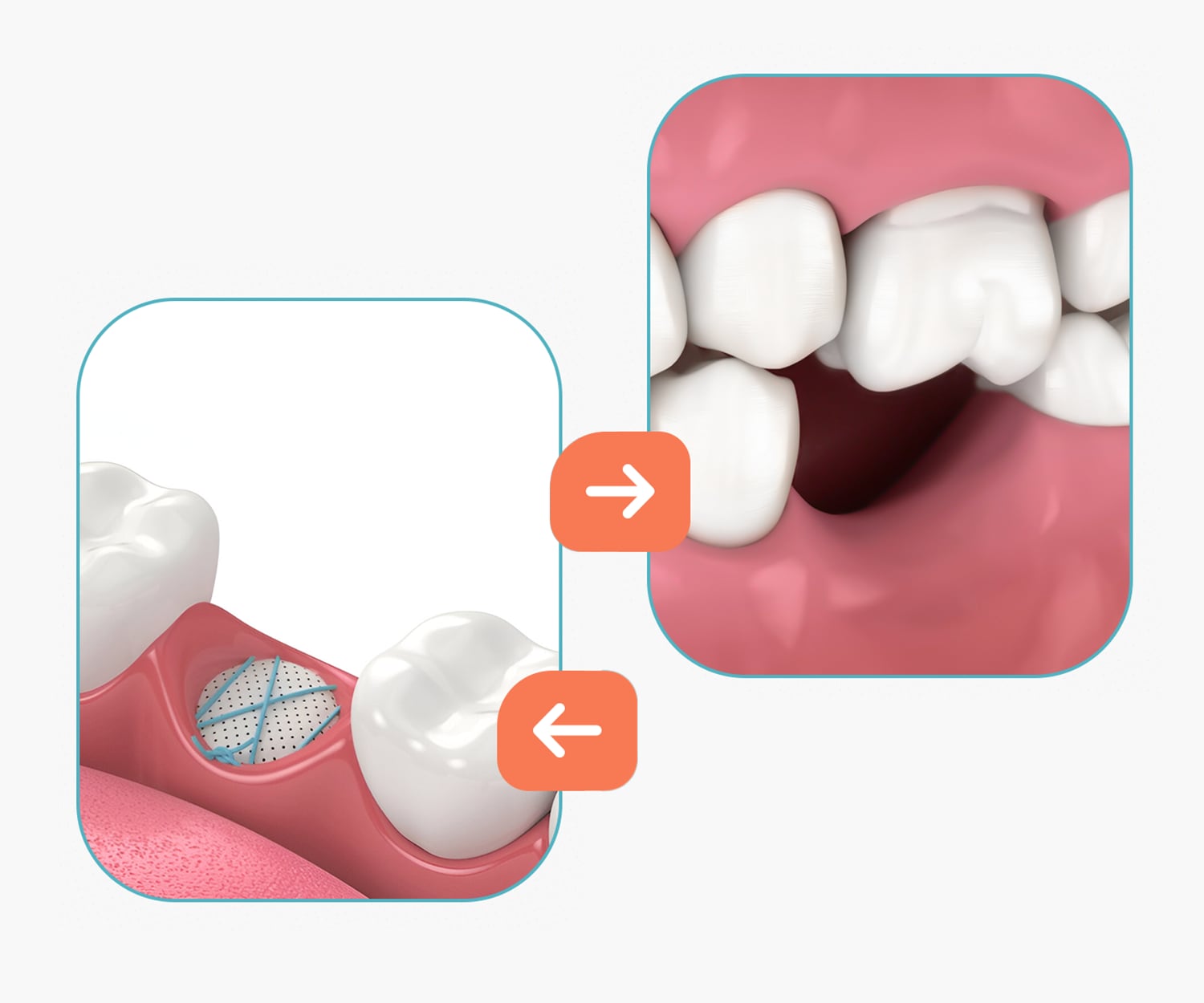
Modern dentistry is constantly evolving, offering improved methods for solving complex issues.